Common Problems with Book Lights and Effective Solutions
Even the best book lights can encounter issues. Here are some common problems and their solutions:
Short Battery Life: If the battery drains quickly, consider using a rechargeable model with a higher-capacity battery. Users should also check for settings that may be consuming more power, such as excessive brightness.
Inconsistent Brightness: Flickering or inconsistent brightness may indicate a faulty connection or a dying battery. Troubleshooting connections and replacing batteries can often resolve this issue.
Clamp Damage: If the clamp becomes damaged or doesn’t hold securely, examine the mechanism for wear. Replacement clamps may be available, or it may be necessary to consider a new model.
Heat Generation: If the lamp gets unusually hot, it may indicate an overheating issue. Ensure the bulb type is appropriate for the design and consider switching to LED options, which generate less heat.
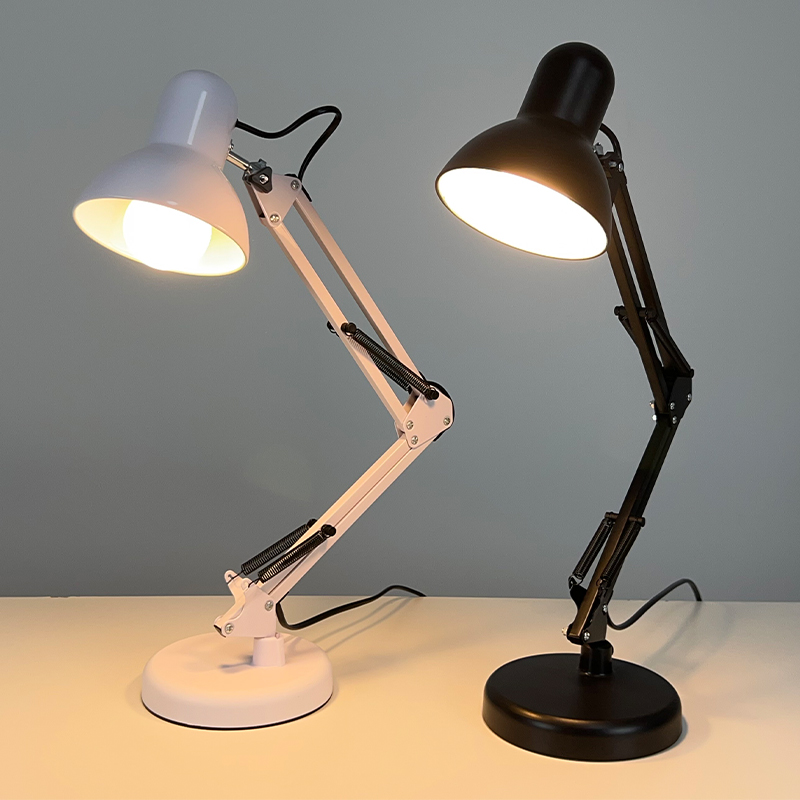
Limited Range of Motion: If the light does not adjust or bend as needed, check for any obstructions that may be preventing movement. Regularly lubricating flexible joints can also enhance their functionality.
By addressing these common problems proactively, users can ensure their book lights remain effective and enjoyable for reading in bed.
By understanding the critical aspects of selecting and using book lights, purchasing managers and distributors can make informed decisions that enhance the reading experience for their customers. With careful consideration of specifications, cost factors, and installation tips, buyers can confidently invest in the best book lights for reading in bed.
 EN