Best Desk Light: Key Factors for Optimal Selection

application/best-desk-light, application/best-desk-light, 
Inquiry
Inquiry

best desk light

When selecting the  best  desk  light for  your  workspace, understanding  your  specific needs and  the  product's specifications is crucial. Desk lights are essential  for enhancing  visibility, reducing eye  strain, and  creating a productive work  environment. This article  will  address key buyer  concerns such as optimal selection  criteria, specifications, installation guidance,  and materials  to help you make an informed purchasing decision.

Comparing Desk Light Specifications for Optimal Selection

To select the best desk light, buyers  must delve into specific  technical specifications. Key specifications include:

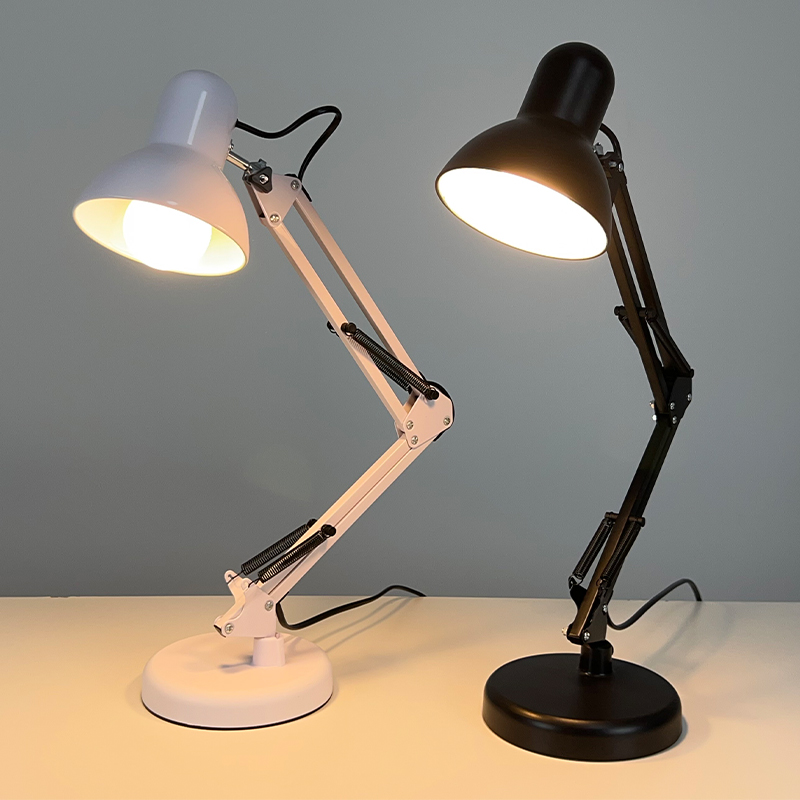
Wattage: Indicates energy consumption. Lower wattage can mean greater  energy savings. Lumens: This measures the brightness output. For office  work, lights with  500 to 1000  lumens are  generally recommended. Color Rendering Index (CRI): A  CRI above 80 ensures  that colors appear  more vivid and true to life, which is important  in design and art-focused tasks. Adjustability: Features like flexible  necks or adjustable arms  enhance  usability,  allowing  users to direct light where it's needed most.

Understanding these specifications  will help  you assess  whether a desk light meets your application needs and workspace  requirements.

What to Look for in Desk Lights

When sourcing desk lights,  consider  essential  features that enhance functionality:

Dimming Options: Look  for models  that offer dimming capabilities. This allows users to adjust  brightness based on the task at hand, improving comfort and reducing glare.

USB Ports: Some  modern desk lights come with integrated USB ports, enabling you to  charge devices while working. This  feature adds convenience  and reduces clutter on your desk.

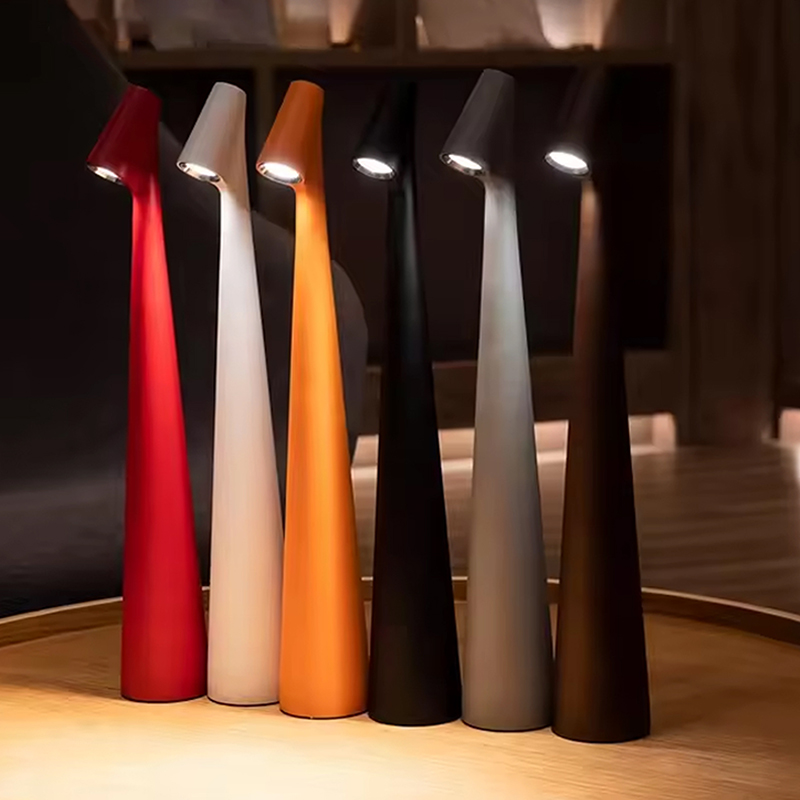
Design and Aesthetics: A desk  light  should  complement your workspace. Look for styles that not only serve a functional purpose but also enhance the overall aesthetic  of your office.

Durability and Construction: Materials used in construction affect longevity. Metal and  high-quality plastics often provide better durability than cheaper alternatives,  ensuring  that the light withstands  everyday use.

Certifications: Ensure that the desk light complies with  safety and  quality standards, such as CE or UL certifications. This guarantees that the product has undergone rigorous testing.

Installation Guidance for Efficient Desk Light Setup

Proper installation of desk lights is crucial for maximizing  performance and ensuring user safety.  Here are some  practical tips:


Placement: Position the desk light at an  angle to  avoid direct glare on screens.  Ideally, it  should be placed to  the side of your dominant hand  to minimize shadows  when writing or drawing.

Height and Orientation: The ideal height for a desk  light is  around 15-30 inches above the surface, depending on the design. Ensure that  the light can be adjusted to direct illumination where needed most.


Power Source:  If the desk light is not battery-operated, ensure that it's placed near an electrical outlet or consider using  extension cords safely to avoid tripping hazards.

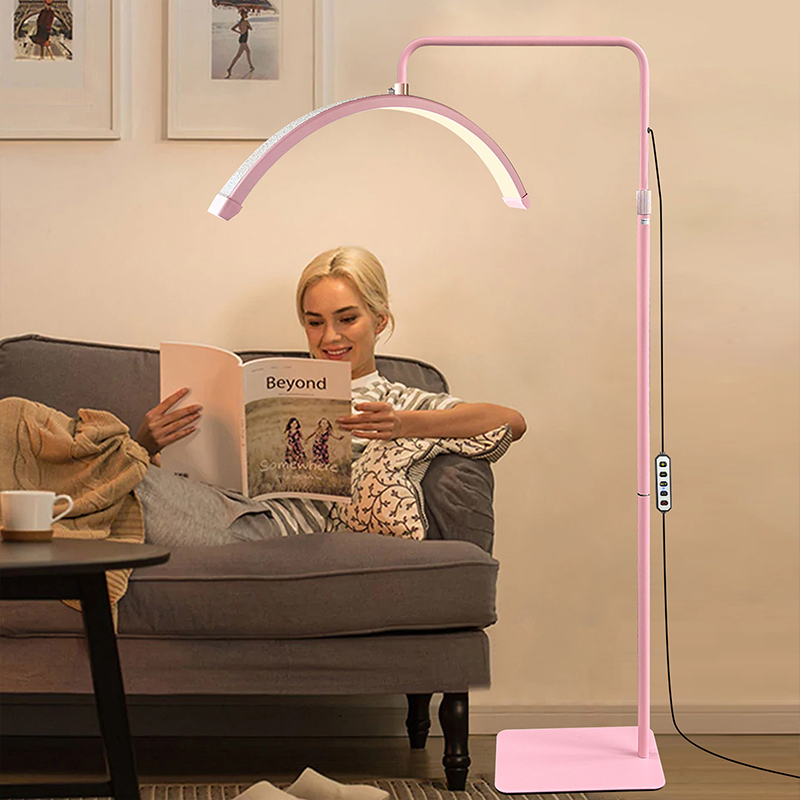
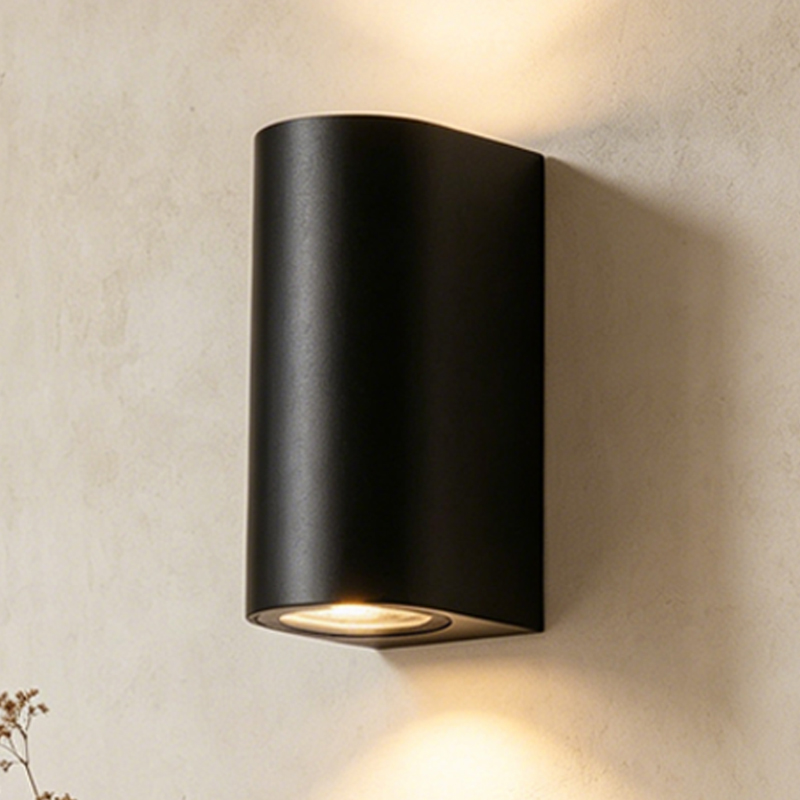
Use of Mounts: Consider using clamps  or mounts for floor lamps or lights with flexible arms to save desk space and enhance adjustability.  Additionally, integrating lights like the Waterproof Wall Light can provide added functionality in your workspace.

By following these installation tips, you can create  a  workspace that maximizes both functionality and comfort.

Materials that Enhance Desk Light Performance

The choice of materials in desk lights can  significantly influence both performance and aesthetics. Here are some  common  materials used in the manufacturing of desk lights:

Aluminum: Lightweight and durable,  aluminum is often used for lamp bodies and arms.  It dissipates heat effectively, prolonging the lifespan of the LED components.

Plastic: High-quality plastics are often used  in less expensive models. Look for polycarbonate or ABS plastics, which offer good durability and  impact resistance.

Glass: Glass shades can enhance the aesthetics of a desk  lamp while providing even light distribution. However, they can be heavier and  more fragile compared  to plastic alternatives.

Wood: Wooden bases or accents can add a touch of  elegance to a desk lamp. Ensure the wood is treated to resist wear  and maintain its appearance  over time.

When evaluating materials, consider not just aesthetics but also how they align with your operational environment.  For instance, materials that can  withstand high humidity or temperature fluctuations may be necessary  for specific applications.


By focusing on these aspects,  you can ensure that the desk light you choose enhances both your workspace's functionality  and its overall design. Understanding these factors is vital  for making an informed procurement decision that aligns with your operational needs.

Key Factors to Consider

When evaluating desk  lights,  several factors can influence your choice. First, consider the  brightness level. Measured in lumens, a higher lumens count indicates a brighter light, which is vital for tasks requiring precision.  Additionally, adjustable brightness settings can accommodate various activities, from  reading to detailed engineering work.

Another key consideration is color  temperature, measured in Kelvins (K). Warmer  light (around 3000K) is suitable for  relaxing environments, while cooler light (5000K or  higher) mimics daylight and enhances focus. The ability to change color  temperature can  also improve user comfort and productivity.

Finally, energy efficiency  is paramount. Look for LED desk lights, which consume significantly less  energy and have a longer lifespan than traditional  incandescent bulbs.  This  not  only reduces operational costs  but also aligns  with  sustainability goals.

Frequently Asked Questions

What features make this the best desk light?

Our desk light offers adjustable brightness, color temperature settings, energy-efficient LED, and a stable, glare-free design for comfortable task lighting and eye protection.
Yes. We hold CE, UL, and ERP certifications and operate under TUV/BSCI management to ensure compliant, high-quality lighting products.
Yes. The light's adjustable settings and sleek design make it ideal for both office desks and home study areas, providing focused or ambient illumination.
We provide manufacturer warranty and responsive after-sales support for replacements or technical assistance. Contact our customer service for specific warranty terms.
Yes. We supply compliant lighting solutions for global retailers and accept bulk orders. Contact our sales team for pricing, lead times, and customization options.

Get a Free Quote

Our representative will contact you soon.
0/1000