Key Specifications for Office Desk Lamps

application/desk-lamps-for-office, application/desk-lamps-for-office, 
Inquiry
Inquiry

desk lamps for office

Desk lamps for office use  are essential  tools that enhance  productivity and  create a comfortable  working environment. As a B2B buyer, your main concerns  will likely revolve around  product quality, compliance  with  safety  standards,  and  supplier reliability.  This article will provide insights  into the key specifications  you should consider when sourcing desk lamps, how to  evaluate potential suppliers, cost factors to keep in mind, installation guidance for optimal use, and  common issues that  may  arise with desk lamps along with  their solutions. Additionally, exploring various types of lighting, such as a Solar Lamp, can be beneficial.

How to Evaluate Supplier Reliability for Desk Lamp Purchases

Choosing  the right supplier  for desk lamps  is crucial to ensure quality and reliability. Here are some  factors to consider:

Certifications and Compliance: Verify that suppliers hold necessary certifications such as CE, UL, and ERP. These ensure that the products meet safety and efficiency standards.

Manufacturing  Capabilities: Assess the supplier's capacity to handle  your volume requirements. A  reputable supplier should have modern production equipment and quality control processes in place to maintain  consistent product  quality.

Experience and Reputation: Look for suppliers  with a proven track record in the lighting industry. Reviews and testimonials from previous clients can provide insights into their reliability.

Customization Options: A supplier that offers customization can better meet specific office needs. Request details about their  capabilities  regarding  design,  materials, and  features.

Communication and Support: Reliable suppliers should offer  clear  communication channels and responsive customer support to address any concerns promptly.

Cost Factors to Consider When Sourcing Office Desk Lamps

Understanding the cost factors  involved in sourcing desk lamps can help you make informed purchasing decisions:

Unit  Price vs. Total  Cost: While the unit price is important, consider  the total  cost of ownership.  This includes energy consumption, maintenance, and potential replacement costs over time. Lower-priced lamps  may not always  be the most cost-effective in  the long run.

Minimum Order Quantity (MOQ): Suppliers may have MOQs  that affect your initial purchase. Evaluate how this impacts your budget and  whether the supplier can accommodate smaller orders if necessary.

Shipping and Handling Fees: Factor in shipping costs, which can  vary significantly based on the  supplier's location and your delivery destination. Ensure you  understand all logistics  costs before finalizing an order.

Customization Costs: If you require custom features or designs, be aware that this may increase the total cost. Discuss customization options early in the  negotiations to avoid surprises.

Warranties and Return  Policies: A  good warranty can  save costs in case of defects. Understand the return policy to mitigate risks associated  with poor-quality products.

Installation Guidance for Optimal Use of Office Desk Lamps

Proper installation  of desk lamps is essential for maximizing their effectiveness and ensuring safety:

Placement: Position lamps to minimize glare on  screens and  prevent  shadows on work surfaces. Ideally, lamps  should be  placed to the side of  the dominant hand to enhance task performance.

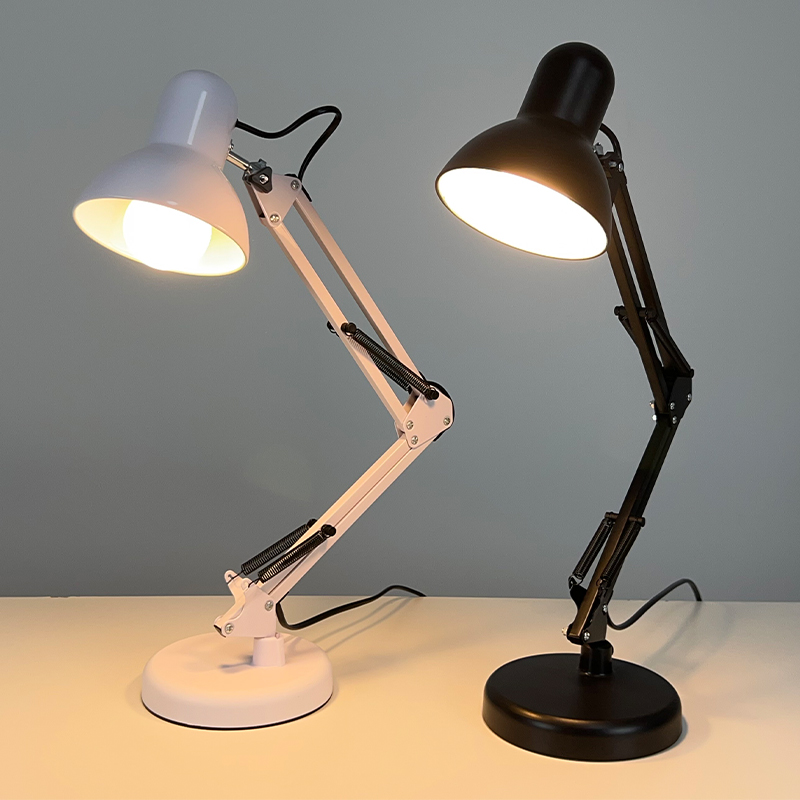
Height and Angle: Adjust  the height and angle of the lamp to provide  adequate illumination without causing  eye strain. A  lamp  with  an  adjustable arm can facilitate this.

Electrical Safety: Ensure that the lamp is connected to a proper electrical outlet with the right voltage. Avoid using extension cords that may compromise safety.

Routine Maintenance: Regularly clean the lamp and check  for any  signs of wear or electrical issues. This can help prolong the life  of the lamp and maintain optimal performance.

User Instructions: Ensure that users  are aware of how  to operate the lamp correctly, including any adjustments for brightness  and color temperature.

Common Problems with Desk Lamps and Effective Solutions

Despite  their utility, desk lamps can encounter problems. Here are some common issues and  how to address them:

Flickering Light: This can result from a loose bulb or a poor  electrical connection. Check the bulb  and ensure it is securely fitted. If the problem persists, inspect the wiring or consult the supplier for support.

Overheating: If a lamp  overheats, it may pose a fire hazard. Ensure that the lamp is placed in a well-ventilated area  and  not covered by objects. If overheating continues, discontinue use  and check for defects.

Bulb Burnout: Frequent  bulb burnout can indicate compatibility issues or poor-quality bulbs. Make sure you are using bulbs recommended by the manufacturer and consider switching to  energy-efficient  options.

Stability Issues: If  the lamp is unstable, check the base and ensure it is level. If it continues to wobble, consider using non-slip pads or replacing the lamp with a more stable design.

Dimming Function Failure: If the dimming feature malfunctions, it may be due to a faulty switch or electrical issue. Refer to the user manual  for troubleshooting steps, and consider having a qualified technician examine the lamp.

By  understanding these aspects of  desk lamps  for  office use, you can make informed purchasing decisions that enhance productivity and ensure compliance with safety standards. Whether you're sourcing for  a large office  or a smaller workspace, these insights will guide you in selecting the right products and suppliers.

Key Specifications for High-Quality Office Desk Lamps

When selecting desk lamps for office use, several key  specifications should be prioritized to ensure optimal functionality and compliance with industry standards.

Illumination Type and Brightness: Look for lamps that offer adjustable brightness and color  temperature settings. LED lamps are preferable due to their energy efficiency and  longer lifespan. The illumination should meet the  needs of various  tasks, from  reading to detailed  technical work.

Material Quality: The material used in desk lamps affects durability and aesthetic appeal. Metal and high-quality plastics  are common choices that provide sturdiness,  while  glass elements can enhance design. Ensure that materials are compliant with safety standards  such as CE and UL.

Power Consumption: Energy  efficiency is critical, especially in commercial settings. Check the lamp's wattage and ensure it meets  the requirements of your workspace. Products certified by  ERP can help in maintaining lower energy costs.

Adjustability and Design: Desk lamps should have flexible necks or arms for better positioning. The design should also fit seamlessly into the office aesthetic while providing adequate coverage of the work area. A Solar Patio Light may also serve as a stylish alternative in certain settings.

Safety Features: Compliance with safety standards, including overheat protection  and stable  bases, is essential to  prevent accidents. Ensure that the supplier provides documentation  of  certifications like TUV and BSCI.

Frequently Asked Questions

What desk lamp types do you manufacture?

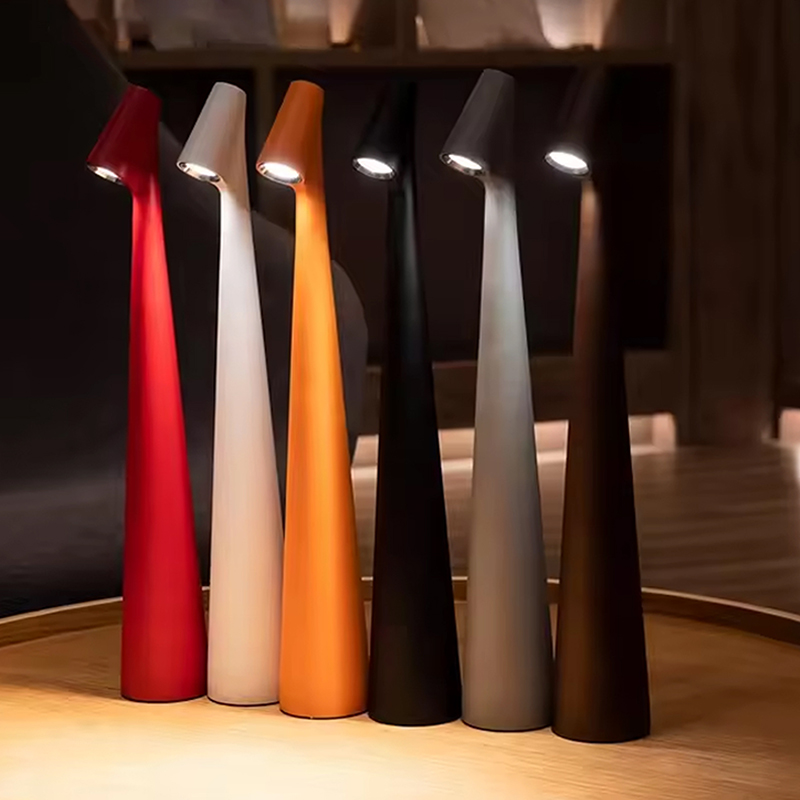
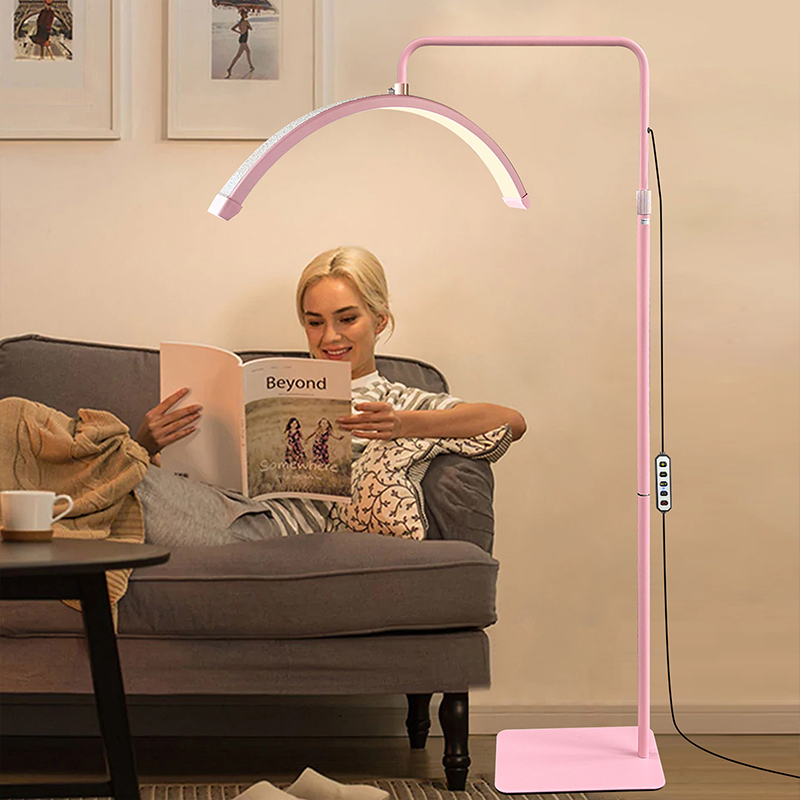
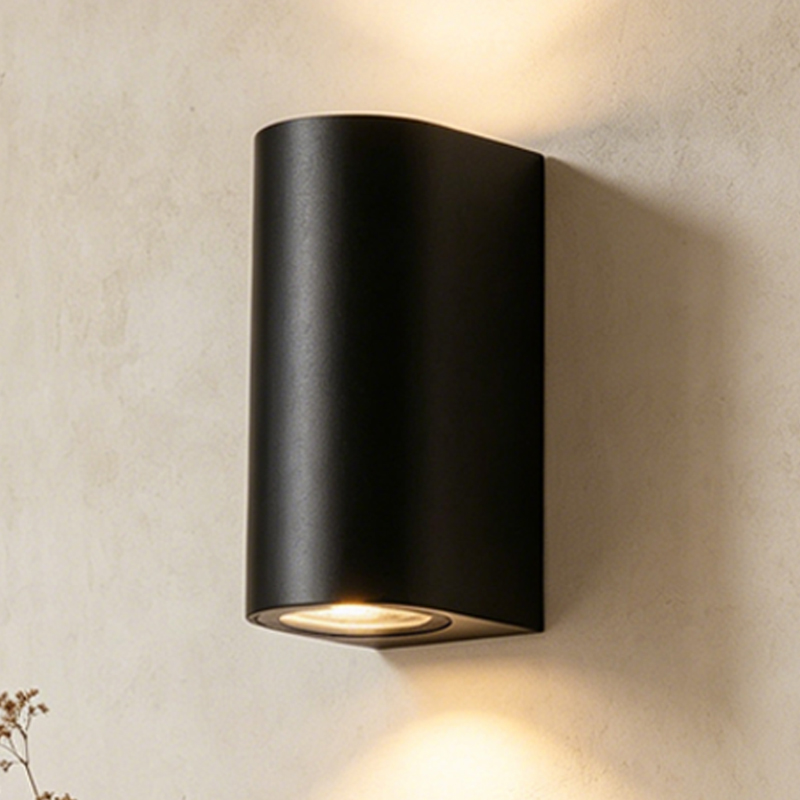
We produce desk, table, floor, wall, ceiling, and solar lamps designed for office and home use, offering various styles and finishes to suit different environments.
Yes. Our lamps carry CE, UL, and ERP certifications to meet international safety and energy standards.
Yes. We operate under TUV and BSCI management systems to ensure consistent product quality and responsible manufacturing practices.
Yes. We supply compliant lighting solutions in volume for global retailers, supporting large orders with reliable production capacity.
We provide warranty coverage and after-sales support for defects and performance issues; specific terms depend on model and order—contact our sales team for details.

Get a Free Quote

Our representative will contact you soon.
0/1000