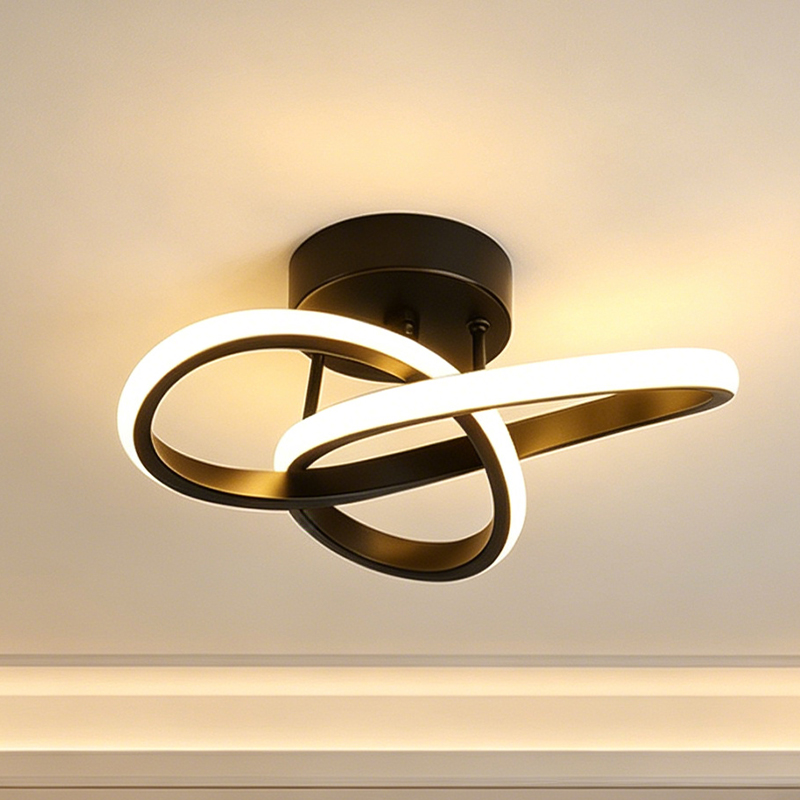
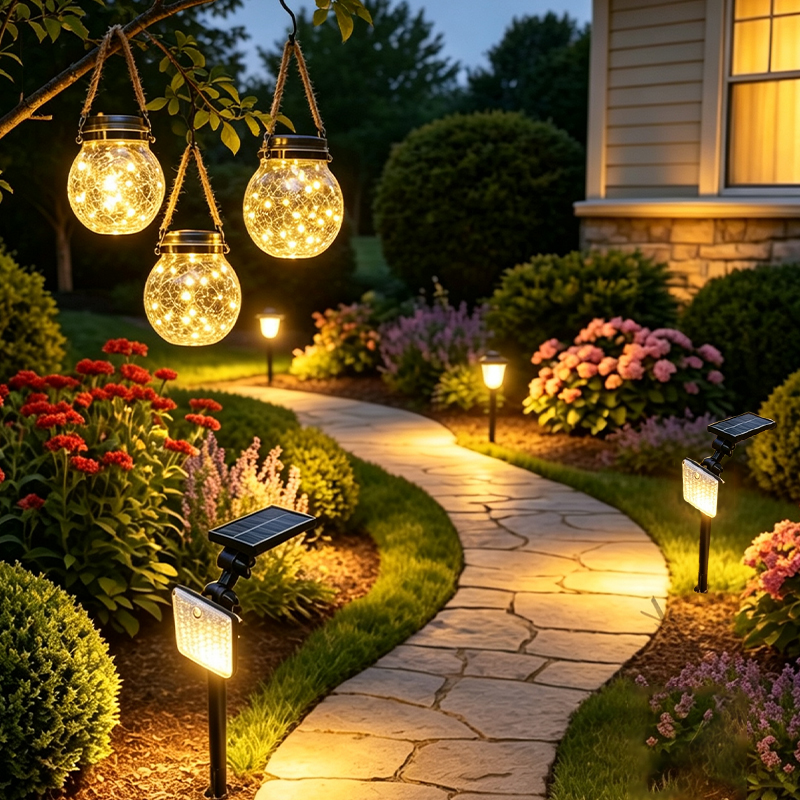
Choosing Quality Exterior Ceiling Lights for Projects

application/exterior-ceiling-lights, application/exterior-ceiling-lights, 
Inquiry
Inquiry

exterior ceiling lights

Choosing the right exterior  ceiling lights is  crucial for enhancing both functionality and  aesthetics  in commercial and industrial settings. As a B2B buyer, whether  you're a purchasing  manager,  distributor,  or project manager, understanding the nuances  of  these lighting  solutions is vital. This  article will explore key considerations when  selecting exterior ceiling lights, evaluating their quality, and navigating the purchasing  process, ensuring you make informed decisions  that  meet  your  project's  requirements.


How to Evaluate the Quality of Exterior Ceiling Lights for Wholesale

Evaluating quality  is paramount when purchasing exterior ceiling lights  in  bulk. Here are essential  steps to ensure that you  select high-quality products:

Check Certifications: Ensure that the  products  meet international standards  such as CE and UL certifications. These certifications indicate  compliance with safety  and performance requirements.

Material  Inspection: Request material  samples to assess durability and  finish. For instance, check for the thickness and quality of the housing material, which impacts the fixture's longevity.

Performance Testing:  Verify that the lights have undergone rigorous testing for  lumens output, energy consumption, and lifespan. Manufacturers should provide test reports demonstrating compliance with industry standards.

Quality Control Processes: Inquire about the manufacturer's quality control measures. A reliable manufacturer should have a systematic  process for inspecting  products at various stages of production.


Sample Approval: Before  placing a  bulk order, request samples to assess performance under actual operating conditions. This step will help ensure the lights meet your specific requirements.

A Buying Guide

When preparing to purchase exterior ceiling lights, consider  the following aspects  that will  facilitate a smoother  buying  process:


Define Your Requirements: Clearly outline the specifications you need based on the project’s requirements, including dimensions, light output, and energy consumption.

Request Quotes:  Provide potential suppliers with detailed information about your project, including quantity, required  specifications, and desired delivery timelines.  This will help them  provide accurate quotes.

Understand MOQ (Minimum Order Quantity): Different manufacturers may have varying MOQs, which can affect your purchasing decision. Ensure that your order aligns  with the supplier's MOQ  to avoid complications.

Customization Options: Consider whether you need customized  fixtures, such as specific colors or additional  features. Discuss  these needs  with the manufacturer early in  the process.

Packaging and Shipping: Check how the products  will be packaged  to prevent damage during transit. Understanding shipping costs and lead times is  crucial for project planning.

Installation Guidance for Exterior Ceiling Lights in Various Settings

Proper installation of exterior ceiling lights ensures optimal performance and longevity. Here are key considerations for various  settings:


Commercial Spaces: For commercial installations, ensure that the lights are spaced adequately to provide uniform illumination. Use design  layouts that consider the  height of the  ceiling and the intended use of the space.

Outdoor Areas: In outdoor settings, ensure  that fixtures are securely mounted  and  positioned to avoid obstruction from trees or buildings. Install them at appropriate  heights to  avoid  vandalism and damage.

Industrial Environments: In industrial settings, consider the impact of dust and moisture. Use fixtures  with higher IP ratings and robust  materials  to withstand harsh conditions.

Maintenance Accessibility:  Ensure that  lights  installed in hard-to-reach areas can be easily accessed for maintenance. This will minimize downtime and ensure that the lights remain functional.

Local Regulations: Be aware of local  regulations regarding outdoor  lighting, which may dictate brightness levels, energy consumption, and installation practices. Compliance with these regulations  is essential.

Cost Factors to Consider When Purchasing Exterior Ceiling Lights

Understanding the cost factors associated with purchasing exterior ceiling lights can help you manage  your budget effectively:


Initial Purchase Price: The base cost of the lights is a primary factor. However, be wary  of low-cost options that may compromise quality  and  long-term benefits.

Energy Costs:  Energy-efficient lights can reduce ongoing  electricity expenses. Calculate the total cost of ownership  by considering both purchase price and expected energy costs over the fixture's  lifespan.

Installation Costs: Factor in the costs associated with  installation, including labor and any  necessary equipment. Complex installations  may require additional expenses.

Maintenance Costs: Consider the maintenance requirements for the lights. Fixtures that require frequent bulb changes or repairs may lead  to higher long-term costs.

Shipping and Handling: Include shipping costs in your overall budget. Factors such as distance, packaging, and handling can impact the final price.

By considering  these factors, you can make informed decisions  that align with your  project’s  objectives and budgetary constraints. Understanding the landscape  of exterior ceiling lights  will empower you to select solutions that deliver both functionality and visual appeal  in your projects.

What to Consider When Choosing Exterior Ceiling Lights for Projects

When selecting  exterior ceiling lights, buyers must consider several factors  critical to the application and environment where the lights will be installed. Key considerations include:

Material and Durability: Exterior lights must withstand varying weather conditions. Look for materials  such as aluminum or high-grade polycarbonate, which offer resistance to rust and  corrosion.

IP Rating: The  Ingress Protection  (IP) rating indicates  how well the lights can resist dust and moisture. For exterior  applications, a minimum IP65 rating is recommended to ensure the lights can endure exposure to rain and  dust.

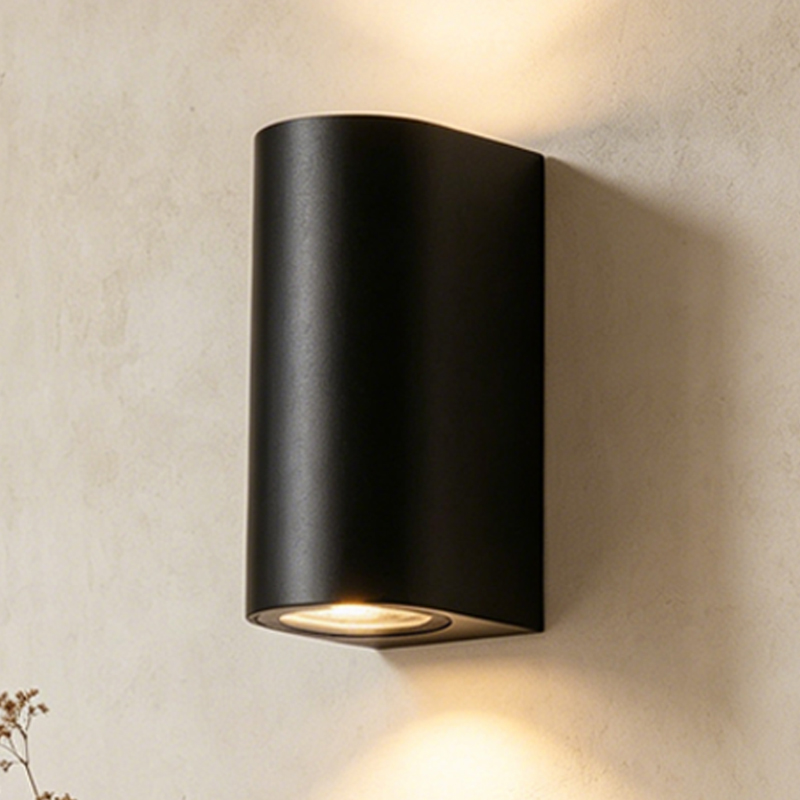
Energy Efficiency: Opting for energy-efficient lighting solutions,  like  LED Wall Light IP65 Aluminum Outdoor Up Down Light, can reduce operational  costs and extend the lifespan of the lights. LEDs not only consume less power but also provide better illumination.


Design and Aesthetics: The design should complement the architectural style of the building or outdoor space. Consider factors such as color temperature, lumens output, and fixture shape to achieve the desired ambiance.

Mounting Options: Assess  the installation requirements, including the height and location of  the  fixtures. Some exterior  ceiling lights  may require specific mounting  methods that affect  installation complexity and costs.

Frequently Asked Questions

What types of exterior ceiling lights do you offer?

We offer a range including flush mounts, semi-flush, LED panels, and solar-integrated ceiling lights suitable for porches, patios, and carports.
Yes. Our lights comply with CE/UL/ERP standards and are produced under TUV/BSCI management to meet global safety and quality requirements.
Yes. Many models feature IP-rated housings and corrosion-resistant finishes designed to withstand rain, humidity, and outdoor conditions.
Yes. We handle OEM/ODM, custom finishes, packaging, and large-volume orders tailored for global retailers with compliant documentation.
Most units include installation guides and mounting hardware. Warranties vary by model; contact us for specific warranty terms and post-sale support.

Get a Free Quote

Our representative will contact you soon.
0/1000