Essential Guide to Flush Ceiling Lights for Projects

application/flush-ceiling-lights, application/flush-ceiling-lights, 
Inquiry
Inquiry

flush ceiling lights

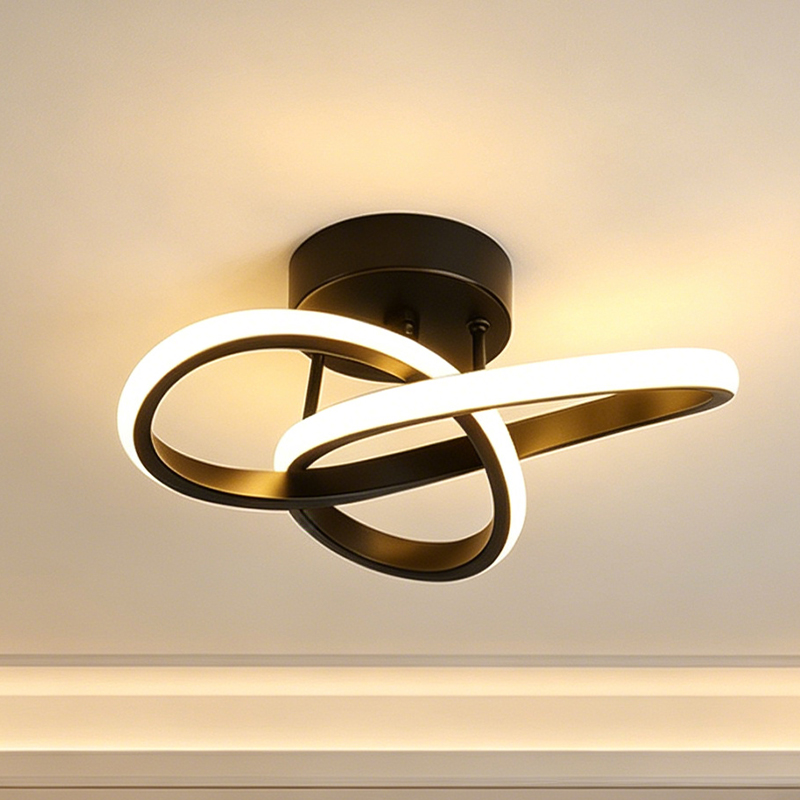
Flush ceiling lights are an  essential lighting solution in  both residential  and commercial  spaces,  offering  a sleek and modern aesthetic while maximizing ceiling  height. For B2B  buyers, such  as purchasing  managers,  contractors,  and engineers, understanding the specifications and quality of flush  ceiling lights is crucial for making informed purchasing decisions. This article  will cover  key specifications, evaluation criteria, bulk ordering considerations, the importance of quality materials, and expert tips  for  selecting the right  fixtures  for various applications. Additionally, exploring options like Solar Lamp can enhance your lighting solutions.


How to Evaluate Flush Ceiling Lights for Your Projects

Evaluating  flush ceiling lights involves several  practical steps:

Sample Approval: Before placing a bulk order, request samples to evaluate the  product's actual appearance and performance. This  will help verify dimensions, finish, and lighting quality under real operating conditions, reducing  the  risk of dissatisfaction with the final product.

Quality Control: Ensure that  the supplier has a  robust quality control  process. This includes inspections  during various stages of production and  compliance with relevant certifications (like CE or UL). These certifications indicate that the products meet safety and performance standards, critical for commercial applications.

Material Selection: Pay attention to the materials used in  the fixture's construction. High-quality metals and plastics not only enhance durability but also improve the fixture's aesthetic appeal. For example, aluminum is lightweight and resistant to corrosion, making it a popular choice  for modern  flush ceiling lights.

Warranty and Support: A reliable warranty indicates the  manufacturer's confidence in  their  product. Look for warranties that cover defects in materials and workmanship for a minimum of  two years.

By following these steps, buyers  can  make more informed decisions and select fixtures that will perform well over time.

Flush Ceiling Lights for Bulk Orders

When considering flush ceiling lights for bulk orders, several factors should be addressed:

Minimum Order Quantity (MOQ): Understand the  supplier’s MOQ,  as this can vary significantly between manufacturers. For instance, iGUANGZHOU I-ESSENCE ELECTRIC CO., LTD. may have flexible  ordering options depending  on the product line.

Lead  Time:  Production and shipping lead times  can impact project timelines. Ensure that the supplier can meet your schedule, especially if the lights are needed for a specific  project completion date.

Customizations: Many suppliers, including iGUANGZHOU I-ESSENCE,  offer customization options. This can  include specific color finishes or installation features  that cater to  unique project requirements. Communicate your needs clearly to avoid delays.


Packaging and  Shipping: Investigate how the  lights  will be packaged and shipped. Safe, damage-proof  packaging is essential for  bulk shipments to  minimize losses and ensure that products arrive in perfect condition.

By addressing these considerations, buyers can streamline their purchasing process and ensure they receive quality products in  a timely manner.

Benefits of Quality Materials in Flush Ceiling Light Manufacturing

The  materials used in the manufacturing of  flush ceiling  lights significantly impact  their performance,  aesthetics, and longevity.  Here are some benefits  of  selecting high-quality materials:

Durability: Fixtures made from robust materials such  as aluminum or high-grade plastics are less likely to deteriorate over time.  This reduces  maintenance costs and replacement needs, making them a more  economical choice in the long run.

Aesthetic Appeal: Quality  materials contribute to the overall look of the fixture. Premium finishes can enhance the visual appeal, making them suitable for high-end projects where design is paramount.

Heat Resistance: Good materials can withstand higher temperatures, ensuring safety and longevity. This is particularly important in environments where lights are frequently used, as excessive heat can lead to premature failure.

Energy Efficiency: High-quality materials often work in  conjunction with advanced LED  technology to provide brighter light with  lower energy consumption. This not only saves on  electricity costs but also reduces the carbon  footprint of the project.

Investing in high-quality materials leads to better performance  and longevity, ultimately  benefiting the overall project.

Expert Tips for Contractors on Selecting Flush Ceiling Lights

Contractors play a crucial role in  the selection of  flush ceiling lights for various projects. Here are some expert tips to consider:

Assess the Space: Analyze the  space where the lights will be installed.  Consider factors such as ceiling height, room size, and the intended use of the area. Different environments may require different lighting solutions,  and  a one-size-fits-all approach  may lead to unsatisfactory results.

Evaluate Compatibility: Ensure that the selected flush ceiling lights are compatible with existing electrical systems and can be easily integrated into the current design. This may include checking the voltage requirements and any special installation needs.


Consider Maintenance: Choose fixtures that are easy to clean and  maintain, especially in commercial environments where  hygiene is a priority. Features like removable shades or easy access to bulbs can save time and labor costs.

Stay Updated on Trends: Keep abreast of current trends in  lighting  design  and technology. Energy-efficient LED options and smart  lighting features are increasingly popular and can add value to your projects.

By following these tips, contractors can provide better recommendations and ensure that clients receive  lighting solutions that meet their needs effectively.

Understanding the specifications, evaluating quality, considering bulk order dynamics, prioritizing high-quality materials, and applying expert knowledge can greatly enhance  the purchasing process  for flush ceiling lights.  These considerations will help ensure a successful project  outcome, satisfying both aesthetic and functional requirements.


Key Specifications for High-Quality Flush Ceiling Lights

When selecting flush ceiling lights, several specifications  should be carefully considered. Key  elements include:


Wattage and Lumens: The wattage affects energy consumption, while lumens measure the brightness produced. A higher lumen  count is essential  for areas needing more light. For  instance, for commercial spaces like offices or retail  environments, a minimum of 800 lumens per  fixture is often  recommended.


Color Temperature: Measured in Kelvin (K), color temperature  impacts the ambiance of  a space. Warm white (2700K-3000K) is inviting for residential settings, while cool white (4000K-5000K) is often  preferred in commercial environments for its energizing  effect. You might also consider Ceiling Light options that cater to specific temperature preferences.

Dimensions: The size of the fixture should correspond to the dimensions of the room. Larger fixtures  can overwhelm  small spaces, while smaller fixtures may not provide adequate  lighting in larger areas.

Installation Type: Ensure the fixtures are compatible with the installation method, whether flush-mounted directly  against the ceiling or semi-flush for additional space.

Understanding these specifications helps buyers assess the  suitability of  flush ceiling lights for their specific applications.

Frequently Asked Questions

What are flush ceiling lights used for?

Flush ceiling lights provide general, low-profile illumination ideal for hallways, kitchens, bedrooms, and commercial spaces where a clean, compact fixture is preferred.
Yes. Our flush ceiling lights comply with CE, UL, and ERP standards and are produced under TUV/BSCI-managed processes for global retail compliance.
We offer a range of wattages and color temperatures, typically from warm (2700K) to cool (6500K), with options to suit residential and commercial needs.
Yes. Many of our flush fixtures are suitable for insulated ceilings, but please check the specific product datasheet or consult our technical team for IC-rated models.
We provide manufacturer warranty and dedicated after-sales support. Contact our customer service with product details and proof of purchase for assistance.

Get a Free Quote

Our representative will contact you soon.
0/1000