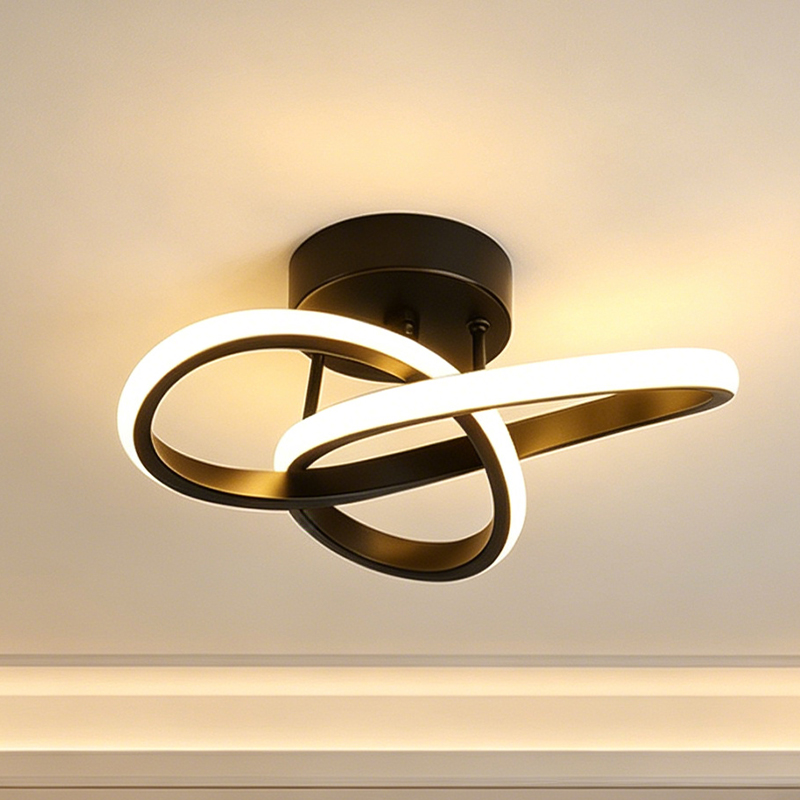
Choosing Kitchen Ceiling Lights for Your Project

application/kitchen-ceiling-lights, application/kitchen-ceiling-lights, 
Inquiry
Inquiry

kitchen ceiling lights

Choosing the right kitchen  ceiling lights  for your project  is crucial for  both functionality and  aesthetics. As a B2B buyer, you  need to understand the various  options  available, the specifications that matter, and compliance with  quality standards.  This  article will guide you  through the factors to consider  when selecting  kitchen ceiling  lights, ensuring  you  make an informed decision that meets  your  project's requirements.


Key Specifications to Evaluate When Sourcing Kitchen Ceiling Lights

When sourcing kitchen ceiling lights,  several key specifications  warrant your attention:

Wattage and Lumens: Ensure you understand the wattage relative to the lumens produced. A higher  wattage does not always  translate to greater brightness if the lumens are not adequately rated.

Material Quality: The materials used in the construction of  the lights affect durability and visual appeal. Common materials include  metal, glass, and plastic. Metal  fixtures might offer a  more  robust construction, while glass can provide an elegant look.

Dimensions: The  size of the fixture should be proportional to the kitchen space.  Larger kitchens  may benefit from bigger  fixtures or multiple smaller lights, whereas compact kitchens may require streamlined options to  avoid a cluttered appearance.

Mounting Type: Determine whether you need flush mounts, semi-flush mounts, or pendant lights, as this  will  affect installation and overall design.

Dimming Capability: If adjustable lighting is required, ensure  the fixtures are compatible with  dimmer switches.  This feature  enhances functionality and flexibility for different cooking and entertaining scenarios.

Understanding the Quality Standards of Kitchen Ceiling Lights

Compliance with industry  quality standards is essential  when purchasing kitchen ceiling lights, especially  for B2B buyers. Look  for certifications such as CE, UL, and  ERP, which indicate adherence to safety and environmental regulations. Products bearing these  labels  have undergone rigorous testing and are  deemed safe for  consumer use.


Understanding the quality control processes within the manufacturing facility can also provide  insight into  product reliability.  A manufacturer with TUV and BSCI certifications demonstrates a commitment to quality management and  social responsibility, essential factors for maintaining a  positive brand  image in the  competitive market.

Additionally, ensure that  the  lights meet any specific regulations relevant to your market or application, especially when supplying to  larger retailers or commercial clients.

Cost Factors to Consider When Purchasing Kitchen Ceiling Lights in Bulk

Bulk purchasing can lead  to significant cost savings,  but several factors influence pricing. Firstly, the quantity being ordered often affects unit pricing; larger orders  typically result in discounts.  However, consider  the MOQ (Minimum Order Quantity)  set by the  manufacturer,  as this can impact your overall purchasing strategy.

The complexity of the design and the materials used also  play a critical role in cost. Custom fixtures or those  made from premium  materials will generally  incur higher costs. As a buyer, negotiating terms such  as payment  schedules and delivery timelines can also provide leverage to optimize your budget.

Shipping costs are another consideration. Depending on the  geographical location of the manufacturer, these costs can vary significantly. Ensure  to  factor in  any additional tariffs  or fees associated with importation if purchasing from  overseas suppliers.

Applications of Kitchen Ceiling Lights in Commercial Settings

In commercial settings, kitchen ceiling lights serve critical functions  beyond aesthetics. For restaurants, proper  lighting can enhance the  dining  experience, influencing customer  satisfaction and retention. Adjustable lighting  options may be necessary for  different times of  day or specific events.

Additionally, compliance with health  and safety regulations is paramount in commercial kitchens.  Adequate illumination is essential for food preparation areas to ensure safety and efficiency, making it vital to select  appropriate luminance levels.

Consider the integration of  smart lighting systems in commercial  applications. These systems can offer  enhanced control over lighting conditions, such as brightness adjustments or color changes,  which  can be tailored to specific tasks or dining atmospheres.

understanding the various aspects of kitchen ceiling lights—from selection and specifications to quality standards and applications—will empower you to make informed purchasing decisions. By focusing on these critical factors, you  can enhance the functionality and aesthetic appeal of your  kitchen spaces, whether for  residential projects or  large-scale commercial settings.

How to Choose the Right Kitchen Ceiling Lights for Your Projec

Selecting the appropriate kitchen ceiling lights begins with understanding the specific  needs of your space.  Consider  factors  such as the size of the kitchen, the ceiling height, and the overall design theme. For  instance, pendant  lights might enhance  a contemporary kitchen, while flush mounts could be suitable for a  classic style. Additionally, exploring options like Solar Lamp can provide modern solutions for your lighting needs.

Evaluate the light output, measured in  lumens, as this determines the brightness of the lighting. A well-lit kitchen typically requires between 300-500 lumens per square  meter, depending on the tasks performed  in the kitchen. Also, consider the color temperature, typically ranging from 2700K to  5000K, to create the desired  ambiance—warm  white for a cozy feel or cool white  for a modern look.

Lastly, think about energy efficiency. LED options are increasingly popular  due to  their long lifespan and lower energy consumption.  This is not only cost-effective but also environmentally  friendly, aligning with current sustainability trends  in the manufacturing industry. Choosing products like Solar Street Light can further enhance your energy-saving efforts.

Frequently Asked Questions

What types of kitchen ceiling lights do you offer?

We supply a range of kitchen ceiling lights including flush, semi-flush, recessed, LED panels, and decorative fixtures suitable for various kitchen styles and sizes.
Yes. Our lights carry CE, UL, and ERP certifications and are produced under TUV/BSCI management to meet international safety and quality standards.
Many models are rated for damp locations; check the specific product IP or damp-rating. We can recommend suitable options for areas near sinks or ventilation.
Yes. We offer dimmable LED fixtures compatible with common dimmer switches; confirm product specifications to ensure compatibility with your dimmer type.
Absolutely. We manufacture at scale and supply compliant lighting solutions for global retailers and large projects, offering quality control and certification support.

Get a Free Quote

Our representative will contact you soon.
0/1000