Evaluating Cost Factors for Night Lamps in Bulk

application/lamp-at-night, application/lamp-at-night, 
Inquiry
Inquiry

lamp at night

In the  world of B2B  purchasing, selecting  the right  lamp  at night for commercial or  industrial  applications involves careful consideration of various factors. Night lamps are essential for  enhancing visibility and safety in  many environments, and understanding their  features,  performance, and cost implications  is crucial for purchasing managers and  distributors. This article  will  guide you through evaluating cost factors, ensuring optimal performance,  identifying  essential features,  exploring application scenarios, and making  informed sourcing decisions for night lamps.


Ensuring Optimal Performance

Optimal performance of night  lamps is crucial, especially in  environments where visibility is key. Here’s what to consider:

Lumens and Brightness: Assess  the lumen output of the lamp, as this indicates the brightness level. Higher  lumens may  be necessary for areas requiring more illumination, such as warehouses or outdoor settings.

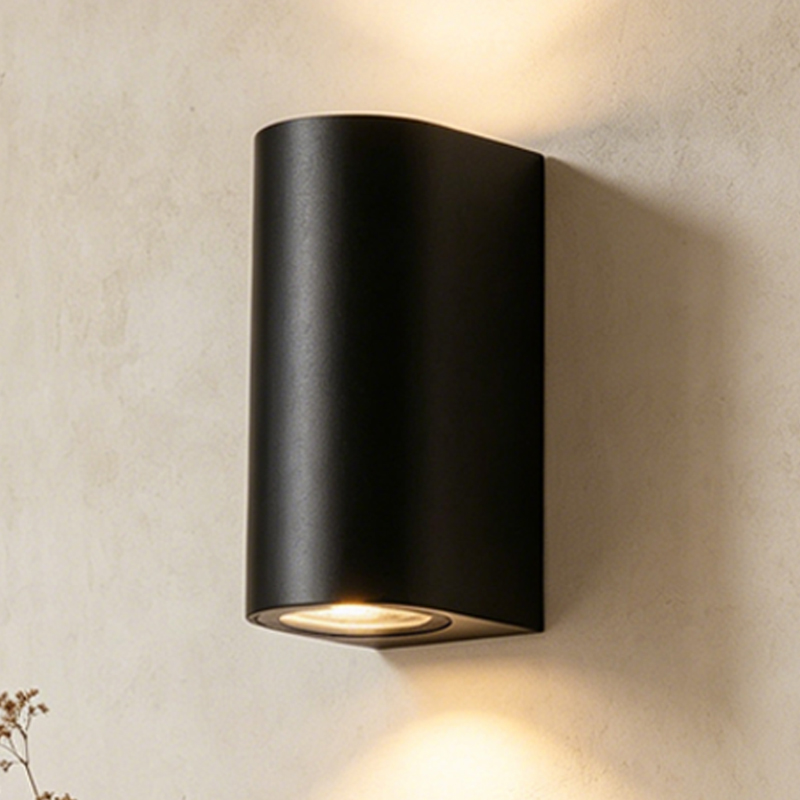
Energy Efficiency: Look for  lamps  that offer energy-efficient options, such as LED technology. This not only  reduces  operational costs but also extends the lamp's lifespan, leading to lower replacement frequency. For instance, consider the LED Wall Light IP65 Aluminum Outdoor Up Down Light for its energy-saving features.

Durability and Material Composition: The materials  used in lamp construction  will influence performance. For instance, lamps with robust housings can withstand  harsher conditions, making them suitable  for outdoor use or in high-traffic areas.

Heat Dissipation: Ensure that the lamps are designed to dissipate heat effectively,  preventing overheating and potential failure. This is particularly important for LED lamps that may produce heat over  time.

Testing Standards: Verify that the lamps meet relevant safety and performance standards,  such as CE or  UL certifications. Compliance with  these  standards ensures that the products are reliable  and safe for use.

Features That Matter for Distributors

Distributors should prioritize certain features to  enhance marketability and customer satisfaction:

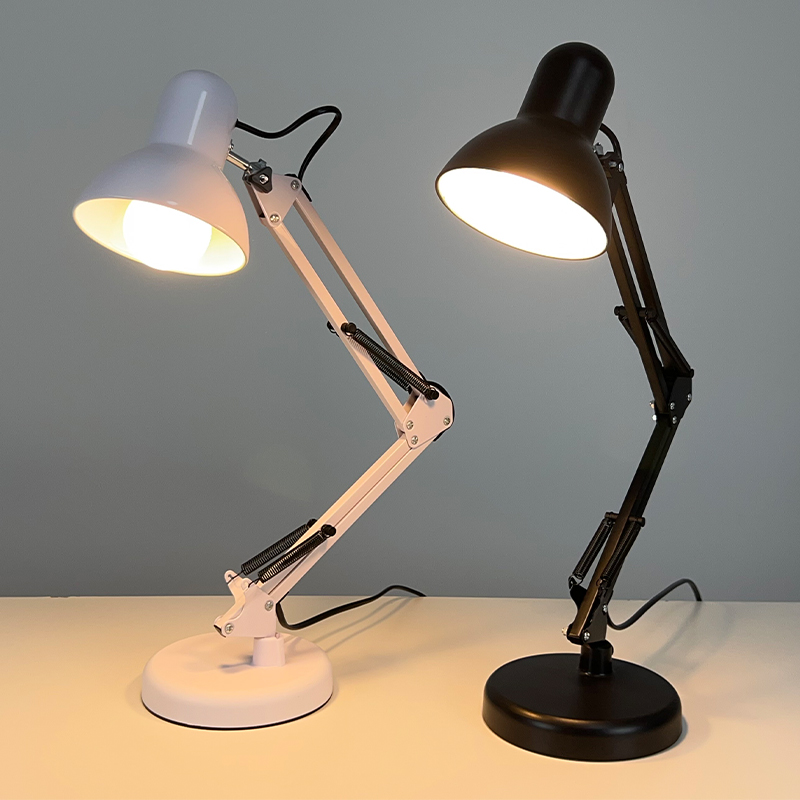
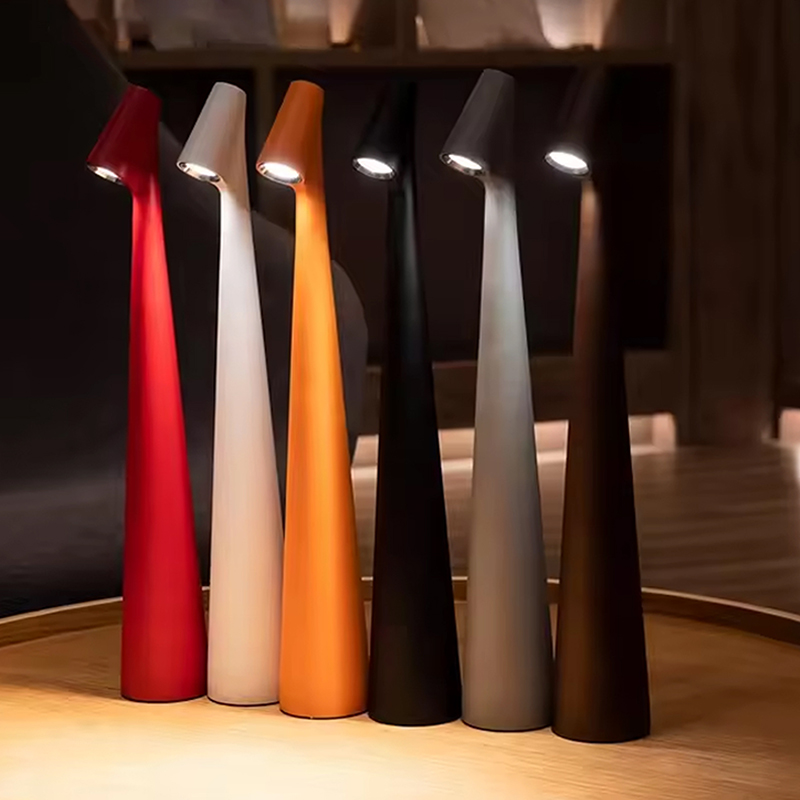
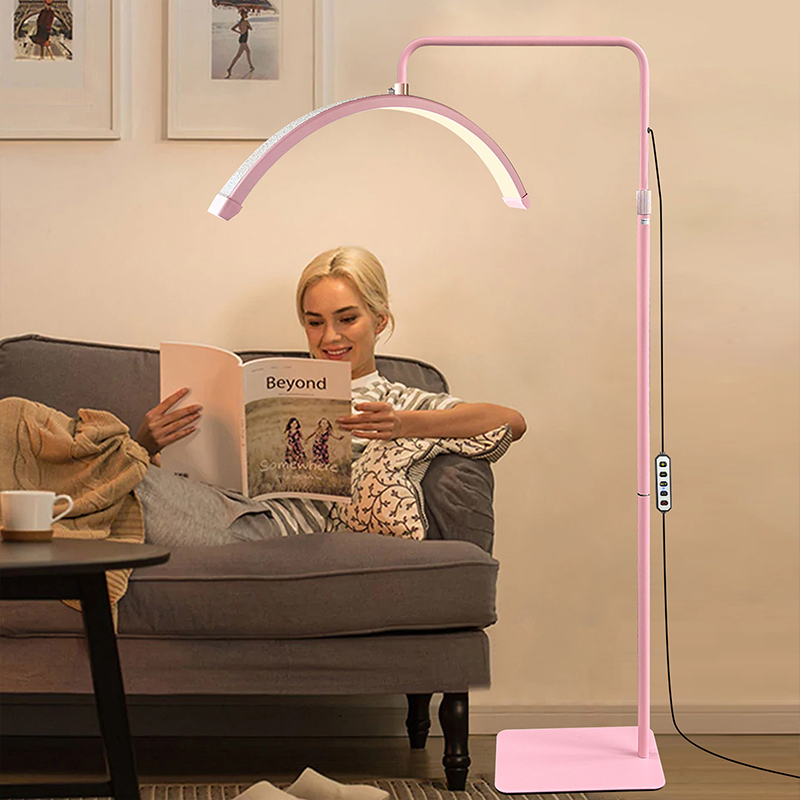
Design Variations:  Offering a range of designs—including  desk, floor, and wall-mounted lamps—will  attract  diverse customer needs. Customization options  can further  enhance appeal.

Smart Features: Consider lamps that  have smart capabilities, such as remote control or  integration with smart home systems. This trend is increasingly popular among consumers looking for  convenience.

Adjustability: Features like adjustable brightness or direction can cater  to various applications, making the  lamps  more versatile and user-friendly.

Weather Resistance:  For outdoor  applications, ensure that lamps are weatherproof and able to withstand environmental factors like rain, heat,  or  snow. The Waterproof Wall Light IP65 E27 Up Down Outdoor Indoor is an excellent choice for this purpose.

Warranty and Support:  A robust warranty and responsive customer support can  significantly influence purchasing decisions. This reassurance can enhance distributor  credibility.

Application Scenarios for Night Lamps in Different Environments

Understanding the application  scenarios  for night lamps can guide your purchasing  decisions:


Retail Spaces: In retail environments, night lamps can enhance product visibility and create an inviting atmosphere. Adjustable lamps that allow for focused lighting on products are advantageous.

Offices: Desk and  table  lamps are essential in office settings, providing adequate lighting for tasks while minimizing eye strain. Energy-efficient options can also  contribute to sustainability goals.

Warehouses: Floor lamps or robust ceiling-mounted lamps are ideal for warehouses, where  vast spaces require effective illumination. Consider high-lumen  options  to ensure safety and visibility.

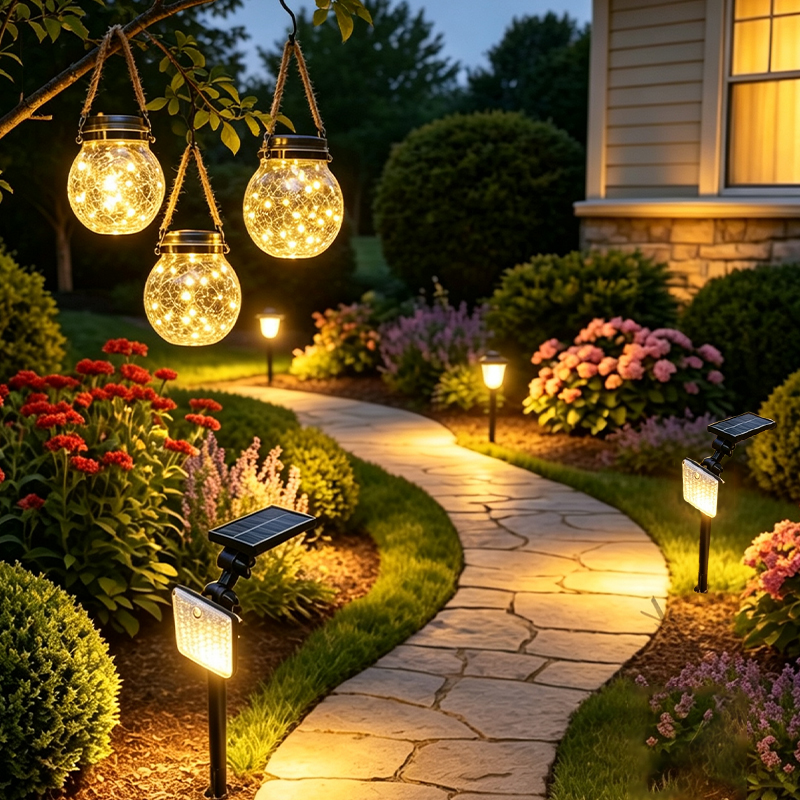
Outdoor Areas: Solar lamps  or weather-resistant units  are  perfect for outdoor settings such as gardens,  pathways, or parking lots. They provide  safety while reducing electricity  costs.

Residential Use: When targeting  residential buyers, focus on designs that integrate well  with home aesthetics, such as modern or vintage styles.  Smart features can  also appeal to tech-savvy consumers.

How to Make Informed Decisions When Sourcing Night Lamps

Making informed  sourcing decisions requires thorough research  and preparation:

Product Specifications: Gather detailed specifications for the night lamps, including dimensions, materials,  wattage, and lumen output. This information is vital for assessing application suitability.


Supplier Evaluation:  Evaluate potential suppliers based  on their manufacturing capabilities, quality control processes, and compliance with relevant certifications. Verify their ability to meet your requirements and timelines.

Request Samples: Before committing to a bulk order, request samples to assess quality  firsthand.  Evaluate the lamp's  performance, build quality, and any features that are important for your application.

Review Terms and Conditions: Carefully read through the supplier’s terms  regarding returns, warranties, and lead times.  Understanding these details will aid in  mitigating  risks during the purchasing process.

Customer Feedback:  Research reviews  or case studies from other  distributors or end-users. Real-world feedback can provide insights into product performance and supplier  reliability.

By following these guidelines, you can navigate the complexities of sourcing  night  lamps more effectively, ensuring that your purchasing decisions are well-informed and aligned with  your operational needs.

How to Evaluate the Cost Factors of Night Lamps for Bulk Orders

When considering bulk orders of night lamps, it’s essential to assess  several cost factors to  achieve  the best value without compromising quality. Key elements include:

Unit  Price: The base cost per lamp will vary depending on factors such as  design, materials used, and manufacturing complexity. It's important to request quotes from multiple suppliers  to compare pricing effectively.

Minimum Order  Quantity (MOQ): Manufacturers often set an MOQ, which can  significantly impact total costs. Be sure to inquire about the MOQ and how it affects unit pricing.  Negotiating a larger order could yield cost benefits.

Shipping and Handling Costs: Consider logistics  in your total cost analysis. Shipping costs can vary based on destination, weight, and packaging. Ensure that  the  supplier provides clear estimates that cover all shipping-related fees.


Customs  and Duties: For international orders, be aware of  potential import duties and taxes that could affect the overall cost of the lamps. Consulting with a customs broker may provide clarity on these  expenses.

Quality Assurance Costs: Implementing quality control during production  may add to upfront costs but can prevent larger expenses related  to product returns or replacements in the  long run.


Frequently Asked Questions

What types of lamps does iGUANGZHOU offer?

We manufacture desk, table, floor, wall, ceiling, and solar lamps to suit residential and commercial lighting needs.
Yes. Our products comply with CE, UL, and ERP standards and are produced under TUV and BSCI management systems.
Yes. We provide compliant lighting solutions and have experience supplying global retailers, supporting bulk orders and retail packaging.
Many models include energy-efficient LEDs and ERP-compliant designs; solar lamp options are available for off-grid or sustainable lighting.
We offer manufacturer warranty and after-sales support for defects and compliance issues; contact our support team for warranty details and claim procedures.

Get a Free Quote

Our representative will contact you soon.
0/1000