LED Ceiling Lights for Bedrooms: Key Considerations

application/led-lights-for-bedroom-ceiling, application/led-lights-for-bedroom-ceiling, 
Inquiry
Inquiry

led lights for bedroom ceiling

LED ceiling lights for  bedrooms are a popular choice for both residential and commercial  applications due  to their energy efficiency, long lifespan,  and versatility in design.  As  a purchasing manager or product manager, understanding the key specifications,  installation  challenges, and sourcing options can significantly  impact  your decision-making  process.  This article will guide  you through essential considerations when  selecting  LED lights for bedroom ceilings,  addressing common  concerns and  providing  insights  that will help you make informed purchasing decisions.

Common Installation Problems with LED Ceiling Lights and Solutions

Despite their  advantages, installing  LED ceiling lights can present  challenges. Understanding these  common issues will help you avoid potential setbacks during installation.

Incompatibility with Existing Wiring: LED lights often require specific types of wiring. If the existing fixtures were  designed for incandescent  bulbs, you may need to upgrade the wiring or install compatible fixtures. Always consult with a qualified electrician to assess compatibility  before installation.

Insufficient Heat Dissipation: LED lights produce less heat than traditional bulbs, but poor installation can lead to overheating. Ensure that the  fixtures are appropriately rated  for the ceiling type and  allow for adequate airflow  to prevent heat  buildup, which can shorten the lifespan of the lights.

Incorrect Mounting: Improper mounting can lead to flickering or premature  failure. Confirm that the fixture is securely mounted and that  all connections are tight and free of corrosion.

Limited Access for Maintenance: Depending on the ceiling  design, maintenance can  be cumbersome. Consider choosing fixtures that allow easy  access to bulbs for  replacement or servicing.

By anticipating these challenges, you can  streamline the installation process and enhance the longevity of your LED ceiling lights.

Where to Source Reliable Suppliers for LED Bedroom Lighting

Finding reliable suppliers is vital for ensuring quality and  compliance in your LED lighting purchases. Here are some  strategies to locate  trustworthy manufacturers:

Industry Trade Shows: Attending  trade shows dedicated to lighting or home improvement can connect  you with manufacturers and distributors. This face-to-face interaction allows you to assess product quality  and negotiate  terms directly.

Online Marketplaces: Platforms like  Alibaba or ThomasNet can help you  find  manufacturers based on certification and product reviews. Always verify the manufacturer's credentials  and request samples before placing bulk orders.

Referrals and Reviews: Networking with industry professionals can provide insights into reputable suppliers. Seek  recommendations  from colleagues, and check  online reviews to gauge the reliability of potential partners.

Manufacturer  Certifications: Ensure that suppliers hold relevant certifications, such as CE, UL, and TUV, which  indicate adherence to safety and quality standards. This can also  ease  compliance issues when selling in different  markets.

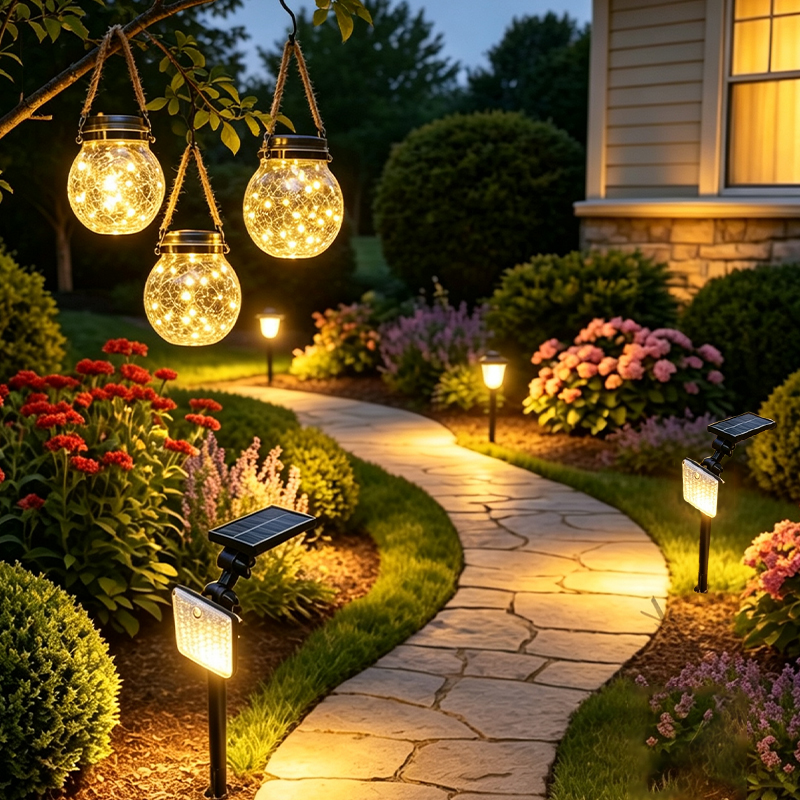
By leveraging these sourcing strategies, you can establish partnerships that support your purchasing goals and ensure a consistent  supply of high-quality LED ceiling lights. Additionally, exploring options like Solar Patio Lights can diversify your lighting solutions.

Cost Factors to Consider When Purchasing LED Ceiling Lights in Bulk

Understanding cost factors is essential for effective budgeting when purchasing LED ceiling lights in bulk.

Unit Price vs. Total Cost: While  lower unit prices may  seem attractive, consider the total  cost of ownership, including installation, maintenance, and energy  consumption. A higher-quality LED light  may have a higher  upfront cost but result in lower long-term expenses.

Minimum Order Quantity (MOQ): Many manufacturers have a minimum order quantity that can impact your overall costs. Ensure  that the quantity aligns with your project needs to avoid excess inventory.

Shipping  and Handling: Calculate shipping  costs as  they can  significantly affect the overall price. Consider local suppliers to minimize logistics costs and potential delays.

Customization Costs: If you require specific features or designs, be prepared for  additional costs  associated  with customization. Always  request  a detailed quote that includes all potential charges.

Payment Terms: Negotiate payment terms with suppliers to improve cash flow. Flexible payment options can provide financial relief, especially  for large purchases.

By considering these cost factors, you  can better evaluate your options and make  a more informed purchasing decision.

Understanding Material Advantages of LED Lights for Ceiling Use

The materials used in LED ceiling lights significantly influence their performance, durability, and suitability for various applications.

Housing Material: Common materials include aluminum and  polycarbonate. Aluminum offers excellent heat  dissipation, enhancing the lifespan of the LEDs, while  polycarbonate is lightweight and shatter-resistant, making it suitable for high-traffic areas.

Lens Material: The lens material affects light diffusion  and glare control. Opt for materials  that provide effective light distribution while minimizing hot spots. Frosted lenses often work best in living spaces like bedrooms.

Heat Sink Design: An  effective heat sink is crucial for LED lights, as it helps manage heat buildup. Look for designs that maximize surface area while maintaining an aesthetic appeal.

Finish and Coating: Powder-coated finishes can  improve resistance to scratches and fading, ensuring that the lights maintain their appearance over time. This  is especially  important in high-visibility areas.

Sustainability: Consider the sustainability of materials used.  Many manufacturers are moving  toward eco-friendly options that reduce environmental impact without sacrificing performance.

By understanding the advantages of different materials, you can select LED  ceiling lights that not only meet your aesthetic requirements but also perform reliably in the long term. Solar Flood Lights are an excellent example of sustainable lighting solutions.

This comprehensive guide  is designed to equip B2B buyers with the knowledge needed to navigate  the purchasing process for LED ceiling lights  in bedrooms effectively. By focusing on specifications, common challenges, reliable sourcing, cost factors, and material  advantages, you can  make informed decisions that enhance both  functionality and design in your projects.

Specifications to Consider for LED Ceiling Lights in Bedrooms

When selecting LED ceiling lights for bedrooms, several specifications are crucial to ensure  optimal performance and compatibility with your space.

Lumens and Wattage: Lumens measure the brightness of the light, while wattage indicates the energy consumption. For bedroom lighting, a typical range is between 1,500 to 3,000 lumens, which can  vary based on the room size  and desired brightness. Selecting an LED light with the appropriate  lumen output ensures adequate  illumination without excessive energy use.

Color Temperature: Measured in Kelvin (K), color temperature affects the ambiance of the room. Warmer tones (2700K-3000K) create  a cozy atmosphere,  while cooler tones (4000K-5000K) provide a more modern, energetic feel. It’s  essential to choose a color temperature that aligns with the intended  use of the bedroom, whether for relaxation  or activity.

Dimming Capability: Many buyers prefer dimmable options to adjust  lighting according to different times of day or activities. Ensure that  the LED fixture is compatible with dimmer  switches to  provide flexibility in lighting levels.

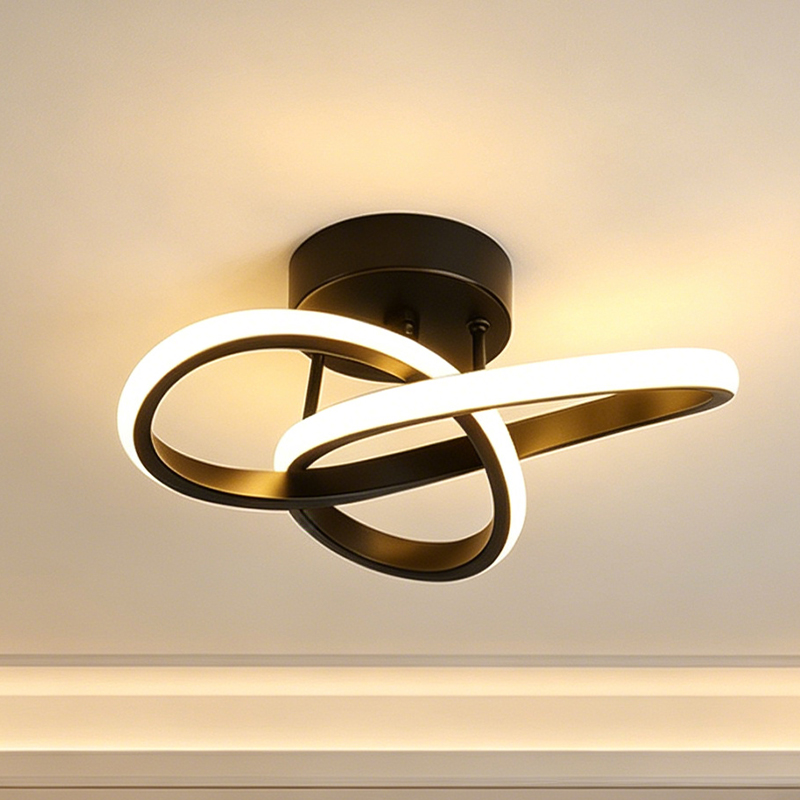
Size and Design: The dimensions of the ceiling light should match the room scale. Larger rooms may require multiple fixtures or larger designs to achieve balanced lighting. Additionally, consider  the aesthetic appeal to ensure it complements the overall decor. For instance, a stylish Solar Lamp could enhance the room's ambiance.

Energy Ratings: Look for certifications such as Energy Star, which  indicates compliance with energy efficiency guidelines. This can  lead to long-term savings on energy bills and lower  environmental impact.

Frequently Asked Questions

Are these LED lights suitable for bedroom ceilings?

Yes. Our LED ceiling lights are designed for bedroom use, offering soft, even illumination and dimmable options to create comfortable sleeping and reading environments.
Our LED lights carry CE, UL, and ERP certifications, and are produced under TUV/BSCI management systems to meet global safety and efficiency standards.
Many models support dimming. Check the product spec for dimmable capability and compatible dimmer types. We can also advise on suitable drivers and controls.
Yes. We supply compliant lighting solutions with retail-ready packaging and can accommodate bulk orders for global retailers with required certifications.
We provide product warranty and after-sales support. Specific warranty length varies by model; contact our sales team for details and assistance with installation or replacement.

Get a Free Quote

Our representative will contact you soon.
0/1000