Key Specifications for LED Wall Lights

application/led-wall-lights, application/led-wall-lights, 
Inquiry
Inquiry

led wall lights

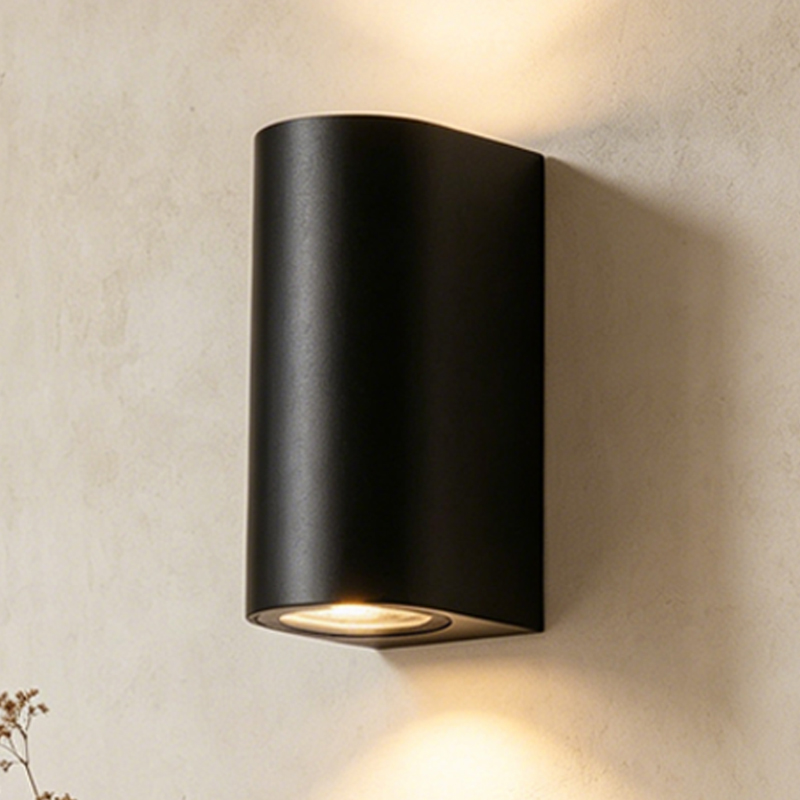
LED wall lights are an essential  lighting solution for various applications,  providing both functionality and  aesthetic appeal. For B2B buyers,  particularly  purchasing managers and engineers, understanding the specifications, installation processes, and potential issues related to  LED  wall lights  is  crucial  for making informed  decisions. This  article aims  to clarify  key considerations when selecting LED wall lights,  emphasizing  quality, installation, cost comparisons,  and  common  problems along  with their solutions.

Why choose I-ESSENCE led wall lights

Our Products

Key Specifications to Consider for LED Wall Lights

When evaluating LED wall lights, several key  specifications play a vital role in determining their suitability for specific projects:

Lumens Output: This measures the  brightness  of the light. For commercial  applications, consider how much light is required for the space. An  under-lit  area can lead to safety concerns and reduced productivity.

Color Temperature: Measured in Kelvins (K), this indicates the color of the  light emitted. Warmer colors (2700K-3000K) provide a cozy atmosphere, while cooler colors (4000K-5000K)  enhance visibility, making them ideal for work environments.

Wattage: This  indicates energy consumption. Opting for  lower wattage LEDs can result in energy savings without sacrificing brightness, making it an essential specification for budget-conscious buyers.

Dimmability: Some LED  wall lights offer dimming features, providing flexibility in adjusting light intensity based  on  the needs of the environment.

IP Rating: The Ingress Protection (IP) rating indicates  the light’s resistance to dust and moisture.  For outdoor installations, look for  higher ratings (IP65 or above) to  ensure  durability. If you're looking for outdoor solutions, consider our Solar Street Light options for enhanced performance.

Understanding these specifications is critical for selecting LED wall lights that meet both aesthetic desires and functional requirements.

Frequently Asked Questions

Our Blog Posts

What Our Partners Say

Why Quality Matters in LED Wall Lights

Quality  is  paramount  when it comes to LED wall lights, particularly for commercial applications. High-quality LEDs not only provide better  energy efficiency but also have  longer lifespans, reducing the frequency of replacements and maintenance costs. Here are some quality  indicators to consider:

Certification: Look for products with  CE, UL, and ERP certifications, which ensure compliance with safety and efficiency standards.

Materials: The housing  material (typically aluminum or plastic) affects durability. Aluminum offers better heat dissipation, which can prolong the  life of the LED components.

Color Rendering Index (CRI): A higher CRI rating (above 80) indicates  better color accuracy, essential  for retail and artistic environments where color perception is crucial.

Warranty: A robust warranty often reflects the  manufacturer's confidence in their product's  quality.  Ensure the warranty covers both the LED and its components.

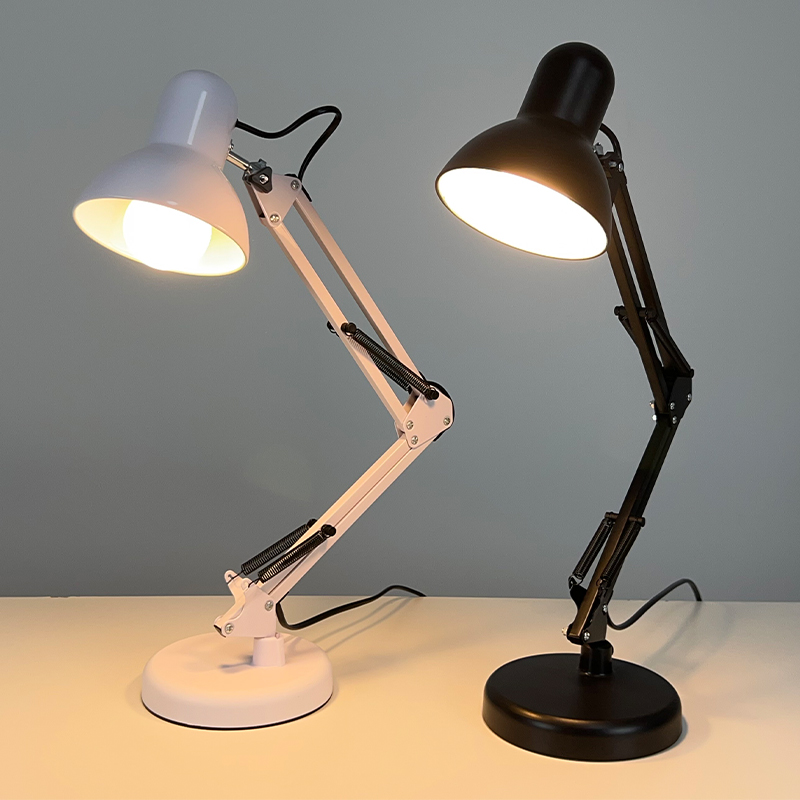
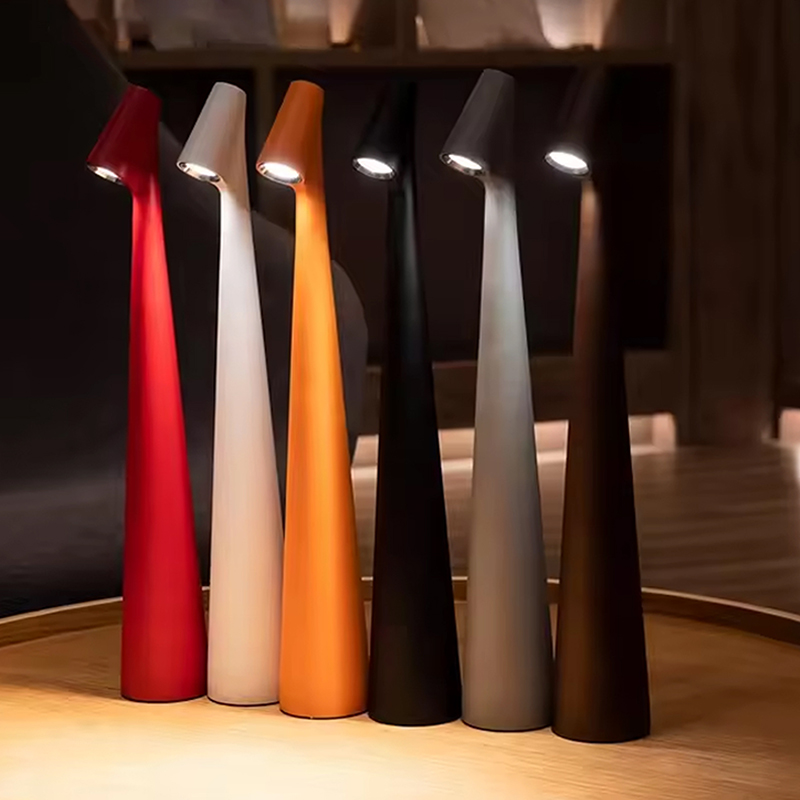
Investing in quality LED wall  lights  can lead to long-term savings and enhanced user satisfaction, making this a critical  area for buyers to focus on. For those looking for stylish options, explore our Decorative Table Lamp range.

Installation Guidance for Efficient LED Wall Light Setup

Proper  installation is  essential for optimizing the  performance and longevity of LED  wall lights.  Here are some practical  tips  for  ensuring an  efficient setup:

Mounting Location: Identify the optimal height and location for installation. Typically, wall lights should be positioned at eye level or  slightly above in areas where visibility is important.

Electrical Connections: Ensure that all electrical connections are secure and meet local electrical codes. This may involve hiring a licensed electrician to guarantee safety and compliance.

Surface Preparation: The wall surface should be clean and free of debris.  For outdoor  installations, consider weatherproofing measures to protect the electrical  components.

Testing Before Finalizing: Once installed, test the  lights to confirm the brightness and functionality before making any permanent  fixtures. This can help identify any  issues that may need to be addressed.

Follow  Manufacturer Guidelines: Always  adhere to the installation instructions provided by  the manufacturer. This can include specific mounting techniques and electrical requirements.

Efficient installation not only enhances the performance  of LED wall lights but also minimizes potential issues post-installation.

Comparing Costs of LED Wall Lights for Bulk Orders

Cost is often a significant factor in the purchasing decision for LED wall lights,  especially for  bulk orders.  Factors  influencing  pricing include:

Volume Discounts: Many suppliers offer tiered pricing based  on order quantity.  Larger orders typically result in lower per-unit costs, which can lead to significant savings for businesses.

Custom Features: Customization options  (such  as specific colors or additional features) may affect  pricing.  Buyers should assess whether  the added costs align with their project needs.

Shipping and Handling: Consider the logistics of shipping,  including potential tariffs if importing products.  Understanding these costs is vital  for  accurate  budgeting.

Lead Times: Longer lead  times can impact project timelines.  Ensure that the supplier can meet your delivery requirements to avoid delays.

By thoroughly comparing costs and understanding the implications of bulk orders, buyers can make informed financial decisions regarding their LED wall light purchases.

Common Problems with LED Wall Lights and Their Solutions

Despite their many advantages, LED wall lights can encounter issues that buyers should be aware  of.  Here are some common problems and practical solutions:

Flickering Lights: This  can often be due  to poor-quality dimmers  or incompatible fixtures. Ensure that the lighting system is compatible with the LED technology being used. Upgrading to compatible dimmers can resolve flickering issues.

Color Shift Over Time: Inexpensive  LEDs may shift color as they age. Opt for high-quality products with a good CRI rating to minimize this issue.

Overheating: If LEDs are overheating, this  may indicate inadequate ventilation or a poor-quality driver.  Ensure proper heat dissipation mechanisms are in place, and consider models  designed specifically for high-heat environments.

Short Lifespan: A shorter lifespan than expected can result from using low-quality components. Verify that the product meets the necessary certifications and  warranty claims before purchase.

Installation Issues: Incorrect installation can lead to malfunction. Always follow installation guidelines  and consider consulting with professionals if needed.

Being proactive about these common issues can  enhance the performance  and reliability of LED wall lights, ensuring a more satisfactory experience for end-users.

By understanding  the key specifications, recognizing the importance of quality,  following proper installation guidelines, evaluating costs  effectively, and being aware of  common problems, B2B buyers can make informed decisions when sourcing LED wall lights from manufacturers like iGUANGZHOU I-ESSENCE ELECTRIC CO., LTD. This knowledge will not only assist in meeting project  requirements but also  in achieving long-term satisfaction with their lighting solutions.