Choosing the Right Sconces for Your Projects

application/sconces, application/sconces, 
Inquiry
Inquiry

sconces

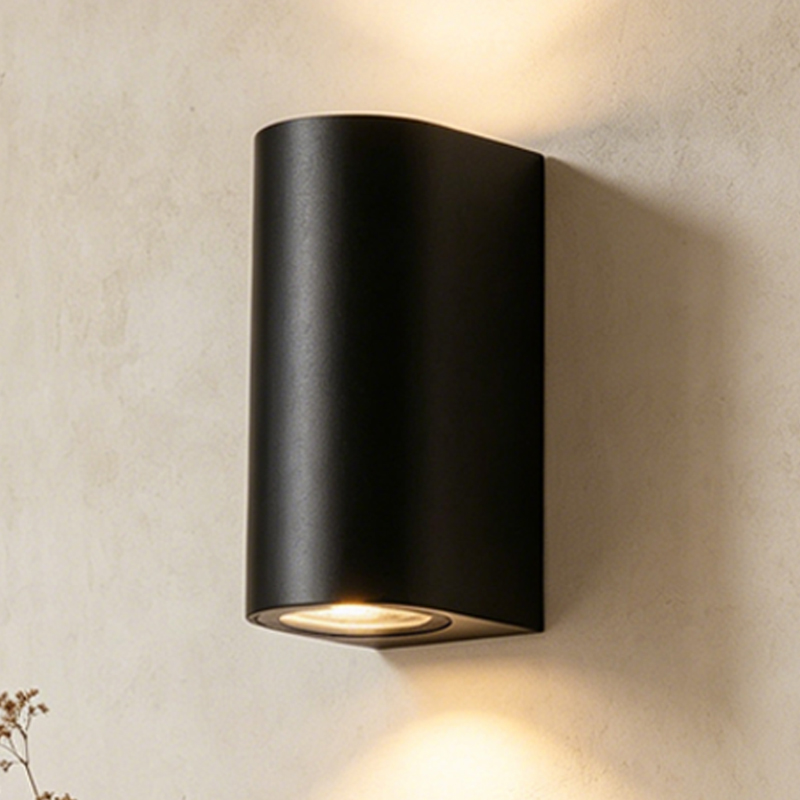
When considering lighting solutions  for commercial or  residential spaces,  sconces are often  an ideal  choice. These wall-mounted fixtures not only provide  functional lighting but  also  contribute to the overall  aesthetic of  an  environment. Choosing the right sconces involves understanding various factors, from  design  and material  to compliance with  safety standards. This  article will guide you  through essential considerations  for selecting sconces, ensuring you make informed decisions that align with  your project  needs.

How to Evaluate the Quality of Sconces for Wholesale Purchase

Quality evaluation is crucial when purchasing sconces in bulk for distribution or large projects. Start by examining the materials used in the sconces. High-quality sconces often feature durable materials such as metal, glass, or high-grade plastics that can  withstand  wear over  time.  For example, metal sconces may offer better longevity  compared to plastic options, particularly in high-traffic  areas.

Inspect the finish of the  sconces as well. A well-applied finish not only enhances  appearance but also  protects against corrosion or chipping.  Conduct a physical inspection  or request  samples  to ensure the quality meets  your standards.

Additionally, evaluate the manufacturing  process  and quality control measures in place at the factory. A supplier with robust quality assurance processes will minimize defects and ensure consistent  product quality. Certifications such as CE, UL, and TUV can also indicate  adherence  to recognized safety and quality  standards.

Key Specifications to Review When Selecting Sconces

Reviewing key specifications is  vital to ensure  the sconces meet your project requirements. Important specifications include:

Wattage and Lumen Output:  Determine the wattage to ensure compatibility with  your existing electrical setup and assess lumen  output to gauge the brightness level. Dimensions: The size of the sconce should correspond to the intended space. Measure the wall area and consider the height and  width of the sconces to achieve  an appealing proportion. Mounting  Type: Ensure  that the sconces are compatible with your installation requirements.  Some sconces may require hardwiring,  while others may  be plug-in types. Dimming Capability: If adjustable lighting is desired, confirm whether the sconces are  compatible with dimmer switches. This  feature enhances  versatility, especially  in multi-purpose spaces.

It’s  also wise to consider the warranty and return policy offered by  the manufacturer. A comprehensive  warranty can provide peace of mind and  protection against manufacturing defects.

Cost Factors to Keep in Mind for Bulk Sconce Orders

Pricing is a significant consideration when  ordering sconces in bulk. Several  factors  can influence the final cost:

Material  and Design Complexity: High-quality  materials and intricate designs  typically increase costs. For example, custom or artisanal sconces will usually command a higher price than  mass-produced options. Order Volume:  Many manufacturers offer discounts  for larger orders, so understanding the minimum order quantities (MOQ) can help you optimize costs. Shipping and  Handling: Consider the shipping costs  associated with your order. Bulk orders may incur higher shipping fees, so factor this  into your budget. Lead Time: If you require  sconces  quickly, expedited shipping may be necessary, which can increase  overall costs. Always  confirm lead times with the supplier  and plan your order accordingly.

By understanding these cost factors, you can better  negotiate pricing  and evaluate  the overall value of your purchase.

Material Advantages of Sconces for Durable Lighting Solutions

The choice of materials  significantly impacts the durability and performance of sconces. Here are some material options and their advantages:

Metal:  Often used in high-quality  sconces, metals such as aluminum or steel provide strength and resistance to corrosion. These materials are suitable for both indoor and outdoor  applications,  ensuring  longevity. Glass: Glass sconces can enhance light diffusion and create a more inviting glow. They are often treated to  resist breakage and are available in  various finishes, including frosted or clear, to match your design needs. Plastic: While generally more affordable,  high-grade plastics can offer durability and a wide variety of designs. They are lightweight, making them easier to install, but may not be suitable for all environments due to potential wear over time. 

The material selection should  be  based on the intended application and environmental conditions.  For instance,  outdoor sconces should be  made from weather-resistant materials  to ensure they  can withstand the elements, or consider options such as Solar Flood Light for enhanced outdoor functionality.

selecting the right  sconces involves careful consideration of various factors, including design, quality, specifications, cost, and material advantages.  By understanding  these aspects, you can make informed decisions that enhance the functionality and aesthetics of your spaces.

What to Consider When Choosing Sconces for Your Projects

When selecting sconces  for your project,  the first step is to determine the intended application. Are you illuminating a hallway, enhancing the  ambiance in a dining area, or providing task lighting in an  office? Each application requires different lighting characteristics.

Next, consider the design and  style of the sconces. They should complement the existing decor  and architecture. For instance, modern spaces might benefit from sleek, minimalist designs, while  more traditional settings could call  for ornate fixtures.  Additionally, think about the size  of the sconce relative to the wall space; larger sconces can serve  as statement pieces, whereas smaller ones  may be better suited for subtle  accents. For outdoor applications, you might explore options like Solar Patio Light for an eco-friendly solution.

Light output is another critical factor. Assess the lumen output to ensure the sconces will provide adequate illumination for the space. Depending on the application, you might prefer sconces with  adjustable brightness  or color temperature options to create the desired  atmosphere.

Lastly, verify that the sconces meet safety and compliance standards relevant to your  location, particularly if they  are  to be installed in commercial environments. This ensures reliability and longevity in  performance.

Frequently Asked Questions

What types of sconces do you manufacture?

We produce wall sconces in various styles including modern, classic, and decorative designs suitable for residential and commercial use.
Yes. Our sconces carry CE, UL, and ERP certifications and are manufactured under TUV/BSCI management systems.
Yes. Our sconces are designed for global retail and hospitality applications and meet standards required by large retailers.
We provide customization and OEM services for finishes, sizes, and lighting specifications to meet client requirements.
We offer product warranties and after-sales support. Specific terms depend on the model and order; contact our sales team for details.

Get a Free Quote

Our representative will contact you soon.
0/1000