Choosing Indoor Sensor Lights for Wholesale Success

application/sensor-lights-indoor, application/sensor-lights-indoor, 
Inquiry
Inquiry

sensor lights indoor

Indoor sensor lights are innovative lighting  solutions designed to  enhance  convenience and  energy efficiency in  various  settings. For B2B buyers such as purchasing  managers, distributors, and contractors, understanding the nuances  of these  products is  crucial for  making  informed  decisions.  This  article  aims to provide practical insights into  selecting, evaluating, and purchasing indoor sensor lights, addressing  key concerns like quality, common issues,  and cost  factors. Additionally, exploring options like Solar Lamp can provide further benefits in energy savings.

How to Evaluate the Quality of Indoor Sensor Lights for Distributors

Quality evaluation of indoor sensor lights involves several  key criteria. Start by  reviewing the materials used in construction. High-quality plastics or metals provide durability and resistance to wear and tear,  which is essential for long-lasting performance. Look for products with  robust housing that can withstand varying indoor  environments.

Next, consider the  manufacturing process. A reputable manufacturer will have stringent  quality control measures in  place, such as testing for functionality, durability, and safety compliance.  For  instance, check if the manufacturer conducts  pre-production sample testing to ensure that the final product meets the specifications outlined in the design phase.

Another critical factor is  the warranty offered by the manufacturer.  A  longer  warranty period can  indicate confidence  in the product's quality and performance. For instance, iGUANGZHOU I-ESSENCE ELECTRIC CO., LTD.  ensures thorough  testing and provides warranties that reflect the reliability of  its indoor sensor lights.

Indoor Sensor Lights for Contractors and Buyers

For contractors and buyers, understanding the installation requirements and operational benefits  of indoor sensor lights  is essential. These lights are typically easy to install, often requiring standard electrical  connections. However, contractors should ensure that the installation site allows for optimal sensor placement to maximize coverage and efficiency.

Furthermore, indoor sensor lights  can significantly  reduce energy costs by automatically turning off when no motion is detected.  This feature  is particularly beneficial  in commercial settings where  lights often remain on unnecessarily. Contractors should  communicate  these advantages to clients, emphasizing  the potential for energy  savings and enhanced security.

When sourcing  indoor sensor lights, consider bulk  purchasing options for  cost savings. Ensure that your supplier can accommodate your specific project  needs, including customization  options for different designs or features, which can  enhance your competitive edge in the market.


Common Problems with Indoor Sensor Lights and Their Solutions

While indoor sensor lights offer numerous benefits, they can also present challenges. One common issue is false triggering, where  lights activate without any  motion detected.  This problem can often be resolved by adjusting  the sensitivity settings of the sensor or  repositioning  the  lights to  avoid interference from heat sources or movement in other areas.

Another  frequent concern is compatibility  with existing  lighting systems. Buyers should verify that the  indoor sensor  lights can integrate seamlessly  with current electrical setups. If retrofitting, check  whether the lights require specific voltage or wattage that aligns  with existing fixtures.

Lastly,  ensure proper maintenance to prolong the lifespan of indoor sensor lights. Dust and debris can obstruct sensors, leading to reduced functionality. Regular  cleaning and maintenance checks can help mitigate  these  issues, ensuring consistent performance.

Cost Factors to Evaluate When Purchasing Indoor Sensor Lights

Cost is a significant  consideration when purchasing indoor sensor lights, and  various factors influence pricing. First, the initial  purchase price can vary based on the technology used,  brand reputation, and additional features. For instance, lights with  advanced motion detection or  customizable settings may come  at a higher price point.

Additionally,  consider the long-term savings from energy efficiency. Indoor sensor lights that  utilize LED technology typically offer lower energy consumption and longer lifespans, which can  offset the initial investment over  time. Evaluate the total cost of ownership, including installation and maintenance, to get a clearer picture of the overall expenditure.

Finally, be mindful of minimum order quantities (MOQs) when purchasing  from manufacturers or wholesalers. Understanding these requirements can assist in budgeting and forecasting  for larger projects.  iGUANGZHOU I-ESSENCE ELECTRIC CO., LTD. offers  flexible MOQ options to accommodate various business sizes and  project scopes, making  it easier for buyers to plan their purchases effectively.

By focusing on these  critical aspects, B2B buyers can make more informed choices regarding indoor sensor  lights, ensuring that they meet  their operational needs and those of their customers.

What to Consider When Choosing Indoor Sensor Lights for Wholesale

When selecting indoor  sensor lights for wholesale, several factors should be considered to ensure they  meet the specific needs of  your business and customers. First, evaluate the sensor technology  used. Passive infrared (PIR) sensors are  common for detecting  motion, while ultrasonic sensors offer broader coverage. Assess the area where the lights will be installed—larger spaces may require more sensitive sensors or multiple units.


Next, consider the light output and energy efficiency. Look for products  with adjustable brightness settings or dimming capabilities, which can  help manage energy consumption and  adapt the lighting to various environments. Additionally, check the design and finish of the lights to ensure they align with aesthetic preferences  and functional requirements. Options like Solar Patio Light can also enhance outdoor aesthetics.

Finally, ensure that the  indoor sensor lights comply with relevant safety certifications, such as CE and UL, to guarantee quality and reliability. As a manufacturer, iGUANGZHOU I-ESSENCE ELECTRIC  CO.,  LTD. provides  products that meet  these standards,  ensuring a  trustworthy  option  for your wholesale needs.

Frequently Asked Questions

What types of indoor sensor lights do you offer?

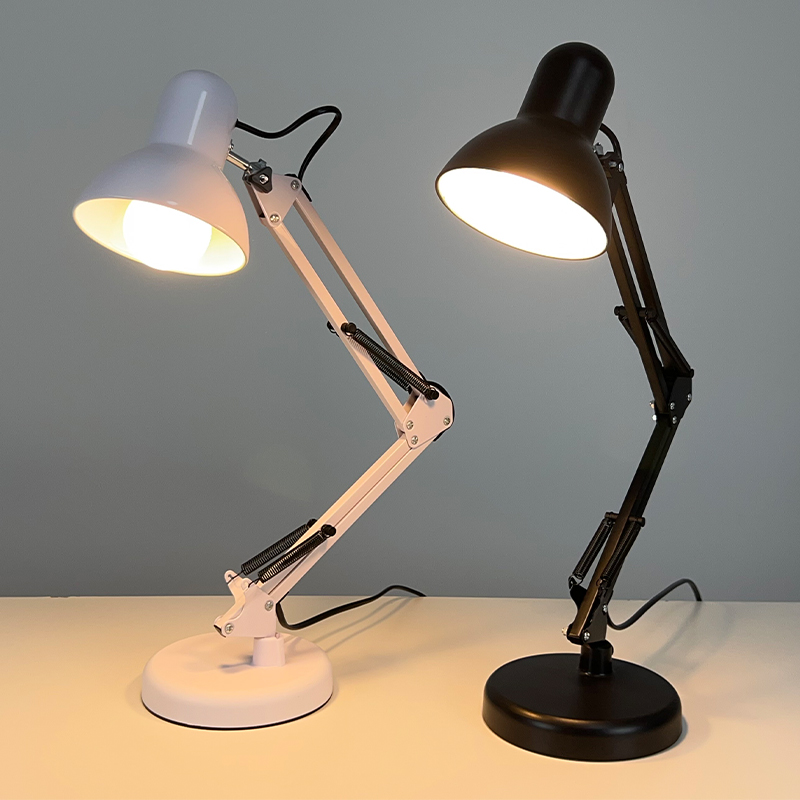
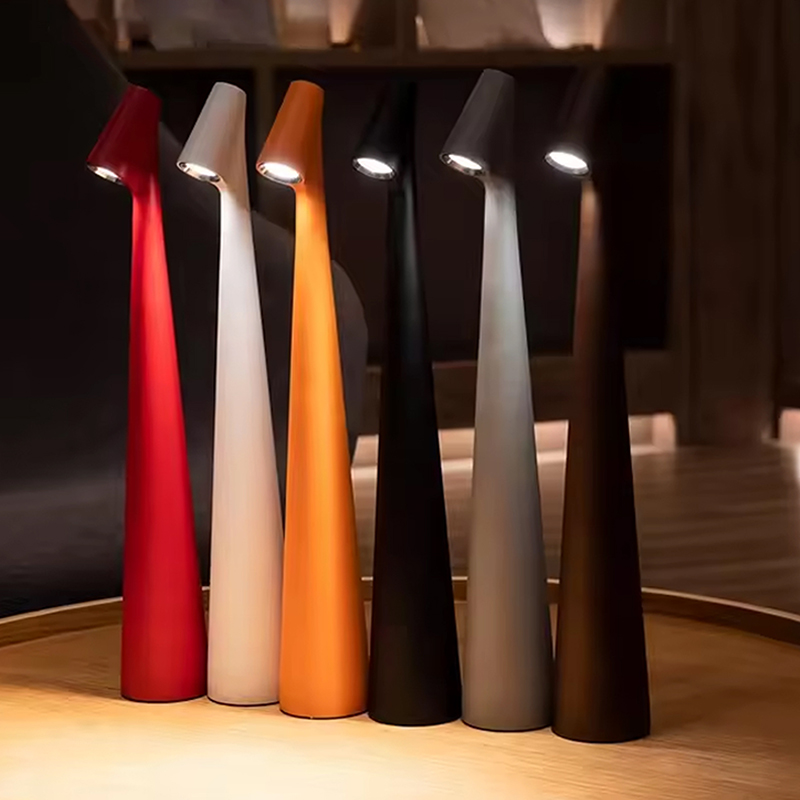
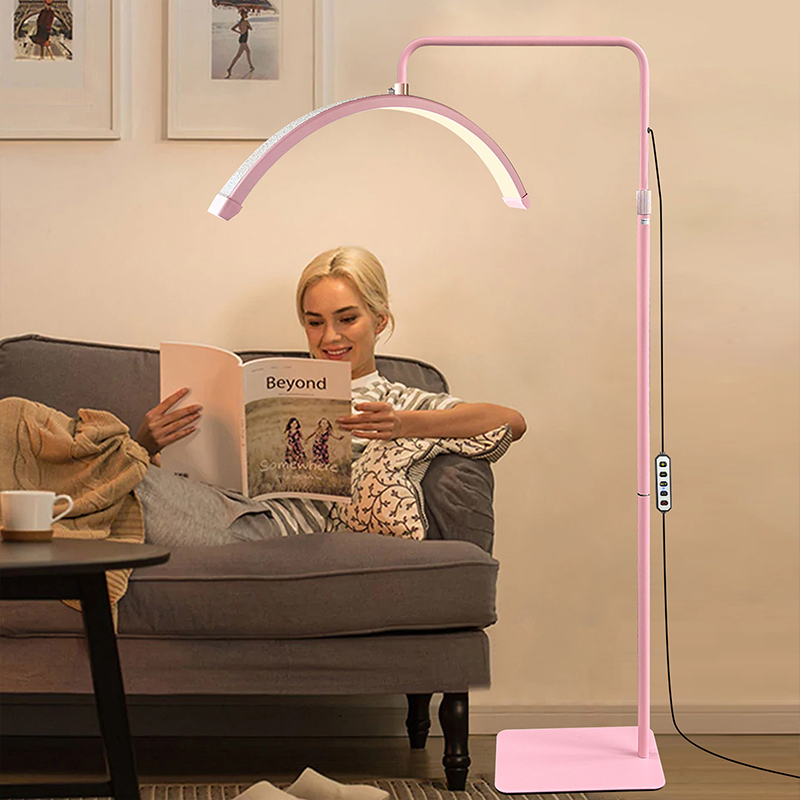
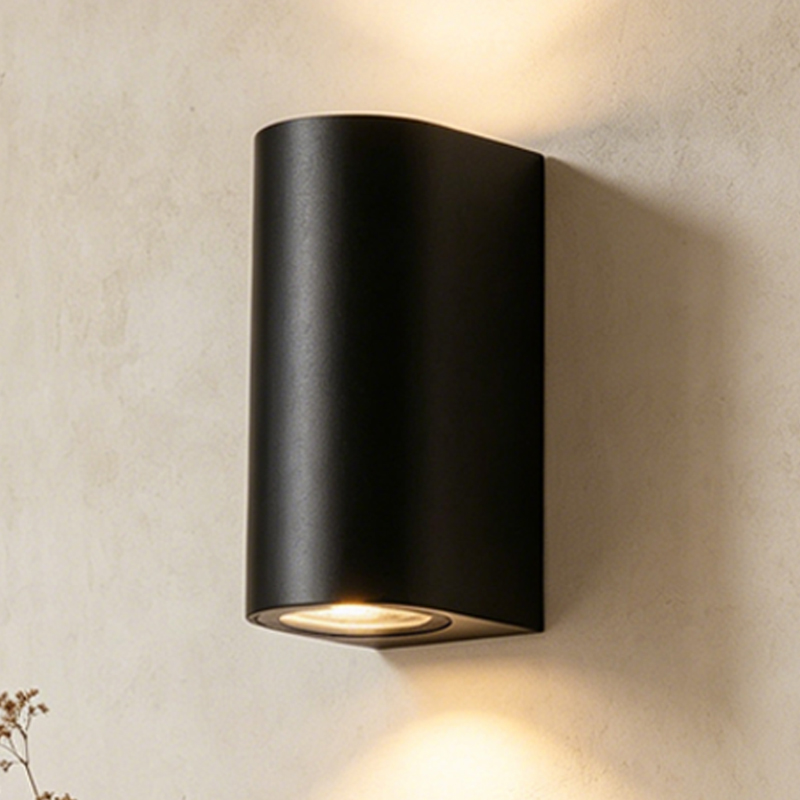
We provide desk, table, floor, wall and ceiling sensor lights, plus solar indoor-compatible models tailored for residential and commercial spaces.
Yes. Our sensor lights carry CE, UL and ERP certifications, and we follow TUV/BSCI management standards for compliant global distribution.
Absolutely. Our sensor lights are designed for retailers and commercial use, meeting regulatory standards and suitable for large-scale procurement.
Most models include adjustable motion sensitivity, range and auto-off timers; exact features depend on the specific model—check the product specification sheet.
We offer warranty coverage and technical support for manufacturing defects. Contact our customer service with model and purchase details for prompt assistance.

Get a Free Quote

Our representative will contact you soon.
0/1000