Cost Factors in Solar Street Lighting Solutions

application/solar-street, application/solar-street, 
Inquiry
Inquiry

solar street

Solar street lighting  solutions offer  a sustainable and efficient way  to illuminate  public  spaces,  roadways,  and urban environments. As a B2B buyer, you may have  concerns regarding  costs,  installation, application suitability,  and  potential  issues with solar  street lights.  This  article  will address these  key considerations, helping you make  informed decisions when sourcing solar street lighting  solutions.

Installation Guidance for Efficient Solar Street Lighting

Proper installation is crucial for the effective performance of solar street lights. Here  are  some key considerations:

Site Assessment: Before  installation,  conduct a thorough site assessment to determine the optimal locations for the lights. Factors to consider include sunlight exposure, shading  from nearby structures or trees, and the intended illumination area.

Mounting Height: The height at which the solar street lights are mounted can significantly impact their performance. A general guideline is  to install lights at a height of  10 to 15 feet to  ensure adequate illumination while minimizing the  risk of vandalism.

Angle and Orientation: Solar panels should be positioned to capture maximum sunlight, typically  facing  south in the northern hemisphere. The angle of the  panels should  also be adjusted based on geographical location to optimize solar energy absorption.

Electrical Considerations: Ensure that  all  wiring and connections are weatherproof  and comply with local regulations. Proper grounding is essential to protect against  electrical surges.

Testing: After installation, conduct thorough testing to ensure that the systems are functioning correctly. This includes verifying the charging capability during the day  and the illumination levels at night.

Following these guidelines will help you achieve  optimal performance from your solar street lighting  solutions and ensure a successful installation.

Applications of Solar Street Lights in Urban Settings

Solar street lights are versatile and can be applied in a variety of urban settings. Some  common applications include:

Roadways  and Highways: Solar street lights can enhance safety on roadways and highways by providing consistent illumination, making it easier for drivers and pedestrians to navigate  at night.

Parks and Recreational Areas: These lights  can illuminate parks, walking trails, and playgrounds,  creating a  safer environment for families and  encouraging late-night  activities.


Parking Lots: Solar street  lights can be strategically placed in parking lots to enhance security and visibility, deterring potential  criminal activity.

Residential Areas: Installing solar lights in residential neighborhoods can improve  safety  and aesthetics, promoting  a sense  of  community and comfort.

Public Transit Stops: Solar lighting at bus  stops and train stations can  enhance safety for commuters waiting for public transportation, making travel more accessible and secure.

By understanding the various applications of solar street lights, you can select the best solutions for your specific urban needs.

Common Problems with Solar Street Lights and Effective Solutions

While solar  street lights are  generally reliable,  they can encounter some common issues. Here are a  few problems and their potential solutions:

Insufficient  Charging: If solar lights do not receive adequate sunlight due  to shading or improper orientation, they may fail to charge fully. Regular site assessments and adjustments to the angle of the solar panels can help mitigate this issue.

Battery Failure: Batteries may degrade over  time, leading to reduced performance or failure. Opt for high-quality, durable batteries  and consider a maintenance schedule to  monitor their condition.

Dim  or Flickering Lights: If  lights  are dim  or flickering, it may indicate low battery charge or faulty connections. Conduct a thorough  inspection of the wiring and connections and replace any worn components as needed.

Contamination on  Solar Panels: Dust, dirt, or snow accumulation  can hinder the solar panels’ ability to charge effectively.  Regular cleaning and maintenance will ensure optimal performance.

Installation Errors: Improper installation can lead to  various operational issues. Ensure that installation guidelines are followed closely and consider hiring experienced professionals for complex installations.

By  being proactive in addressing these common problems, you can enhance the reliability and performance of your solar street  lighting systems.

Where to Source Bulk Orders of Solar Street Lighting Solutions

When sourcing bulk orders of  solar  street lighting solutions, consider the following steps to ensure you find a  reliable supplier:


Evaluate Supplier Credentials: Look for manufacturers with relevant certifications, such as CE, UL, ERP, TUV, and  BSCI. These certifications indicate compliance with international standards for safety and quality.


Assess Product Offerings: Review the supplier's range  of solar street lights  to ensure they meet your specific requirements in terms of specifications, materials, and customization options.

Request  Samples: Before placing bulk orders, request samples to  evaluate the quality and performance of the products. Testing samples under real-world conditions can provide insight into how they will perform in your application.

Check Production Capacity: Ensure that the manufacturer can meet your order volume and delivery timelines.  Understanding their production capabilities will help avoid delays and ensure consistent supply.

Compare Pricing and Terms: Obtain quotes  from  multiple suppliers and  compare  pricing, payment  terms, and lead times. Remember to factor in shipping costs and potential  import  duties  for international orders.


By following these steps, you can successfully source high-quality solar street lighting solutions that meet your operational needs and budget constraints.

Comparing Cost Factors for Solar Street Lighting Solutions

When evaluating solar street lighting solutions, the total cost encompasses more than just the initial purchase price. Key  cost factors include  the following:

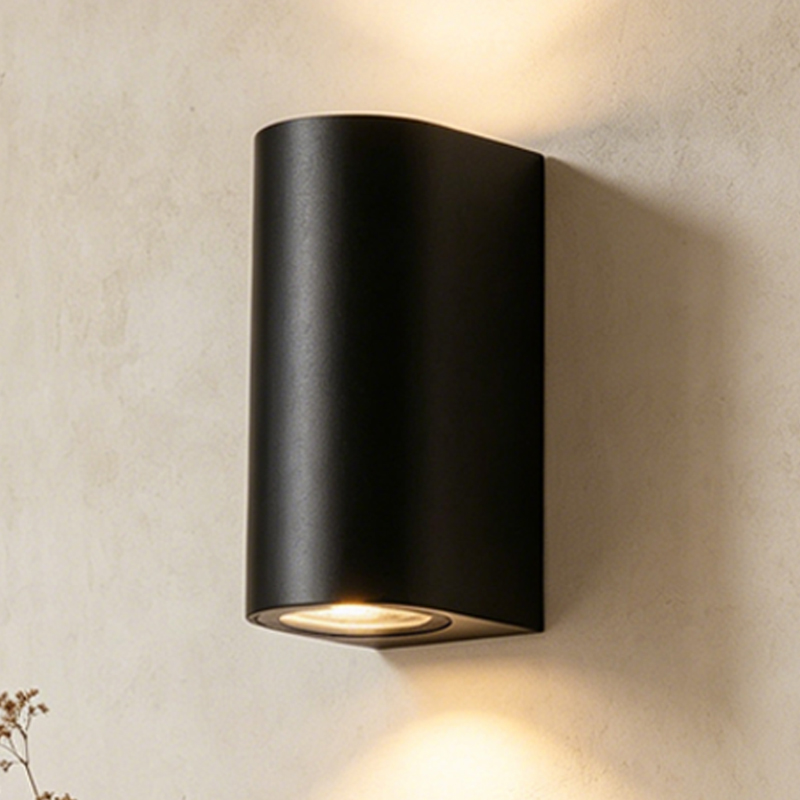
Initial Investment: The upfront cost of solar street lights can vary significantly based on specifications  such as lumen output, battery capacity, and  materials used. Higher-quality components may result in a higher initial price but can lead  to long-term savings due to reduced maintenance and energy  costs. For example, options like the IP65 Waterproof LED Wall Light 12W Up Down Outdoor Aluminum Sconce can be a great investment.

Installation Expenses: Installation costs depend on the complexity  of the project and the existing infrastructure. If extensive  site preparation is necessary or if you require specialized installation services, these can  add to your overall  expenditure.

Operating Costs: One of the main advantages of solar street lights is  their low operating costs. Solar lights require minimal maintenance, and with  no reliance  on electricity from the grid, you can significantly reduce  energy  bills. However, consider potential battery replacements and their costs over  time.

Longevity and Warranty: A longer product lifespan can justify a higher initial cost. Products backed by robust warranties may also provide peace of mind regarding performance and reliability, making them a worthwhile investment. Additionally, exploring options like the LED Wall Light IP65 Aluminum Outdoor Up Down Light could be beneficial.

By  understanding these cost factors, you can better assess the value of solar street lighting  solutions and choose options that align with your budget and operational  needs.

Frequently Asked Questions

What is the main use of the solar street light?

Designed for outdoor roadway and pathway illumination, the solar street light provides autonomous lighting using built-in solar panels and batteries, ideal for streets, parks, and parking areas.
The solar street light meets CE, UL, and ERP standards and is produced under TUV and BSCI management systems for compliant global distribution.
It is powered by integrated solar panels charging internal batteries; typical runtime depends on model and sunlight but generally provides dusk-to-dawn operation after full daytime charging.
Yes. We provide tailored specifications, packaging, and compliant bulk supply suitable for global retail chains and large projects.
We offer manufacturer warranty and after-sales support covering defects and technical assistance; terms vary by model and order—contact our sales team for details.

Get a Free Quote

Our representative will contact you soon.
0/1000