Key Considerations for Table Lamps in Living Rooms

application/table-lamp-for-living-room, application/table-lamp-for-living-room, 
Inquiry
Inquiry

table lamp for living room

Table lamps for living rooms are  not  just  functional  light sources; they  are integral design elements  that enhance the  aesthetics  and ambiance of a space. For B2B buyers—such as  purchasing managers, interior designers, and retailers—understanding  the  nuances of these lamps is crucial for making  informed  purchasing decisions.  This article will guide you  through essential specifications, quality and cost  comparisons, installation guidance,  common  issues, and the applications of table lamps in modern living  room  designs.

Compare Quality and Cost Factors in Living Room Table Lamps

Quality and cost are often intertwined when selecting table lamps for living rooms. Buyers should weigh the following factors:

Material Quality: Higher-quality materials may lead to a higher upfront cost  but can offer better durability and aesthetic appeal.  For example, solid wood  bases are often sturdier than their composite counterparts.

Production Techniques: The manufacturing  process can significantly impact  the  final cost. For instance, lamps crafted with advanced automation may  be more consistent in quality but could also  carry a  higher price tag due  to initial setup costs.

Volume Discounts: Purchasing in  bulk can often yield  favorable pricing. Buyers  should inquire about minimum order quantities (MOQ) and any  potential discounts for larger orders. If you're looking to purchase in bulk, consider our Solar Patio Light for outdoor spaces.

Supplier Reputation: Established manufacturers with a  track record of quality assurance and customer satisfaction may command higher  prices. However, this often correlates with a reduced risk of defects and  improved after-sales support.

Design Complexity: Intricate designs or custom  features may increase production  time and costs. Buyers should assess whether the additional cost aligns with their target market’s expectations.

Installation Guidance for Table Lamps in Residential Projects

Proper installation of table lamps is essential to  ensure safety and optimal performance. Here are some considerations:

Location Planning: Lamps should be placed in locations that provide  adequate illumination for the  intended activity, such as reading or entertaining.  Consider proximity to power outlets and potential obstructions.

Height Considerations: The ideal height for a table lamp is  usually  around 58 to 64 inches from the floor to the  top of the shade when placed on a table  or side table. This height ensures efficient light distribution  without causing glare.

Cord Management: Managing cords  effectively can prevent tripping hazards  and maintain a  neat appearance. Buyers may  want to consider lamps with built-in cord management  solutions or recommend accessories for cord concealment.

Testing Before  Installation: It is advisable to test lamps for functionality, such as checking the switch mechanism and ensuring the bulb fits correctly, before  final installation.  This step can prevent potential  issues during usage.

Common Problems with Table Lamps and Effective Solutions

Buyers should be aware  of common issues that can arise with table lamps and how to address them:

Flickering Bulbs: This can be caused by  a  loose  bulb or a faulty switch. Buyers should ensure that bulbs are securely fitted and consider testing different bulb types if  flickering persists.

Overheating:  Some lamps may overheat, particularly if they  use high-wattage bulbs. Ensure that  the lamp is  compatible with the bulb  wattage and consider recommending LED bulbs that emit less heat.

Stability: If  a lamp is unstable or tips  easily, it  may  not be suitable for  family environments. Suggesting weighted bases or broader designs can  improve stability.

Shade Issues: Shades can become discolored  or damaged over time. Buyers should consider materials that  are  easy to clean  or replace and provide options for shade customization.

Applications of Table Lamps in Modern Living Room Designs

Table lamps serve  various roles in modern living room designs, including:

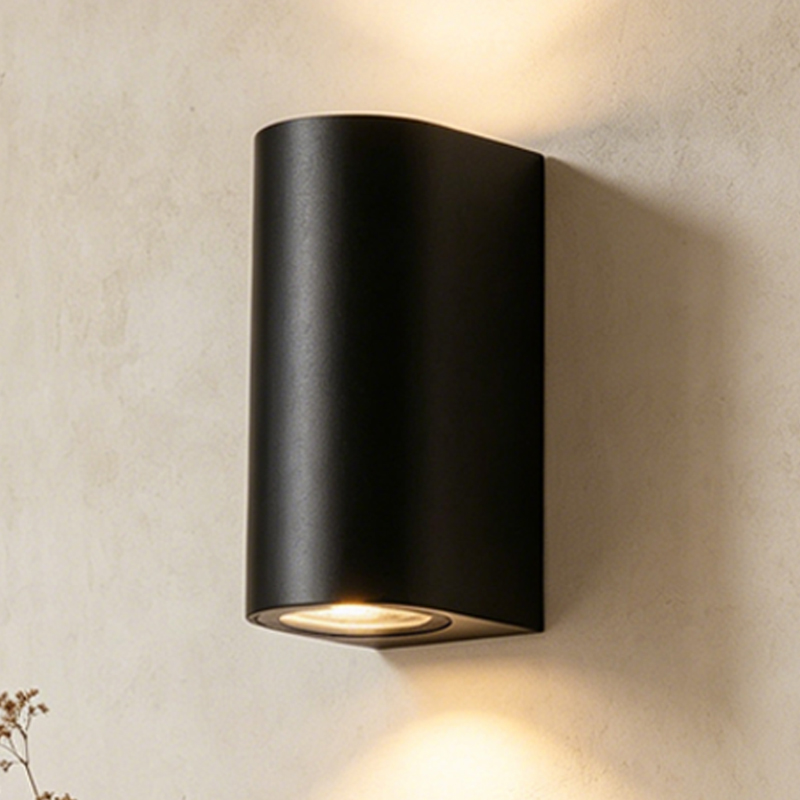
Accent Lighting: They can highlight specific  areas or decor pieces, enhancing the overall design aesthetic.  Strategic  placement can  create focal points within a room.

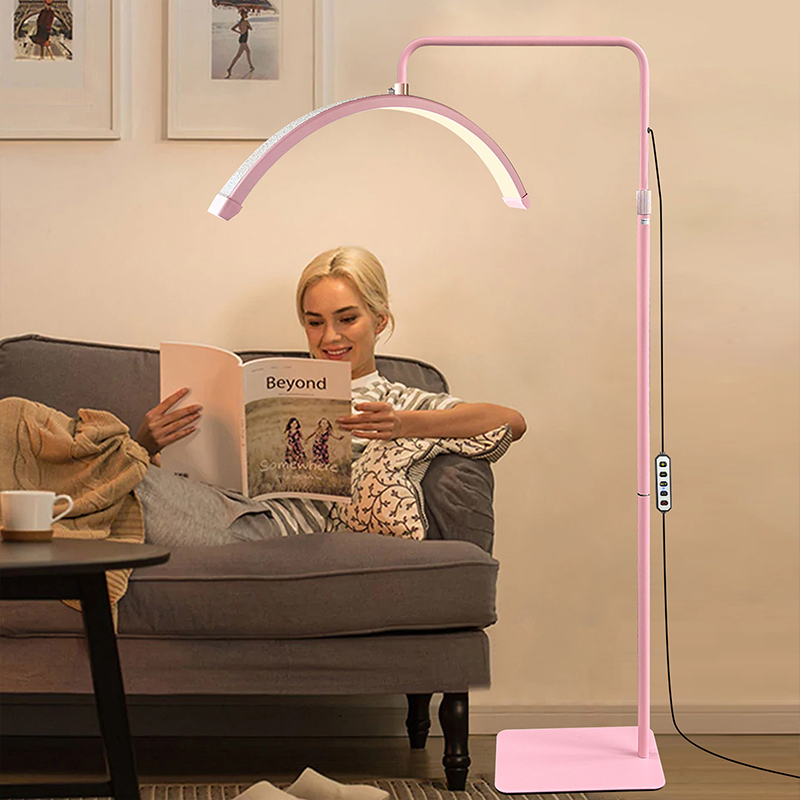
Task Lighting: They provide necessary light for specific tasks like reading or working on a laptop.  Buyers should select lamps with adjustable brightness settings or  focused light distribution for these purposes.

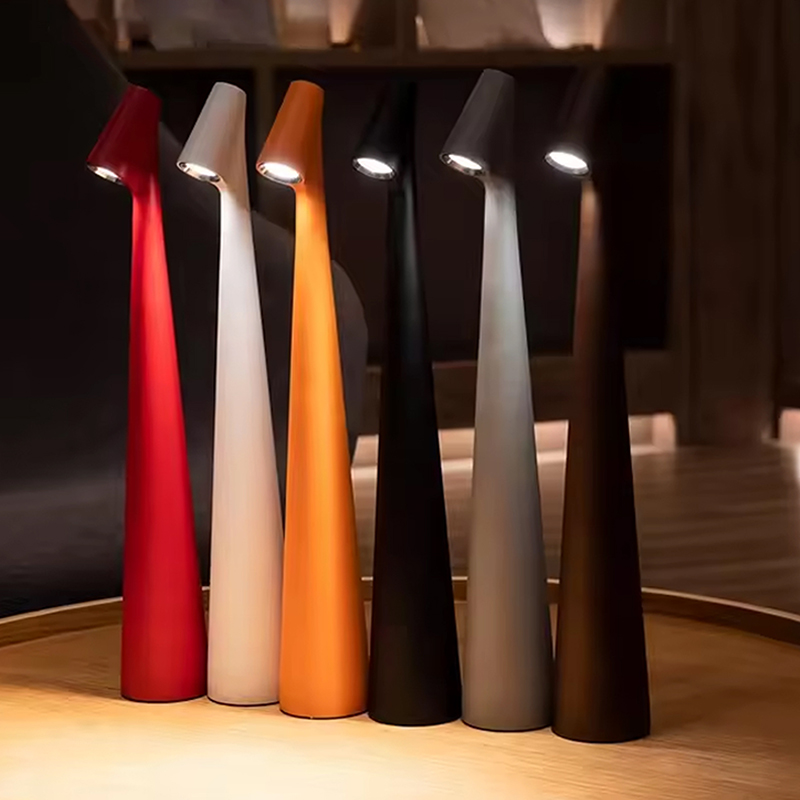
Decorative Elements: Beyond their functional use, table lamps can be stylish decor  pieces that complement the room's color scheme  and  furniture style.  Manufacturers often offer a variety of designs  to cater to different tastes.

Layered Lighting: Incorporating table lamps allows for layered lighting designs, combining ambient, task, and accent lighting, which can create a more inviting and  versatile living space.

By understanding these aspects of table lamps, B2B buyers  can  make informed decisions that enhance their offerings  and meet customer expectations effectively. Whether selecting lamps for direct retail,  interior  projects, or bulk orders, each consideration plays a crucial role in the overall success  of the purchase.

Key Specifications to Consider for Table Lamps for Wholesale Orders

When evaluating table lamps for wholesale orders, several key specifications should  be considered to ensure they meet both aesthetic and functional  requirements. 

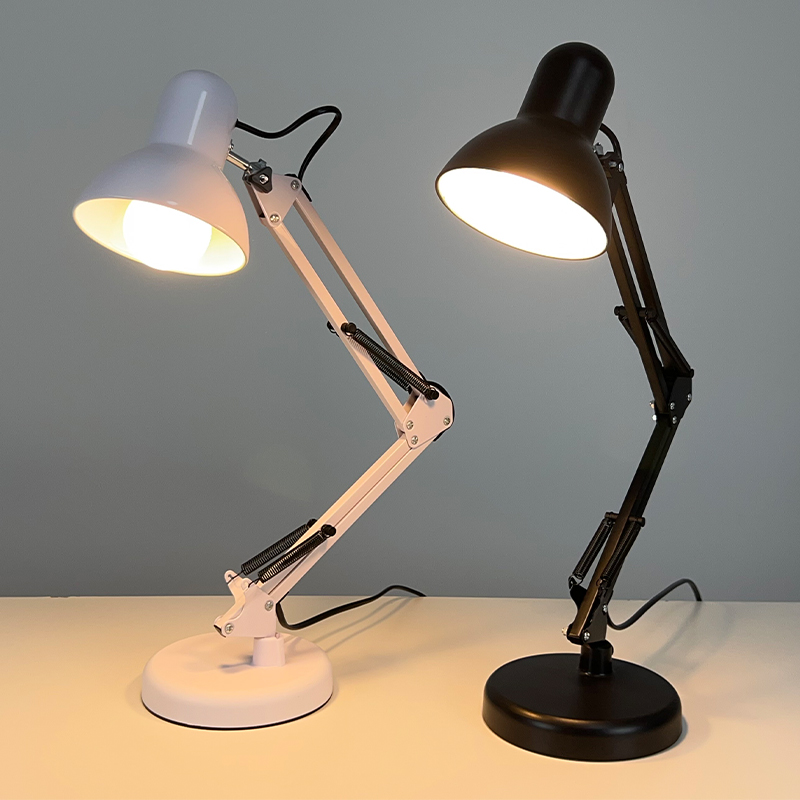
Dimensions: The height, width, and depth of the  lamp  should align with the intended space and furniture. A lamp that is too tall or short can disrupt the visual balance of a room.

Material: Common materials include metal, glass, or ceramic. Each material affects the lamp's durability and style. For instance, glass  lamps can provide a modern aesthetic but may require  more careful handling compared to  metal options. If you're looking for a stylish addition, consider our Solar Lamp options that blend functionality with design.

Wattage and Bulb Type: Depending on the intended use, lamps may require specific wattage or  bulb types (e.g.,  LED, incandescent). LED bulbs are energy-efficient and have a longer lifespan,  which can lower long-term costs for buyers.

Switch Type: The mechanism for turning the lamp on and off can vary. Options include rotary switches,  touch sensors, or pull chains. Buyers should  consider user convenience and accessibility.

Certifications: Compliance with safety and energy standards,  such as CE or UL certifications, can  impact marketability. These certifications assure  buyers of the product’s safety and reliability.

Customization Options: Many manufacturers,  like iGUANGZHOU I-ESSENCE ELECTRIC CO., LTD., offer customization in terms of color, design, and features,  catering  to specific market demands.

Frequently Asked Questions

What sizes and styles are available for the table lamp?

We offer a variety of sizes and styles for living room table lamps, including modern, classic, and minimalist designs to fit different décor and table sizes.
Yes. Our table lamps carry CE/UL/ERP certifications and are produced under TUV/BSCI management to meet global safety and energy standards.
Many of our table lamps support dimmable bulbs and are compatible with common dimmer switches; smart control compatibility depends on the lamp model and bulb type.
We provide manufacturer support and warranty details with each lamp; contact our customer service for specific warranty periods and assistance.
Yes. We manufacture lighting solutions for global retailers and can supply bulk orders for retail partners with compliant documentation and certifications.

Get a Free Quote

Our representative will contact you soon.
0/1000