EN
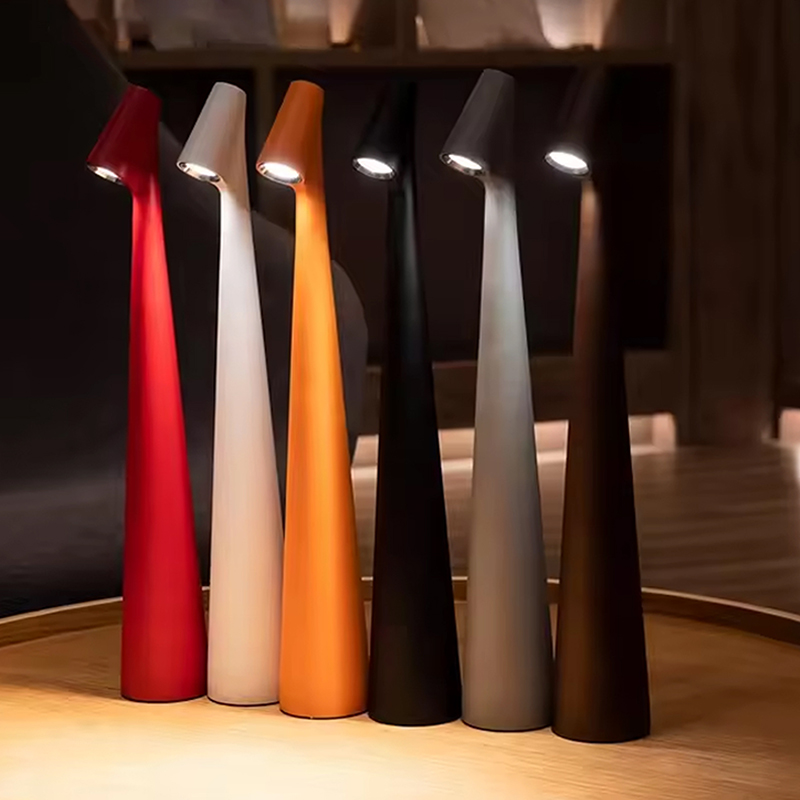
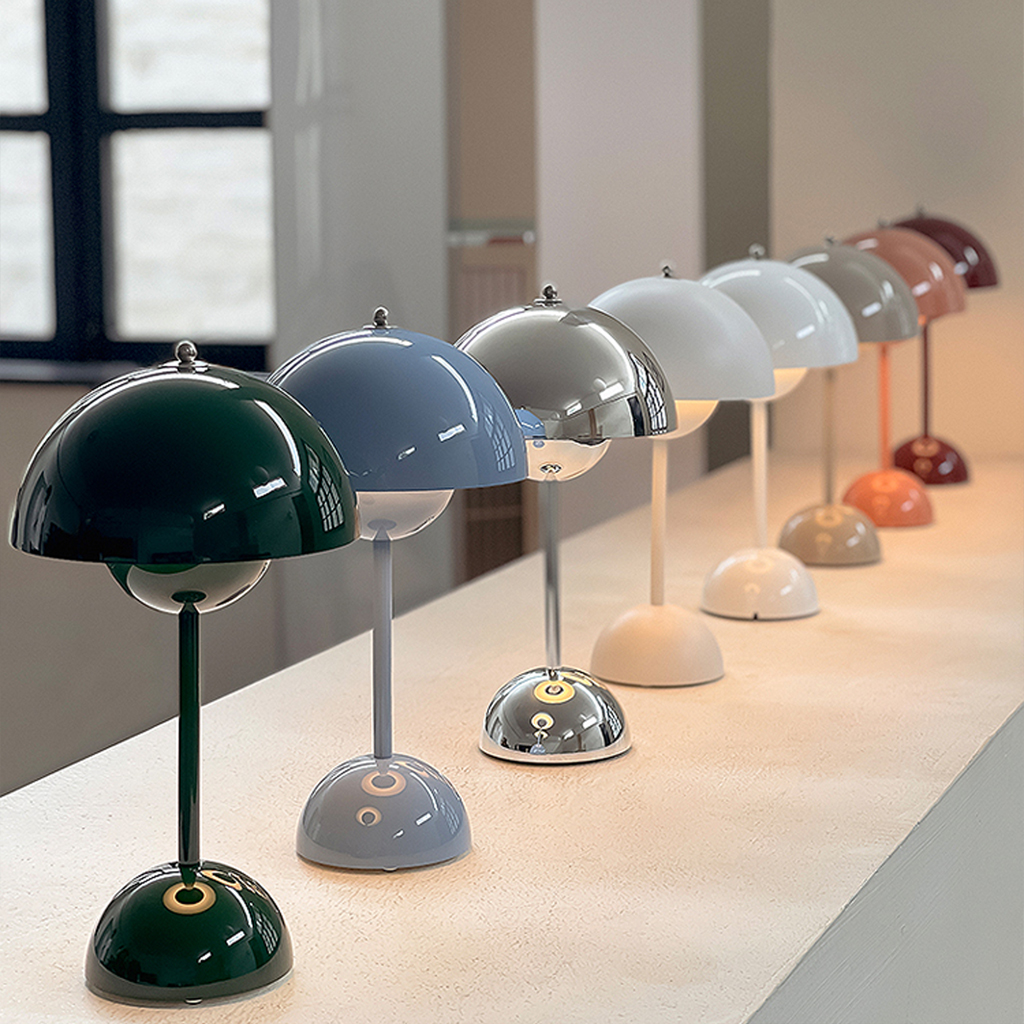
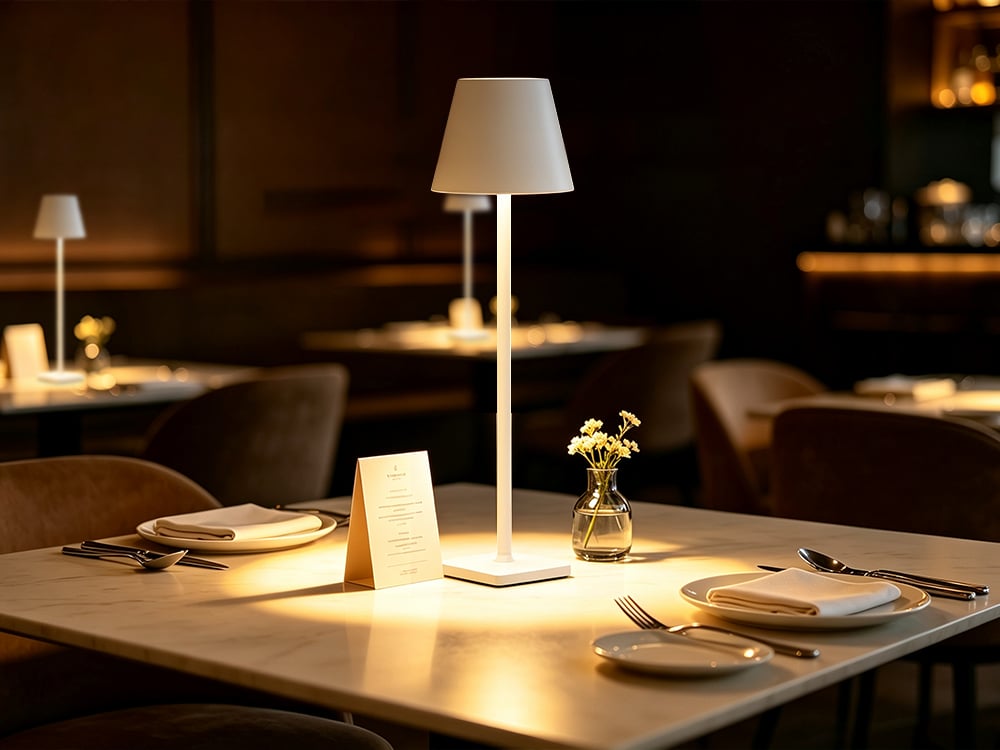
Restaurant Lighting Design: How to Source Table Lamps That Drive Repeat Business
2026/07/28
Discover how to source table lamps that enhance ambiance and drive repeat business in your restaurant.
2026/07/15
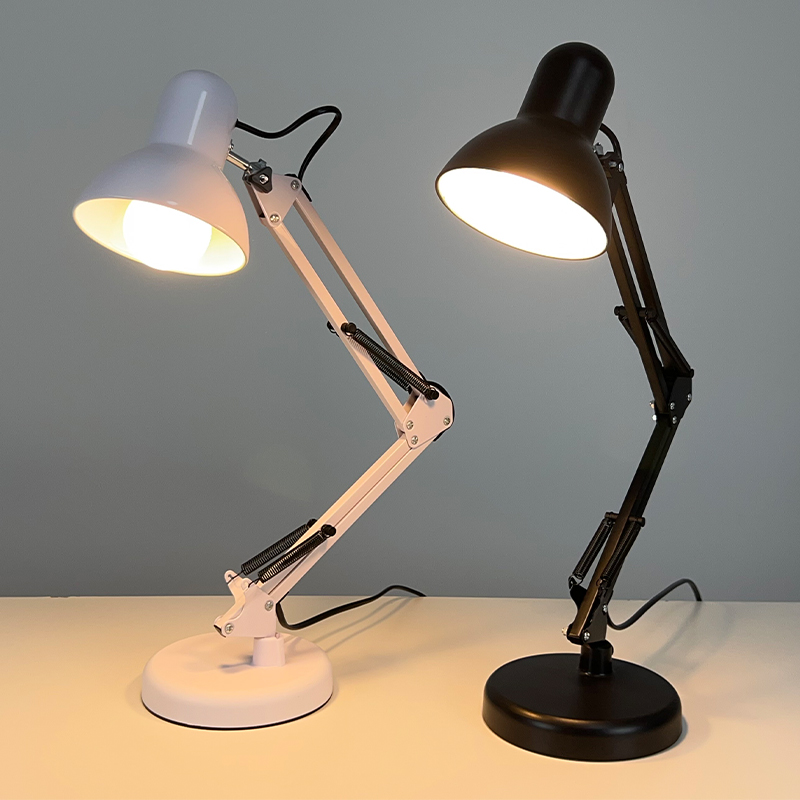
The global LED desk lamp market is projected to reach $8.7 billion by 2027, driven by the surge in remote work, home office setups, and growing consumer awareness of eye health. For Amazon sellers, Shopify store owners, and independent e-commerce brands, choosing the right manufacturer isn't just about price—it's about building a supply chain that scales with your business.
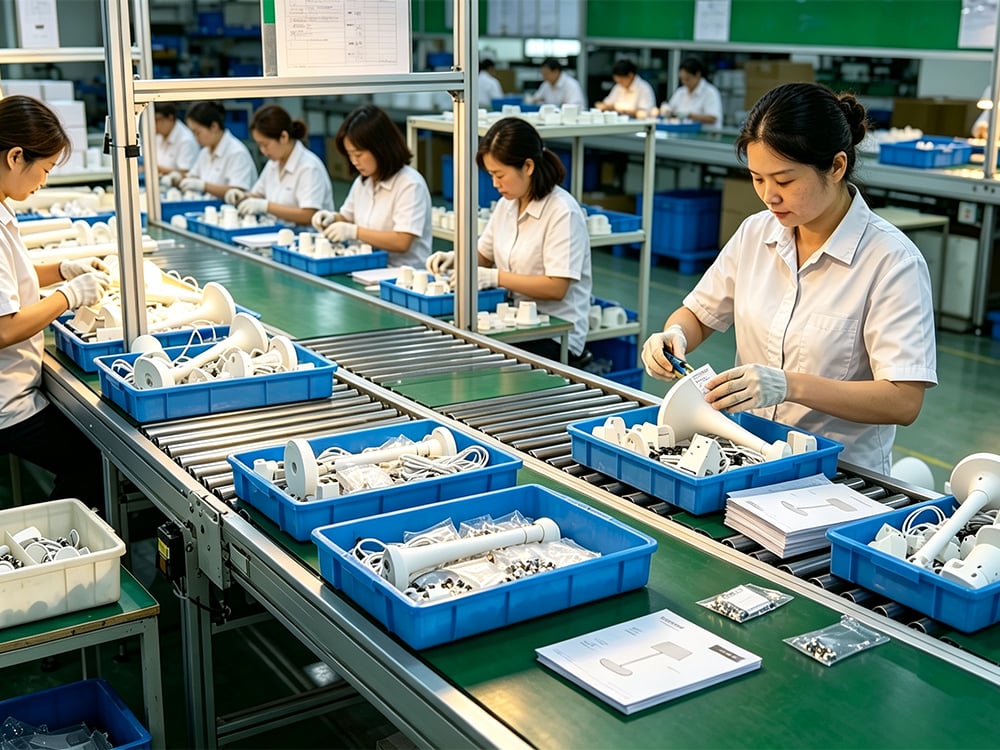
Before you even contact a manufacturer, understand what your end customers want. In 2026, the top trends in desk lamps include:
Eye-care technology: Consumers actively search for "flicker-free," "no blue light hazard," and "RG0 certified" lamps. Products marketed with these features command 15-20% price premiums.
Multi-functionality: USB charging ports, wireless charging pads, and adjustable color temperatures (2700K-6500K) are now baseline expectations, not premium add-ons.
Aesthetic minimalism: Scandinavian and Japanese minimalist designs dominate Pinterest and Instagram, driving purchase decisions for home office decor.
If your manufacturer can't deliver on these trends, your listings will fall behind competitors who can.
1. Certifications That Match Your Target Market
Selling in the EU? You need CE marking, ERP energy efficiency compliance, and RoHS/REACH documentation. Targeting North America? ETL or UL certification is mandatory for most states. A reliable manufacturer should have these ready—not promise to "get them later." At i-Essence, every LED desk lamp ships with complete certification packages, saving you 4-6 weeks of back-and-forth documentation.
2. Sample Quality = Mass Production Quality
The oldest trap in sourcing: perfect samples, inconsistent bulk orders. Demand to see batch production records, AQL inspection reports, and color consistency data (ΔE<3 is the industry gold standard). Ask for references from other e-commerce clients who've reordered multiple times. Our Dutch e-commerce partner started with 3,000 units in late 2023 and now runs 30+ SKUs—because every batch matches the approved sample.
3. Flexible MOQ for Market Testing
You don't need 5,000 units to test a new design. Look for manufacturers offering 50-300 piece MOQs for initial orders. This lets you validate market demand before committing capital. i-Essence's sample-to-scale model starts at 100 pieces, with seamless ramp-up to container loads once your product proves itself.
4. Amazon-Ready Packaging and Labeling
FBA compliance isn't optional—it's survival. Your manufacturer should provide retail-ready packaging with proper barcodes, suffocation warnings (for polybags), and drop-test certified cartons. We handle FNSKU labeling, custom inserts, and even A+ content photography to accelerate your time-to-market.
5. Speed to Market
In e-commerce, speed kills competition. A manufacturer who takes 60 days to deliver samples will cost you the entire Q4 selling season. Our standard sample lead time is 3-7 days, with mass production completing in 30-45 days depending on order volume.
No factory audit reports: If they won't share BSCI, Sedex, or ISO 9001 documentation, walk away.
Vague about sub-suppliers: Who makes their LED drivers? Their chips? Transparency matters.
Communication gaps: 24-hour response time should be standard, not a luxury.
The best manufacturer relationships evolve into strategic partnerships. When our Dutch client wanted to expand from restaurant lamps into reading lamps in mid-2025, we provided European market trend data, competitor analysis, and pre-validated designs. They trusted our recommendation because every previous suggestion had delivered results.
Your manufacturer should be your eyes and ears in the market—not just your production line.
Choosing an LED desk lamp manufacturer is a strategic decision that impacts your brand reputation, review ratings, and profit margins. Prioritize certification readiness, quality consistency, flexible MOQs, and partnership mentality over the lowest quoted price. The $0.50 you save per unit today could cost you thousands in returns, negative reviews, and delisted products tomorrow.
2026/07/28
Discover how to source table lamps that enhance ambiance and drive repeat business in your restaurant.
2026/07/22
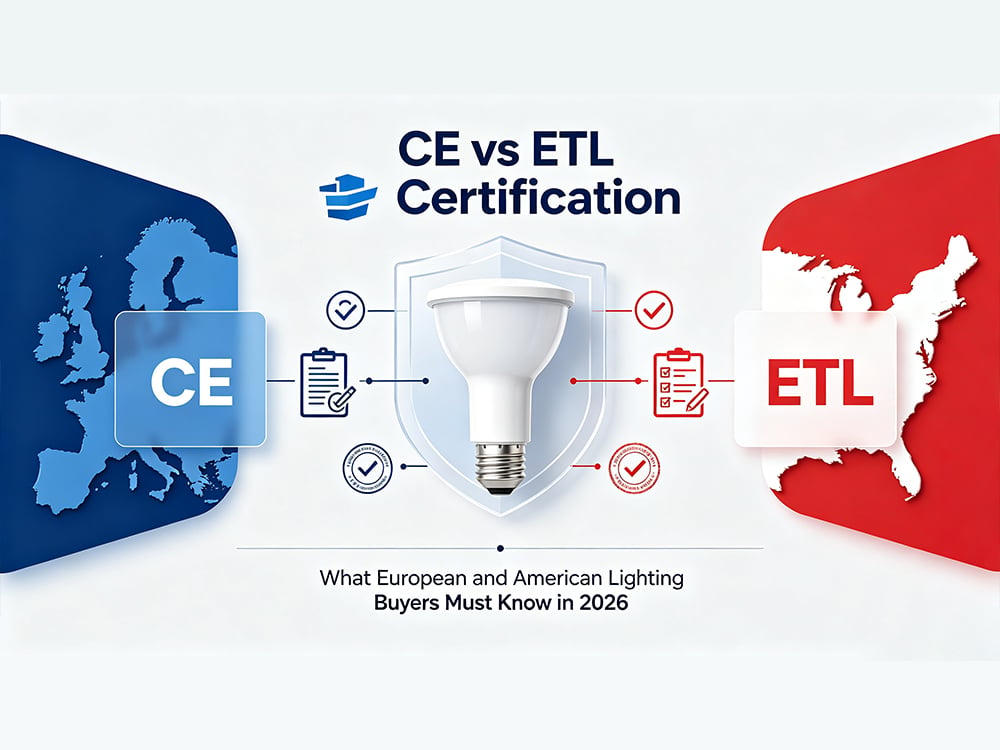
Discover essential differences between CE and ETL certifications for lighting buyers in 2026. Stay informed with I-ESSENCE.