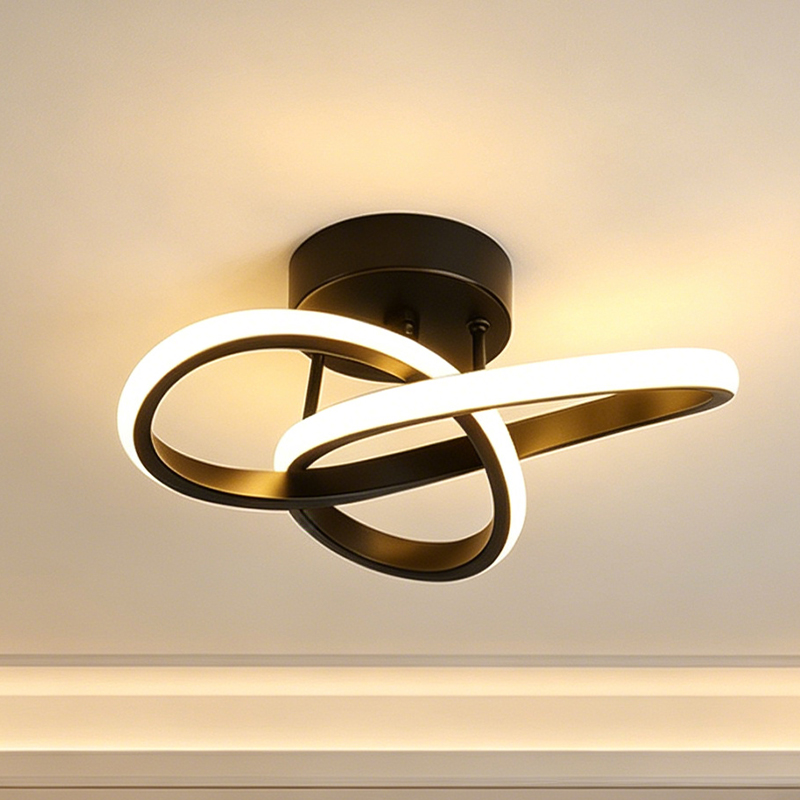
Evaluating LED Ceiling Lights for Wholesale Buyers

application/led-ceiling-light, application/led-ceiling-light, 
Inquiry
Inquiry

led ceiling light

LED  ceiling  lights are an essential component in  modern commercial  and industrial spaces, providing efficient, high-quality illumination. For B2B buyers, especially purchasing  managers and contractors, understanding the intricacies  of these lighting  solutions is  crucial  to  making  informed purchasing decisions. This article will guide you through  evaluating  quality, key specifications,  cost  factors, best practices,  and common  problems  associated  with LED ceiling lights, empowering you to select the  best products for your requirements.

Key Specifications of LED Ceiling Lights for Contractors

For contractors, understanding key specifications of LED ceiling lights is vital for successful  installation and performance. Key specifications include:

Lumen Output: This  measures the total amount of visible light emitted by  the fixture. Depending on the application, such as offices or warehouses,  the required lumen  output will vary.  For instance, a workspace may require  around 300-500 lumens per square meter.

Color Temperature: Measured in  Kelvin (K), color  temperature affects the ambiance  of a space. Warmer temperatures (2700K-3000K) are suitable for residential areas, while  cooler temperatures (4000K-5000K) work better in commercial spaces for enhancing focus and productivity.

Wattage:  This indicates energy consumption. Opt for  LED lights that provide the desired brightness while consuming less wattage, leading to energy savings over time.

Beam Angle: The  beam angle  determines how concentrated the light is. A narrow beam angle is ideal for spot lighting, while wider angles are better for general illumination.

Lifespan: The rated lifespan of LED ceiling  lights typically ranges from 25,000 to 50,000 hours. Selecting products with a longer  lifespan can reduce replacement costs and maintenance efforts.

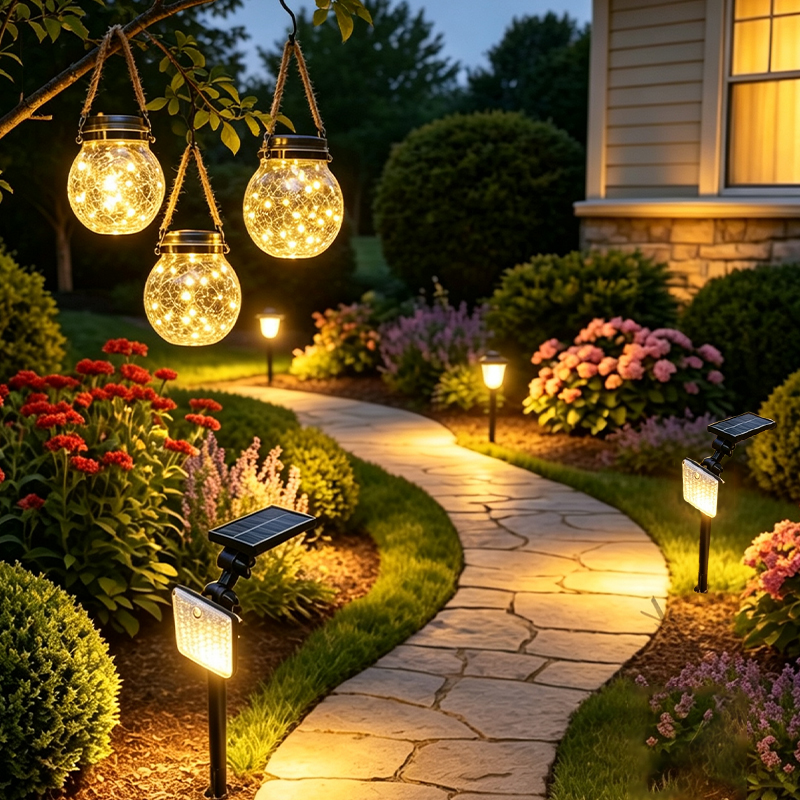
Understanding these specifications  helps contractors choose  the right products for their projects, ensuring optimal  performance and satisfaction for end-users. Additionally, incorporating energy-efficient options, such as Solar Flood Light, can enhance both performance and sustainability.

Comparing Cost Factors for LED Ceiling Lights from Different Suppliers

Cost is a significant factor in selecting LED ceiling lights, and it can vary widely among suppliers due to several influencing  factors. First,  consider  material costs;  higher-quality materials typically lead to higher  prices but may  offer better durability  and performance.

Next,  investigate the manufacturing process. Suppliers that utilize advanced production  technologies and rigorous  quality control  may  charge more  for their products, but this often results in better reliability and efficiency.

Volume discounts also play a  crucial role in pricing.  Suppliers often offer lower unit prices for bulk orders, making it essential to evaluate  your purchasing needs carefully. Additionally, consider the total cost of ownership, which  includes energy savings, maintenance, and replacement costs over the  product's lifespan.

Lastly, assess the supplier’s reputation. Well-known manufacturers  with a  solid track record, such as iGUANGZHOU I-ESSENCE ELECTRIC CO., LTD., may have a higher initial cost but can provide peace of mind regarding quality and performance.

Best Practices

To ensure  a successful purchase and installation of LED ceiling lights,  adhere to the following best practices:


Request Samples: Before placing a bulk order, request  samples to  evaluate the quality  firsthand. Inspect the materials, finish, and light output to ensure they  meet your expectations.

Conduct a Photometric Analysis: For  larger installations, utilize photometric analysis to determine the best layout and placement for optimal illumination.


Confirm Specifications: Always verify that the specifications  match your project  requirements.  This includes lumen output, wattage, and color temperature.

Review Warranty and Support:  Check the warranty terms and customer support offered by the supplier. A  robust warranty indicates confidence  in the product and provides protection against defects.


Stay  Informed About  Industry Standards: Keep abreast of the latest  industry standards and regulations regarding energy efficiency and safety to ensure compliance in your  projects.

Common Problems with LED Ceiling Lights and Effective Solutions

Despite their advantages,  LED ceiling lights can present  challenges that buyers should  be aware of. Common problems include flickering, inadequate brightness, and color inconsistency. 

Flickering  can occur due to incompatible dimmers or voltage fluctuations. To mitigate this, ensure that the lighting fixtures are compatible with the dimmer switches used in the installation.

Inadequate brightness may result  from underestimating  lumen requirements for a given space.  Conducting a  thorough lighting plan with lumen  calculations  can help avoid this issue.

Color inconsistency can  arise from using different batches of LEDs. It’s advisable to order all fixtures from the  same batch or manufacturer to maintain uniformity in color temperature and quality.

Addressing these common problems proactively can help ensure a smoother installation process and enhance user  satisfaction with the product. By  understanding  these elements, buyers can  navigate the complexities of selecting LED ceiling lights, ensuring  that they make  informed decisions that align with  their operational needs and project goals.

How to Evaluate the Quality of LED Ceiling Lights for Wholesale

When assessing the  quality  of LED ceiling lights for wholesale, several critical factors must be considered. Firstly, look for  compliance certifications  such as CE, UL,  and ERP, which indicate that the lights meet international safety and efficiency standards. These certifications are essential for ensuring that the  products  you purchase are  reliable and  safe for use in various applications.

Additionally, the materials  used in the construction of  LED ceiling lights significantly impact their quality. High-quality aluminum or polycarbonate housings can enhance durability and heat dissipation, prolonging the lifespan of the  lights. It’s also important to evaluate the LED chip quality, as this affects brightness,  efficiency,  and color consistency. A reputable manufacturer like iGUANGZHOU I-ESSENCE ELECTRIC CO., LTD., which emphasizes quality control  processes, can provide assurance regarding the performance  and reliability of their products. For example, they offer a range of lighting solutions, including Solar Lamp, known for their efficiency and durability.

Moreover, consider the manufacturer's production capabilities  and experience in the industry. Companies with  a strong track record often  have established quality assurance  protocols that ensure each product meets strict performance standards.

Frequently Asked Questions

What are the main features of this LED ceiling light?

Energy-efficient LED chips, slim ceiling design, long lifespan, multiple lumen options, and compliant safety certifications (CE/UL/ERP). Ideal for residential and commercial spaces.
The LED ceiling light meets CE, UL, and ERP standards and is produced under TUV/BSCI management systems for quality and regulatory compliance.
Yes. We supply compliant lighting solutions to global retailers and can support bulk orders, custom packaging, and retailer-specific requirements.
We offer product warranties and dedicated after-sales support for defects and performance issues; specific terms depend on model and purchase agreement.
Yes. Models include dimmable versions and multiple color temperatures (warm to cool white); availability depends on specific model selection.

Get a Free Quote

Our representative will contact you soon.
0/1000