Cost Considerations for Buying Battery Wall Lights

application/battery-wall-lights, application/battery-wall-lights, 
Inquiry
Inquiry

battery wall lights

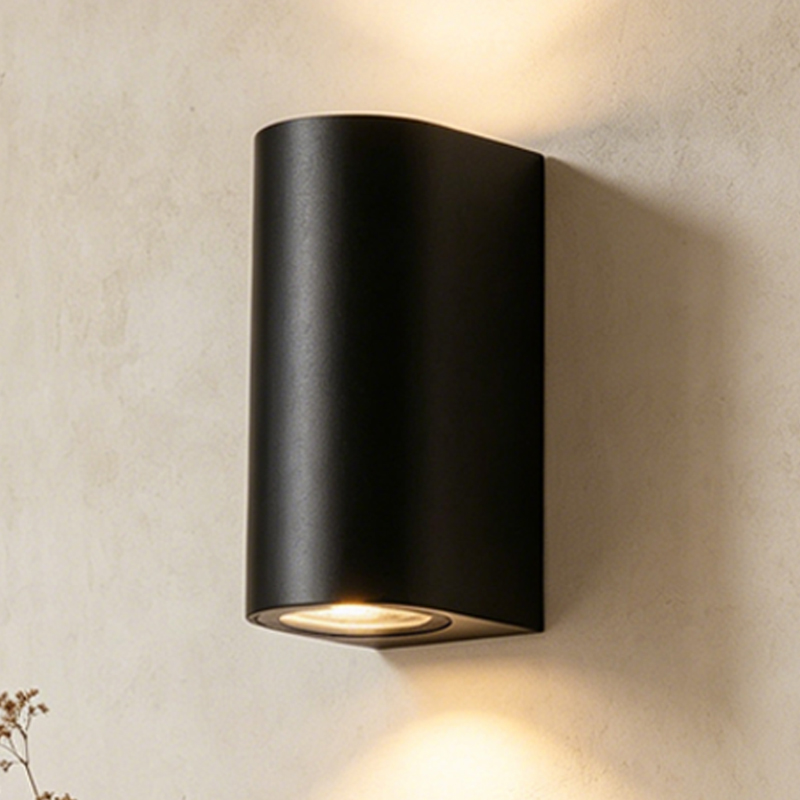
Battery wall lights  are  innovative  lighting  solutions that  operate without the  need  for electrical  outlets, making them ideal for various applications in both  residential and  commercial settings. As  a B2B buyer, you  may be concerned  about factors  such as  pricing, quality, and suitability for different environments.  This article will provide  insights into the essential considerations when purchasing battery  wall lights, along with practical advice for  contractors  and distributors.

Best Practices for Contractors

For contractors involved in  projects requiring battery wall lights, adhering to best practices  ensures successful  installations and client satisfaction. Firstly, it’s crucial  to assess the specific lighting needs of each project. Consider factors such as the intended use, ambient  lighting conditions, and aesthetic preferences of the client.

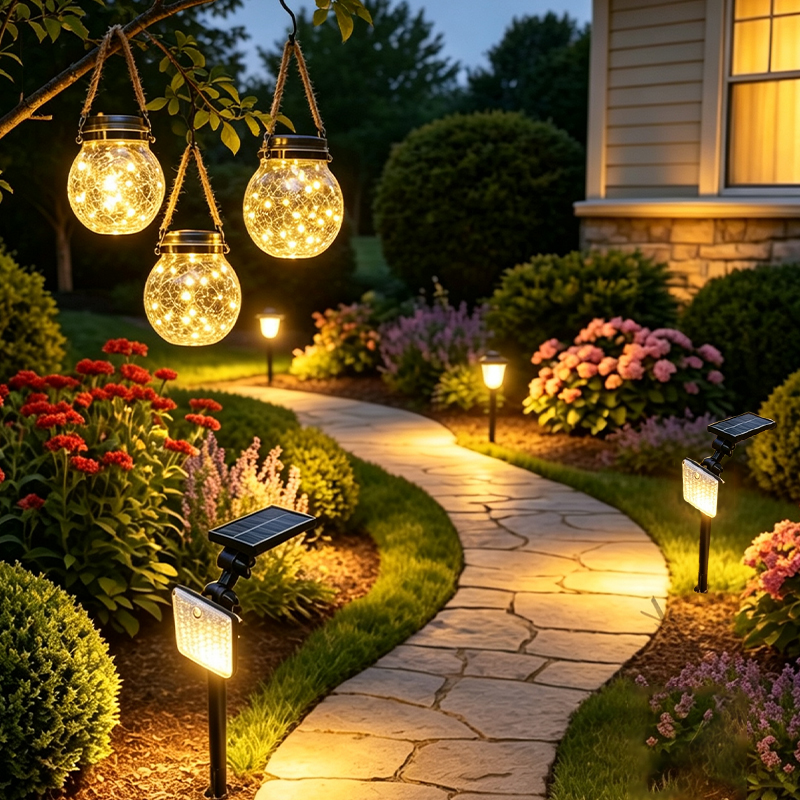
Once the requirements are established,  selecting the right model  becomes vital. Ensure that the chosen  battery wall lights offer adequate brightness (measured in lumens)  and appropriate color  temperature (measured in  Kelvin) to meet the client's  needs. Additionally, verify the battery life and charging options, as some models provide  rechargeable  capabilities, which can enhance convenience and reduce long-term costs. For instance, the Solar Patio Light is a great choice for outdoor projects.

Before installation, conduct  a thorough inspection of the product. Check for any  manufacturing defects and ensure that all components, including mounting  hardware, are included.  Following installation, provide clients with proper usage instructions and maintenance tips to  prolong the lifespan of the lights.


Features that Matter for Distributors

Distributors play a critical role  in the  supply chain for battery wall lights, and understanding the features that matter can enhance product offerings and customer satisfaction. One significant feature to consider is the versatility of the product. Battery wall lights should  be suitable for various  applications, including indoor and outdoor settings. Models with weather-resistant ratings  (e.g.,  IP65) are ideal for outdoor use, while more decorative  options may be better suited for indoor environments.

Another important feature is ease of installation. Products that come with clear instructions and all necessary mounting  hardware can  simplify the distribution process and reduce customer support inquiries. Additionally, consider offering a range of designs and finishes to cater to diverse customer preferences.


Quality assurance is  paramount. Ensure that the lights  meet international safety certifications such as CE, UL,  or TUV. These certifications not only assure customers  of product safety but also  enhance  your credibility as a distributor.

Finally, keep  an eye on emerging trends, such as smart  technology integration. Battery wall lights that can be controlled via  smartphone apps or voice commands are increasingly popular and could provide a competitive edge in the  market.

Common Problems with Battery Wall Lights and Their Effective Solutions

Despite  their benefits, battery wall lights can encounter common issues that  may affect their  performance and customer satisfaction. One prevalent problem is battery life—lights that frequently require battery replacements can frustrate users. To mitigate this, recommend models that offer long-lasting battery options, such as lithium-ion, and ensure users are informed about battery maintenance practices.

Another issue is inadequate brightness. Buyers may  underestimate the required lumen output, leading to unsatisfactory lighting. Contractors and distributors should educate customers  on calculating lighting  needs based on room size and  intended use,  ensuring they select models that provide  sufficient illumination.

Lastly,  consider installation challenges. If  lights are  difficult  to  mount or require complex wiring, customers may become dissatisfied. Providing clear installation  guides  and  support can alleviate  these concerns. In some cases,  offering installation services or partnerships with  local contractors can enhance the customer experience.

Versatile Solutions for Various Settings

Battery wall lights offer versatile solutions for a wide range of applications, making them an attractive option for both residential and commercial clients. In residential settings, these  lights can be used in hallways, bedrooms, or outdoor patios, providing flexible  lighting options without the  constraints of electrical  outlets.

For  commercial applications,  consider using battery wall lights in retail environments, where they can highlight merchandise or create ambiance without the need for extensive wiring. Additionally, in hospitality  settings, such as hotels and restaurants, these lights can enhance  guest experiences by providing ambient lighting  in outdoor dining  areas or pathways.

Given their portability,  battery wall lights are also  ideal for temporary setups, such as events  or exhibitions. They can be easily relocated as needed,  offering a practical solution  for dynamic  environments.

In summary, understanding the various  applications and benefits of battery wall  lights can help buyers make informed decisions. By considering factors such as  cost, installation ease, and product features, businesses can effectively leverage battery wall lights to meet diverse lighting  needs.

Cost Considerations for Buying Battery Wall Lights in Bulk Orders

When purchasing battery wall lights, especially in bulk, cost is a primary concern. Prices can vary significantly based on factors  such as the quality of materials, design complexity, and lighting specifications. It's essential to understand how these elements  affect the overall cost. One popular option to consider is the Solar Lamp, which offers various features and benefits.

Firstly,  consider the material used in the construction of the lights. Higher-quality materials, such  as durable  plastics or metal finishes, may come at a premium but often provide better performance and longevity. Additionally, the type of battery technology—such as lithium-ion  versus  alkaline—can influence both the  initial cost  and  long-term operational expenses.

Minimum order quantities (MOQs)  also play a critical role in pricing. Manufacturers often set MOQs to ensure efficiency  in production  and logistics. Understanding  these requirements  can help  you negotiate better pricing and assess whether the investment aligns with your budget constraints.

Finally, it's wise to factor in potential shipping costs  and  tariffs, especially if you are importing  lights from overseas manufacturers. Evaluating the total landed cost  will provide a more accurate picture of your overall expenditure.

Frequently Asked Questions

What types of battery wall lights do you offer?

We supply battery wall lights in LED models with varying sizes, color temperatures, and designs suitable for indoor and outdoor use, including motion-sensor and dimmable options.
Battery life depends on model and usage: standard LED units run 20–100 hours on low settings; motion-sensor models extend battery life by activating only when needed.
Yes. Our lighting products meet CE, UL, and ERP standards and are produced under TUV/BSCI management systems for compliant quality control.
Many models offer tool-free installation with adhesive pads or magnetic mounts; some include screw mounts for permanent installation. Check the model manual for specific mounting options.
Yes. We provide OEM/ODM customization, compliant packaging, and large-volume supply suitable for global retailers, with certification documentation available on request.

Get a Free Quote

Our representative will contact you soon.
0/1000