Battery Operated Wall Lights for Commercial Use

application/battery-operated-wall-lights, application/battery-operated-wall-lights, 
Inquiry
Inquiry

battery operated wall lights

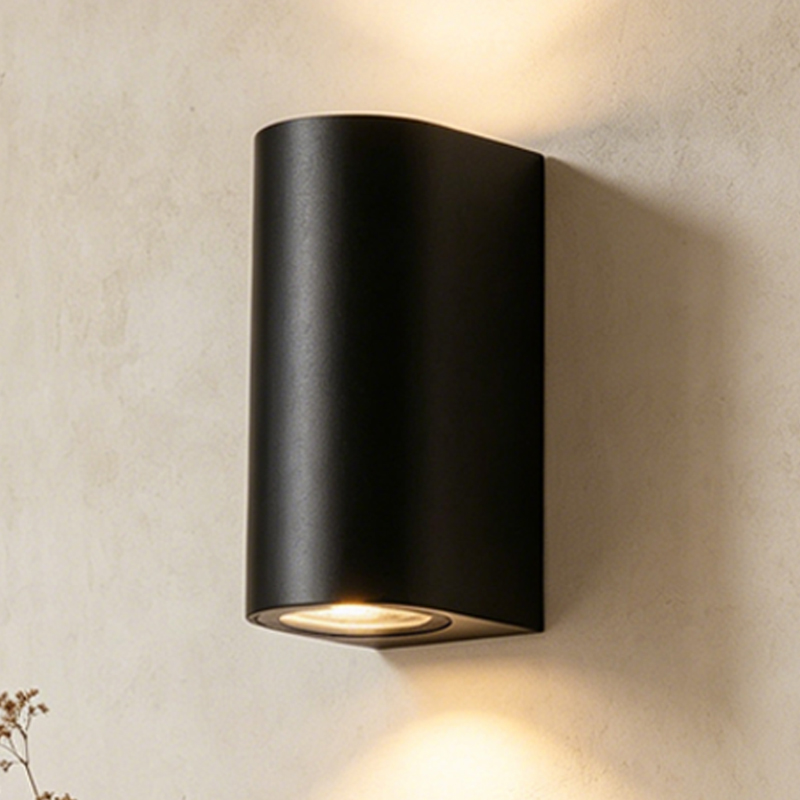
Battery operated wall lights  have become an essential lighting  solution for  various settings,  providing  flexibility and convenience without  the need  for  wiring. As  a B2B  buyer, your  primary  concerns  may include quality, cost, installation, and suitability  for specific  applications. This article will guide you  through critical factors to consider  when evaluating battery operated wall lights,  helping  you make informed purchasing decisions.


Understanding the Cost Factors of Battery Operated Wall Lights

The cost of battery  operated  wall lights can vary widely based on several factors. First, consider the initial purchase price, which is influenced by the type  of materials used, design complexity, and additional features such as motion sensors or  adjustable brightness. It's vital to  balance upfront costs with long-term value; cheaper models may save you  money initially but  could incur higher  maintenance  and replacement costs.

Another factor to  consider is  the  minimum order  quantity (MOQ) often set by manufacturers. Larger orders may reduce the per-unit cost, making it essential to evaluate your  needs  before placing an order. Additionally, consider shipping and handling costs, which can significantly impact your overall budget, especially for international shipments.

Lastly, energy efficiency plays a crucial role in long-term costs. Choosing lights that consume less  power can lead  to  lower operational costs, particularly in  applications where lights are used frequently. Look  for energy-efficient models, as they can help mitigate long-term expenses. For instance, investing in a Solar Patio Light can provide both aesthetic and functional benefits.

Common Problems with Battery Operated Wall Lights and Their Solutions

Installing battery operated wall lights can vary depending  on the specific application and  environment. In general, these lights are designed for easy installation, often requiring  minimal tools. For  indoor use, ensure the  chosen location has adequate wall support to hold the light securely. Use the manufacturer's provided mounting hardware for optimal safety.

In outdoor settings, it is crucial to select lights specifically designed  for exterior  use. These  models should have  weatherproof features and be installed in locations protected from direct water exposure. Additionally, consider the light's  intended  use; for example, motion-sensor lights may require placement in  areas with ample movement, while ambient  lighting may need  to be positioned differently for effective illumination.

When installing in commercial spaces,  think about the power source  and battery accessibility  for maintenance. Ensure  that  the installation site allows for easy access  to replace batteries without requiring extensive disassembly.

Applications of Battery Operated Wall Lights in Commercial Spaces

Battery operated wall lights are versatile and can be  utilized  in various commercial applications. In retail environments, they can enhance product displays and create inviting  atmospheres without the complexity of  wiring. For temporary installations, such  as pop-up shops or  seasonal events, these  lights offer flexibility, enabling businesses to adapt  their  lighting as needed.

In hospitality settings, battery operated wall lights can provide ambient lighting for outdoor dining areas or event spaces. Their portability allows for easy repositioning based on guest needs or seasonal changes. Additionally,  these lights can serve safety purposes  in emergency exits or  pathways, improving visibility without relying on  traditional electrical systems.

Furthermore, in residential  applications where wiring may  not be feasible, these lights are  ideal for providing functional and decorative lighting. From highlighting artwork to illuminating staircases, the  adaptability of battery operated  wall lights makes them a valuable addition  to any  commercial project.

Material Advantages of Battery Operated Wall Lights for Industrial Use

While battery operated wall lights offer convenience,  they are not without challenges. One common issue is  limited battery life, which can  lead to frequent replacements. To mitigate this, consider investing in high-quality rechargeable batteries and ensure the lights  are equipped  with energy-efficient LED technology, which  can extend battery life significantly.

Another issue is the potential for inadequate illumination if the  light  output is insufficient for the intended area. When selecting lights, assess the lumens required for the space and choose products that meet those needs. Additionally, consider lights  with  adjustable brightness settings that allow you to tailor  the illumination level as  required.

Lastly, installation-related problems can arise,  such as lights falling or  becoming misaligned. To avoid this, always follow the manufacturer's installation instructions carefully, using appropriate  mounting hardware and ensuring the lights are securely attached to the wall. Regular maintenance checks can also help identify any loose fittings  before they become a larger issue.

By understanding these common problems  and  their solutions,  you  can better prepare for the challenges associated with battery operated wall lights, ensuring a smoother experience in your projects.

Where to Source Reliable Battery Operated Wall Lights Suppliers

When assessing the quality of battery  operated  wall lights, several specifications and  factors  must be taken  into account. First, consider the materials used in construction. High-quality lights typically feature durable materials like ABS plastic, metal, or glass, which  can withstand wear and  tear in commercial settings.  Additionally, look for  lights that  have undergone rigorous quality control processes, ensuring they meet safety standards.

Certifications such as CE, UL, or  ERP indicate compliance with international safety and efficiency standards. These certifications provide assurance that the product has been tested for performance and safety. Furthermore,  the light output (measured in lumens) and energy consumption (watts) are important  indicators of  performance. A higher  lumen  output per watt  signifies a more efficient light, which can lead to cost savings in battery replacements over time. For example, a quality Solar Lamp can enhance energy efficiency.

Lastly, examine the battery life and  type. Rechargeable batteries are often a more sustainable  option, but their longevity and recharge cycles should  also be evaluated. A quality product will offer transparency about battery performance, allowing you to assess its suitability for your intended application.

Frequently Asked Questions

What power source do these wall lights use?

These wall lights are battery operated, typically using replaceable AA or AAA batteries depending on the model, providing cordless installation and easy maintenance.
Battery life varies by model and usage but typically lasts from several weeks to a few months under normal use. Energy-saving LED models extend runtime.
Yes. Battery operated wall lights require no wiring and install with screws or adhesive mounting included for quick, tool-light setup.
Yes. Our lighting products are produced under CE/UL/ERP certifications and TUV/BSCI management to meet international safety and quality requirements.
Some models are suitable for outdoor or damp locations. Check the specific product IP rating and specifications to confirm suitability for wet or exposed environments.

Get a Free Quote

Our representative will contact you soon.
0/1000