Material Advantages of Cordless LED Table Lamps for Buyers
The materials used in cordless LED table lamps significantly affect their performance, aesthetics, and durability. Common materials include plastic, metal, and glass. Each offers distinct advantages:
Plastic: Lightweight and often cost-effective, plastic lamps can be molded into various shapes and designs, making them versatile for different applications. They are generally resistant to breakage and ideal for environments where safety is a concern, such as educational settings.
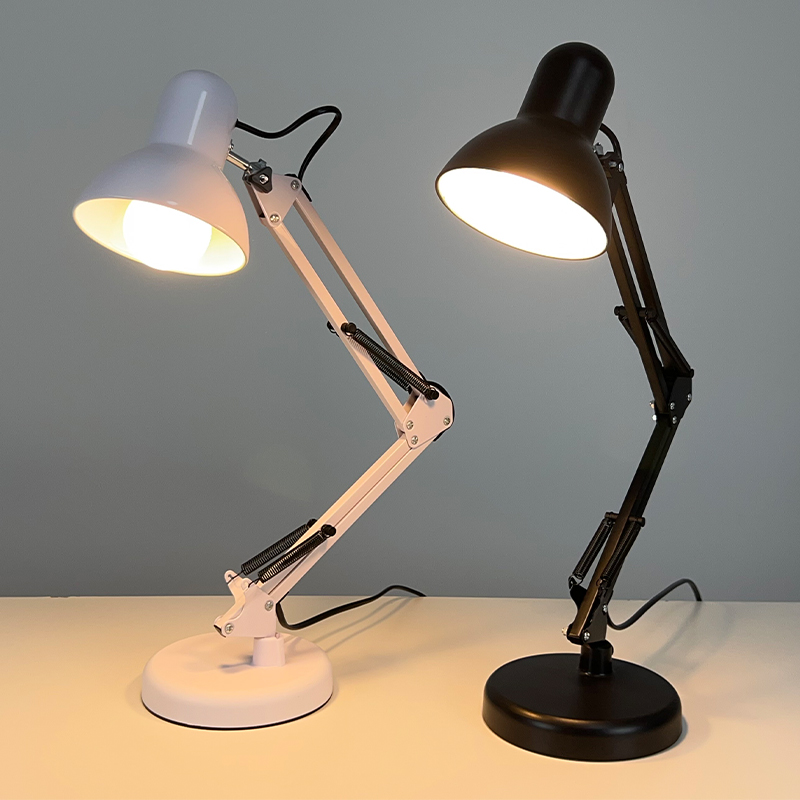
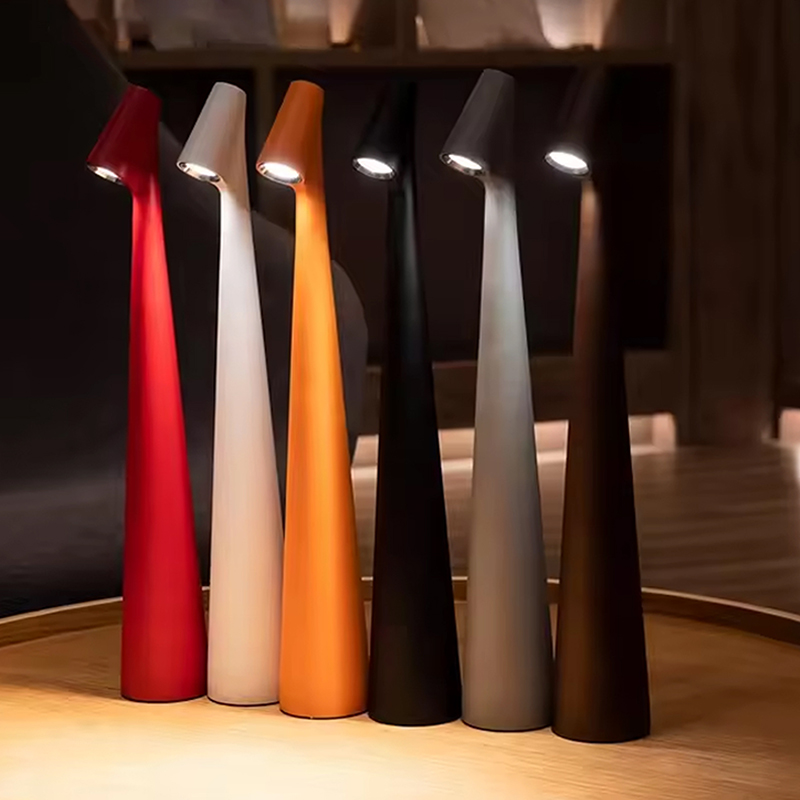
Metal: Metal lamps typically provide a more durable option, often used in commercial applications where robustness is essential. Materials such as aluminum or stainless steel not only ensure longevity but also offer a modern aesthetic that appeals to design-conscious buyers.
Glass: When aesthetics are paramount, glass can provide a high-end look. However, it may require more careful handling to avoid breakage. Glass lamps can also offer better light diffusion, creating a softer glow, which is desirable in residential settings.
Selecting the right materials depends on your specific needs, such as target market, intended use, and budget. Ensure that the material aligns with the expectations of your customers to enhance satisfaction and reduce returns.
By understanding these facets of cordless LED table lamps, B2B buyers can make informed decisions that align with their operational requirements and market demands.
 EN