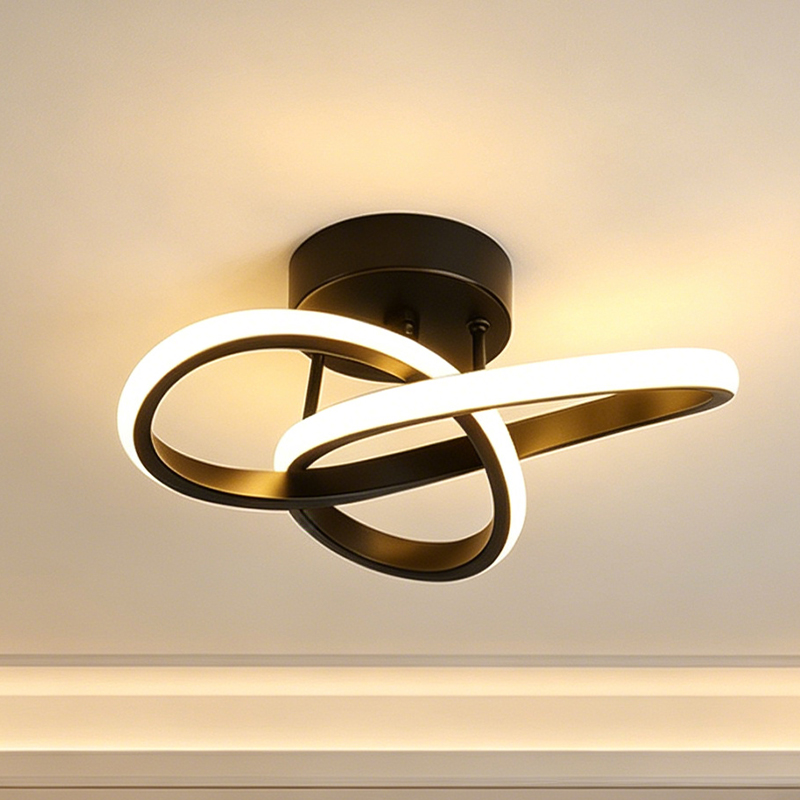
Essential Features of Rechargeable Study Lamps

application/rechargeable-study-lamp, application/rechargeable-study-lamp, 
Inquiry
Inquiry

rechargeable study lamp

In  the realm of modern education and workspace design,  the  rechargeable study lamp  has  emerged as a vital tool for enhancing productivity  and comfort. These lamps not only provide  essential lighting but also  offer  versatility  and  convenience, making them  an attractive option for B2B buyers  such as purchasing  managers and distributors.  This article will delve into the  key considerations  surrounding  rechargeable study lamps, including quality control standards, sourcing reliable suppliers, essential features for  distributors, cost factors,  and common issues along with their solutions.

Where to Source Reliable Suppliers for Rechargeable Study Lamps

Sourcing reliable suppliers for rechargeable study lamps requires careful consideration and research. Buyers  can start  by attending industry trade  shows or exhibitions, where manufacturers  showcase their products and innovations. These events  provide an opportunity to connect  directly  with  manufacturers, assess product quality firsthand,  and discuss custom requirements.

Online platforms and directories can also be valuable resources. Websites like  Alibaba or Global Sources list numerous  manufacturers, allowing buyers to review company profiles,  certifications, and customer feedback. However, it is essential  to verify the legitimacy of these suppliers through samples and reference checks. A reputable supplier should be willing to provide product samples  for evaluation, enabling buyers to assess quality before placing bulk  orders.

Furthermore, establishing  a long-term relationship with a  supplier can facilitate better pricing and more efficient communication. Discussing minimum order quantities  (MOQ) and delivery timelines upfront can help prevent misunderstandings later in the  procurement process.

Features and Benefits for Distributors

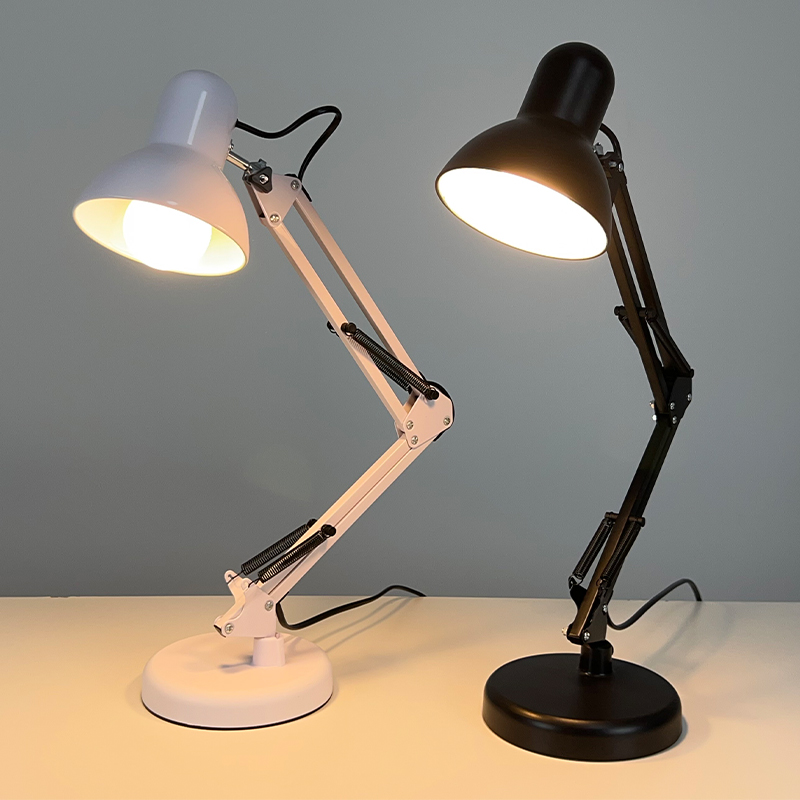
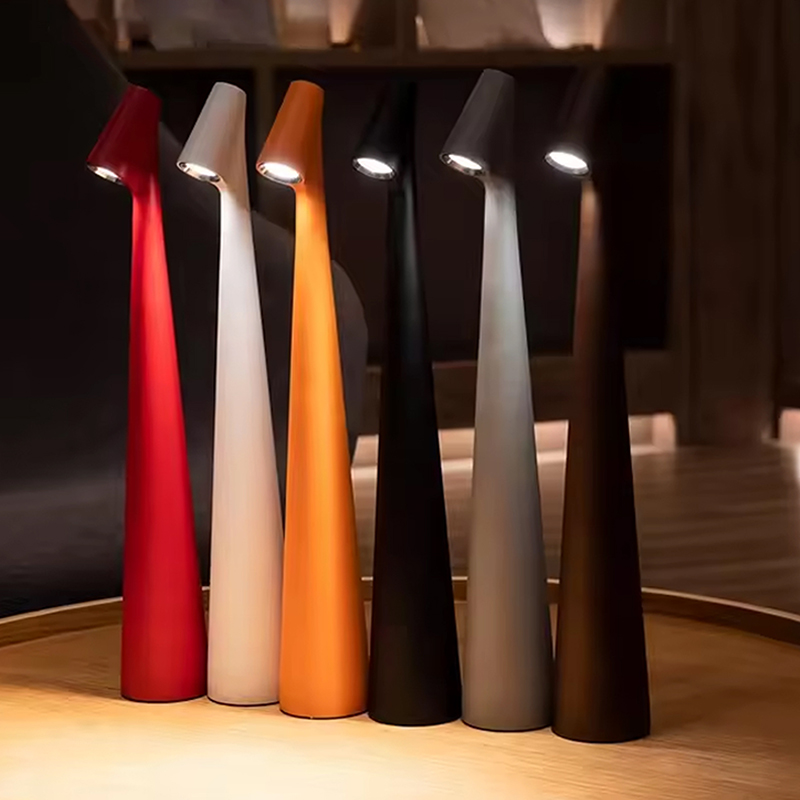
Distributors play a crucial role  in the market for rechargeable study lamps, and understanding  the key features of  these products can significantly impact  their sales strategy. Features  such as adjustable brightness levels, color temperature options, and built-in USB charging ports are highly sought after. These functionalities cater to diverse customer preferences  and enhance  user experience.

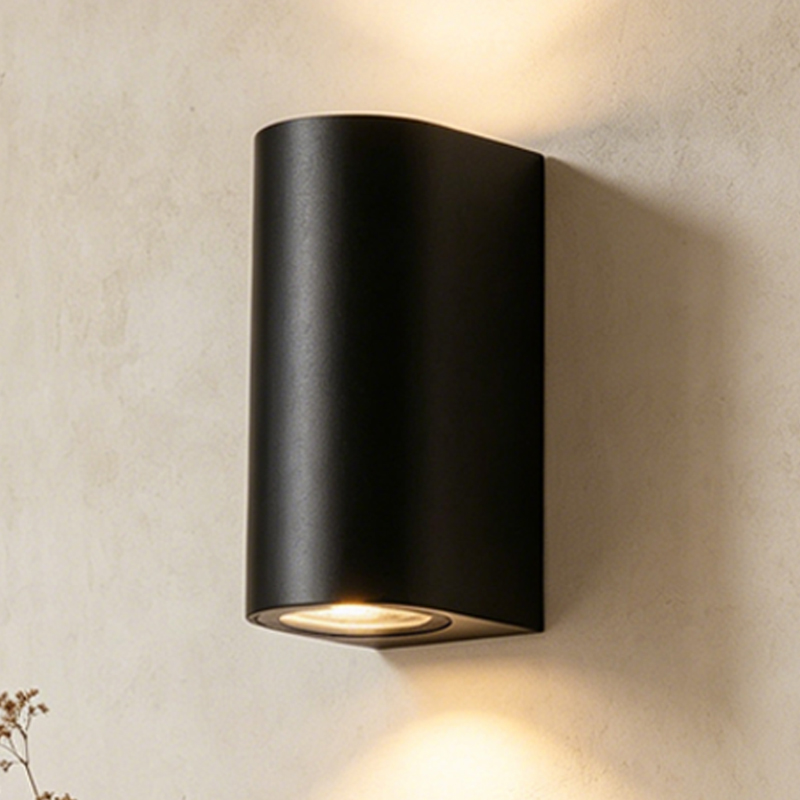
From a distributor's perspective,  promoting the energy efficiency  of rechargeable lamps can be  an effective selling point.  Many modern designs utilize LED  technology, which not only consumes less power but  also offers longer lifespans compared to traditional bulbs. This translates  to cost savings for  end-users, making the product more appealing. For instance, the LED Wall Light IP65 Crystal Outdoor Exterior Modern is a great example of energy-efficient design.

Additionally, highlighting the versatility of these lamps for various applications—such as study environments, office spaces, and even outdoor settings—can expand the potential customer base. Distributors  should also emphasize the lamp's portability,  as the rechargeable feature allows users to move the lamp freely without being tethered to a power  outlet.

Cost Factors to Consider When Purchasing Rechargeable Study Lamps

When  purchasing rechargeable study lamps, several cost factors come  into play. The initial  cost  of the lamp itself is just one component; buyers should also  consider associated expenses such as shipping, customs duties, and potential tariffs when importing products.

Additionally,  the choice of materials significantly influences pricing. For example, lamps made with  premium  materials may have higher upfront costs  but  often yield better performance and durability, leading to lower replacement  rates over time. Buyers should evaluate the total cost of ownership, which includes maintenance and energy consumption, when assessing potential suppliers. One cost-effective option to consider could be the Motion Sensor Night Light Rechargeable LED Wall Lamp.

Moreover, customization options  can impact  price. While custom designs may  cater to specific market needs, they can also lead to increased costs and longer lead times.  It's essential for buyers to clarify their requirements and  understand  how these  factors affect the overall  pricing  structure.

Common Problems with Rechargeable Study Lamps and Effective Solutions

While rechargeable  study lamps  offer  numerous  benefits,  they are not without their challenges. Common issues include battery life limitations, charging inconsistencies, and durability problems.

Battery life can vary significantly based  on usage patterns and the quality of the battery itself. Buyers should inquire about the  expected battery lifespan and any warranty options available. Regular maintenance, such as ensuring the lamp is charged adequately and avoiding over-discharge, can extend battery  life.

Charging inconsistencies can be frustrating for users. Manufacturers should provide clear guidelines on charging practices and ensure that the lamp is equipped with circuitry that protects against overcharging. For buyers, understanding these specifications during the procurement  process can help mitigate  potential issues.

Lastly, durability is a concern, especially in environments where  lamps may be moved frequently. Buyers  should consider the construction materials and design  of  the lamp. Products designed  with robust materials  and reinforced components are less likely  to suffer damage from  everyday use.

By  addressing these common problems proactively, buyers can make informed decisions that enhance user satisfaction and reduce the likelihood of returns or complaints.

Quality Control Standards for Rechargeable Study Lamps Explained

Quality control  is critical when sourcing  rechargeable study lamps. Reliable manufacturers, such  as iGUANGZHOU I-ESSENCE ELECTRIC CO., LTD., adhere to rigorous quality standards  to ensure that their products meet safety and  performance  requirements. Key certifications to look for include CE,  UL, and ERP, which indicate  compliance with international safety and efficiency  standards. 

The quality control process typically involves several stages, starting from raw material selection to final product testing.  For instance, materials  such as high-grade plastics  or aluminum are often  chosen for their durability and lightweight properties, ensuring that the lamp is both functional and aesthetically pleasing. Additionally, manufacturers should conduct thorough testing on electrical components to minimize the risk of short circuits or  failures during operation. Buyers should  inquire about the specific quality control  measures implemented by  their suppliers to ensure  that products will perform reliably in various  applications. For example, consider looking into the IP65 Waterproof LED Wall Light 12W Up Down Outdoor Aluminum Sconce for reliable performance.

Frequently Asked Questions

What are the key features of the rechargeable study lamp?

The lamp offers adjustable brightness and color temperature, foldable design, touch controls, long battery life, and energy-efficient LED output. It’s suitable for desks and bedside use and meets CE/UL/ERP certifications for safety and performance.
Battery life varies by brightness setting: up to 12 hours on low, 6–8 hours on medium, and 3–4 hours on high. Actual runtime depends on usage and settings.
The lamp charges via included USB-C cable compatible with standard USB adapters, power banks, and laptop ports. Charging time is typically 2–4 hours depending on adapter output.
Yes. The lamp and our manufacturing processes comply with CE/UL/ERP standards and TUV/BSCI management, ensuring safety and regulatory compliance for global retail distribution.
We provide warranty coverage and responsive after-sales support. Contact our customer service with product details and purchase information for assistance with defects, replacements, or technical questions.

Get a Free Quote

Our representative will contact you soon.
0/1000