Key Considerations for Sourcing Floor LED Lamps

application/lamp-floor-led, application/lamp-floor-led, 
Inquiry
Inquiry

lamp floor led

Floor LED lamps are increasingly popular in various settings  due to their  energy efficiency,  versatility, and  modern  design. For B2B buyers  such as  purchasing  managers, distributors, and  engineers,  understanding  the key specifications, cost benefits, and installation  tips for these  products is crucial. This article will explore essential  factors that can aid  in making informed purchasing decisions regarding lamp  floor LED options, specifically focusing on  how they  can  meet diverse commercial and industrial  needs.

Cost Benefits of Floor LED Lamps for Distributors

Floor  LED lamps offer several cost benefits  that make them  an attractive  option for distributors. Firstly,  their energy  efficiency significantly  reduces  electricity costs compared to traditional incandescent  or fluorescent lighting. This efficiency translates to lower operating costs over  the lifespan of the product,  leading to higher profit margins for distributors.


Secondly, the longevity of LED  lamps—often lasting up to 25,000 hours  or  more—means reduced replacement costs. Fewer replacements lead to lower maintenance and labor expenses, further enhancing cost-effectiveness.

Additionally, many consumers are increasingly seeking sustainable  solutions. Distributors who stock floor LED lamps can appeal to environmentally conscious buyers, enhancing their marketability. The potential for bulk purchasing also  allows for negotiating better  pricing with suppliers,  increasing the distributor's competitiveness in the market.


Installation Tips for Efficient Use of Floor LED Lighting Products

Proper installation of floor LED  lamps can maximize  their performance and lifespan. Here  are key tips  to ensure effective installation:

Positioning: Ensure that the lamps are placed at appropriate heights and angles. For reading or  task-oriented areas, the light should be directed to eliminate shadows and  provide adequate illumination.

Electrical Requirements:  Verify that your electrical infrastructure supports the  LED lamps' voltage and wattage requirements. This step is critical  in preventing flickering or premature failure.


Dimming Compatibility: If using dimmable LED lamps,  ensure that your dimmer switches are  compatible. Non-compatible dimmers can  lead to  poor  performance and may void warranties.

Testing: Before full-scale installation, conduct tests with a sample lamp to assess brightness,  color temperature, and  overall suitability in the intended environment.

By following these  tips, users can optimize the efficiency and effectiveness of  their floor LED lamps.


Understanding the Applications of Floor LED Lamps in Various Settings

Floor LED lamps are versatile and can be utilized in various commercial and  industrial settings.

Retail Spaces:  In  retail, these  lamps can enhance product displays, attract customers, and  create inviting atmospheres. Adjustable lamps allow retailers  to spotlight  specific areas or products effectively.

Offices: In office environments,  floor LED lamps provide task lighting that improves productivity. They can be easily  positioned to complement  existing overhead lighting, reducing eye  strain for employees.

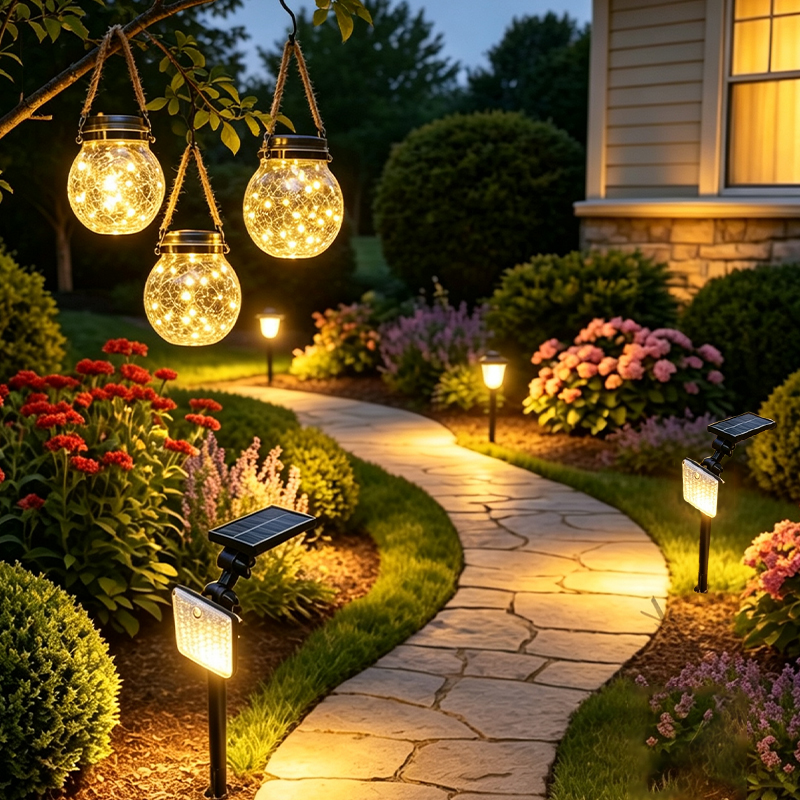
Hospitality: Restaurants and hotels  often use floor lamps to create  ambiance. The right color temperature can influence customer  experiences, making  them feel more comfortable and relaxed. Using options like the Solar Patio Light can enhance the outdoor dining experience.

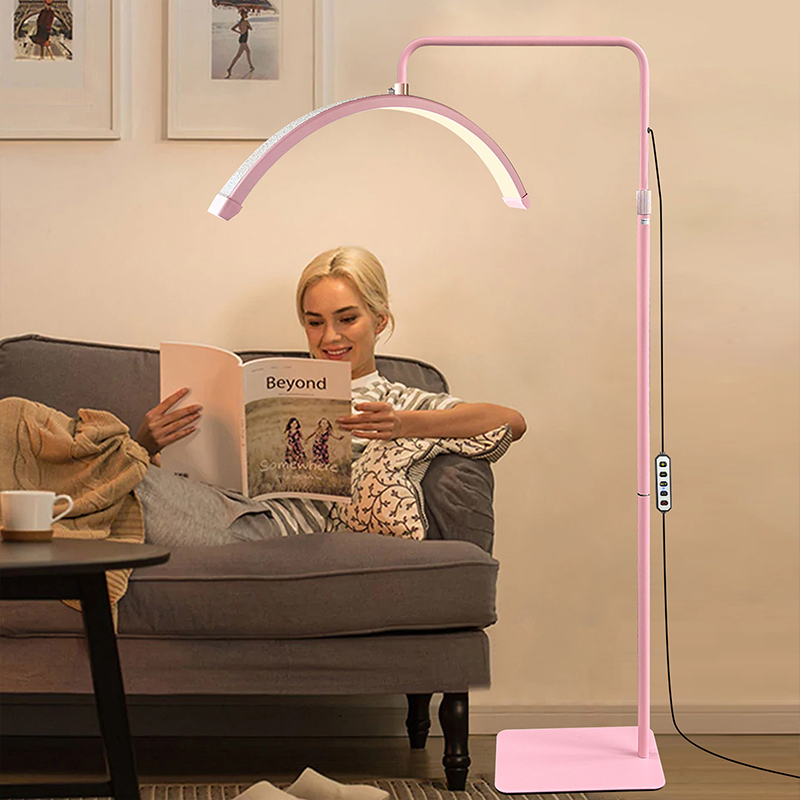
Residential  Spaces: While primarily aimed at commercial use, these lamps are also suitable for  residential  applications, providing stylish  and functional lighting solutions in living rooms, study areas, or bedrooms.

Exhibition  Spaces: In exhibitions and trade shows, floor LED lamps can help define spaces and highlight products, enhancing overall presentation.

Understanding these applications helps buyers identify the right floor LED lamps that can meet specific functional and aesthetic needs in various settings.

How to Select the Best Floor LED Lamp for Your Contracting Projects

Selecting the right floor LED lamp for contracting projects  involves several considerations:

Project Requirements: Assess the specific  needs of the project, including desired brightness,  color temperature, and design  aesthetics. This ensures that the  selected lamps align with the  project goals.

End-User Feedback: Engage with  end-users to understand their preferences and expectations regarding lighting. This input can  guide selections and enhance user satisfaction.

Customization Options: Many  manufacturers, including iGUANGZHOU I-ESSENCE ELECTRIC CO.,  LTD., offer customization capabilities. Consider options like specific color finishes  or unique designs that may be required  for a project.

Sample Approval:  Before finalizing orders, request samples to evaluate performance and quality. Testing samples in the actual environment allows for  adjustments to be made based on real-world  conditions.

Budget Considerations: Balance quality and cost. While it may be tempting to opt  for the lowest-priced option, consider the long-term benefits of  investing in higher-quality lamps that offer better efficiency and durability.


By following  these guidelines, contractors can ensure they choose the most suitable floor LED lamps for their projects, optimizing both  performance and client satisfaction.

Key Specifications to Consider When Sourcing Floor LED Lamps

When sourcing floor LED lamps, several key specifications should be evaluated to ensure the product meets your operational  requirements.

Lumen Output: This measures the  brightness of the lamp. A higher lumen rating indicates a brighter light, which may be necessary for larger spaces  or specific applications such as retail or workspace environments.

Color Temperature:  Measured in  Kelvin (K), color temperature affects  the ambiance. Warmer tones  (around 2700K-3000K) create  a cozy atmosphere,  while cooler tones (5000K-6500K) are suitable for task-oriented areas.

Energy  Efficiency: Look for lamps with high efficacy ratings (lumens per watt). Energy-efficient products can lead to significant cost savings over  time, especially  in high-use areas. For example, Solar Flood Light is a great energy-efficient option.

Material Quality: The housing  material impacts durability and design.  Common options include  metal, plastic, and glass, each offering different aesthetics and resistance to  wear.

Certifications: Ensure that the products have relevant certifications such as CE,  UL,  or ERP. These certifications indicate compliance with safety and efficiency standards, which is vital for avoiding liability issues.

Adjustability and Features: Features such as dimming capabilities, adjustable heights, and color-changing options can enhance functionality, making the lamp more adaptable to  different environments.

Understanding  these specifications allows buyers to select products that align with their specific applications and expectations.

Frequently Asked Questions

What types of LED floor lamps do you offer?

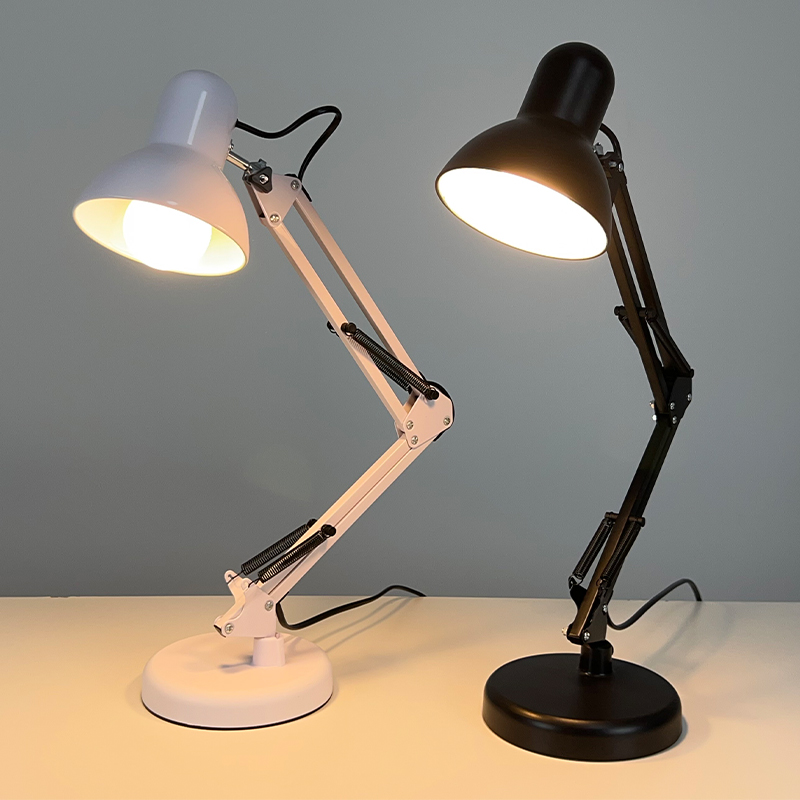
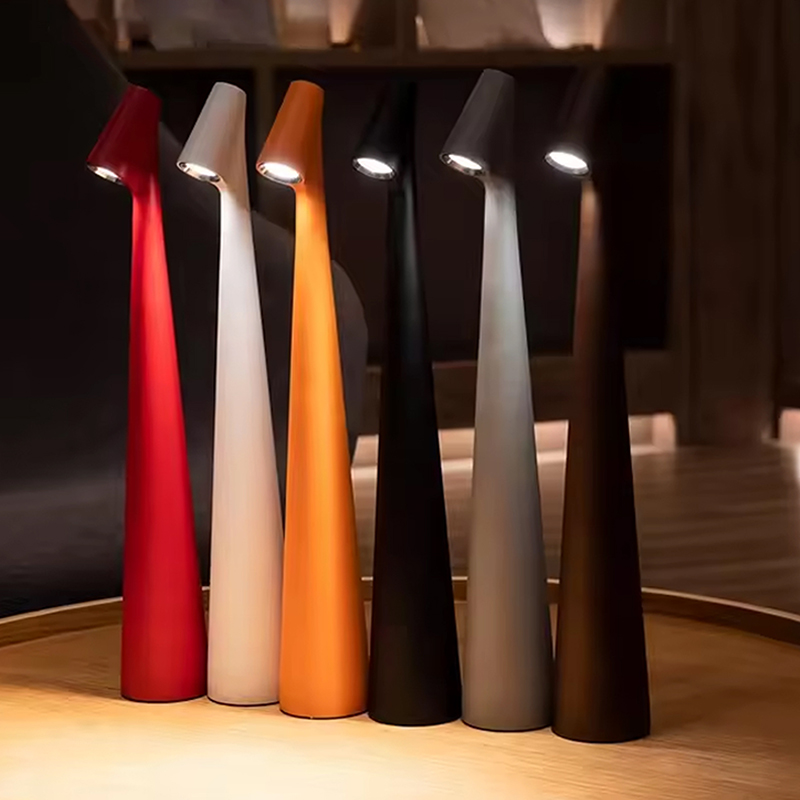
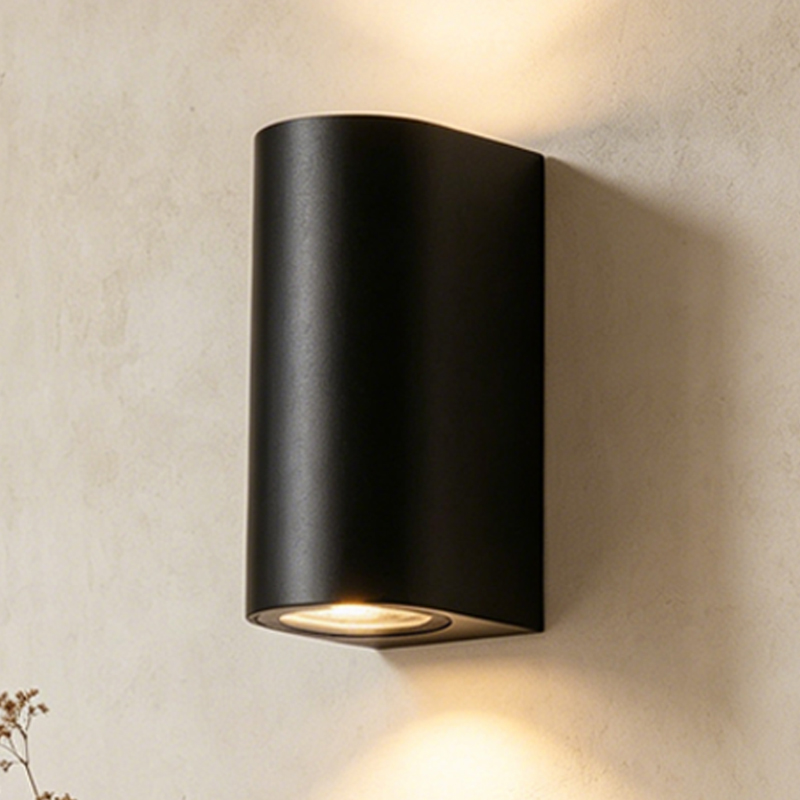
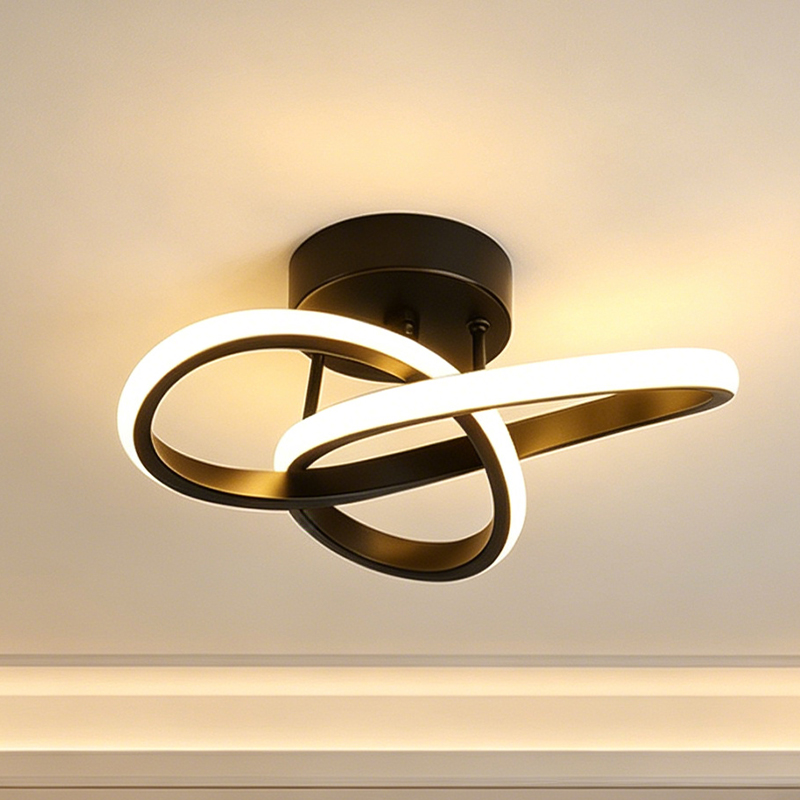
We produce adjustable desk, table, floor, wall, ceiling, and solar LED lamps suitable for residential and commercial use.
Yes. Our lamps meet CE, UL and ERP standards and are manufactured under TUV and BSCI management systems.
Yes. We supply compliant lighting solutions designed for global retail distribution and large-volume buyers.
Many models feature dimming, adjustable brightness and angling. Specific features depend on the chosen model—please request model specs.
We offer factory-backed warranties and customer support for defects and compliance issues. Contact us with model and purchase details for assistance.

Get a Free Quote

Our representative will contact you soon.
0/1000