Key Considerations for Sourcing Floor Lamps

application/lamp-for-floor, application/lamp-for-floor, 
Inquiry
Inquiry

Lamp for floor

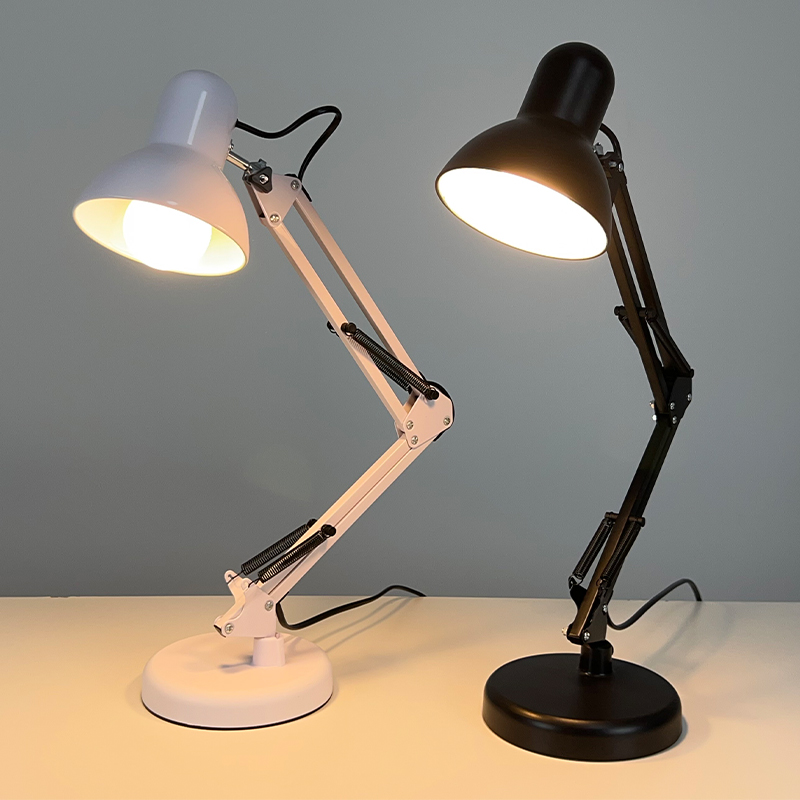
Floor lamps are versatile lighting  solutions that can enhance both  aesthetics and functionality in  various environments. For B2B  buyers, purchasing  floor lamps  involves understanding specifications that  meet safety  standards, ensuring compliance with  regulations, and finding reliable suppliers. This article  will  cover  key specifications to  consider when sourcing  floor lamps,  where  to find trustworthy suppliers, cost factors for  bulk orders, common  issues and their solutions, and various applications  for  floor lamps across different settings. For example, you might want to consider options such as the Desk Lamp with Bulb for outdoor use. 

Where to Source Reliable Floor Lamp Suppliers

Finding reliable suppliers for floor lamps is critical for ensuring quality and compliance. Here are some strategies: 

Industry Trade Shows: Attending trade shows related to lighting and  home decor is an effective way to  connect with  manufacturers  and suppliers. These events provide opportunities to see products firsthand and discuss specifications directly with representatives. 

Online Marketplaces and  Directories:  Platforms such as Alibaba or ThomasNet allow buyers to filter suppliers based on certifications, product categories,  and customer reviews. Always check the  supplier's  credentials  and request samples  before placing bulk orders. 

Networking within Industry Associations: Joining industry  associations  can provide valuable insights into reputable  suppliers. Members often share experiences and recommendations, helping buyers identify trustworthy manufacturers. 

Manufacturer  Websites: Directly contacting manufacturers like iGUANGZHOU  I-ESSENCE ELECTRIC CO., LTD.  can yield  better insights into their product range, compliance standards, and customization  options. This approach  allows buyers to establish direct communication regarding specific needs. 

Cost Factors for Bulk Orders of Floor Lamps

Understanding  the cost structure is essential for budgeting bulk orders  of floor lamps. Key cost  factors include: 

Material and Manufacturing Costs: The choice of materials directly  influences the overall cost.  For instance, high-quality  metal lamps may cost more but offer better durability. Additionally, manufacturing  processes like  injection molding or handcrafting can vary in cost. 

Order Quantity: Most  manufacturers offer price breaks for larger orders.  Desk Lamp is crucial to confirm the minimum order  quantity (MOQ)  and the corresponding pricing tiers to optimize purchasing costs. 

Shipping and Logistics:  Consider logistics costs,  including shipping fees, customs duties, and potential tariffs, especially when importing  from overseas  manufacturers.  These factors can significantly impact the total landed cost. 

Customization  Options: Custom designs  or specifications may incur additional charges. Buyers should  assess whether the benefits of customization justify the increased expense. 

Common Problems with Floor Lamps and Their Solutions

While floor lamps  are generally reliable, buyers should be aware of common issues that may arise:

Stability Issues:  Some floor lamps may  tip over easily, particularly in  high-traffic areas. To prevent this,  consider lamps with weighted bases or designs that enhance stability.  Buyers should verify  the design specifications focus on safety. 

Electrical Failures: Problems such as flickering lights or non-functioning bulbs  can occur. This may be  due to poor  wiring or compatibility issues with  the bulb type. It is advisable to  conduct thorough quality checks during the inspection process and ensure compliance with electrical standards. 

Dull Lighting: Inadequate brightness can be a concern. Buyers should evaluate the wattage and lumen output of bulbs to ensure sufficient illumination for  the  intended application. 

Aesthetic Mismatches: The design of the lamp should complement the  surrounding decor. Buyers  should request  samples or  mock-ups to  confirm that the style aligns with their vision before committing to an order. 

Applications of Floor Lamps in Various Settings

Floor lamps serve diverse functions across different environments. Here are some  common applications:

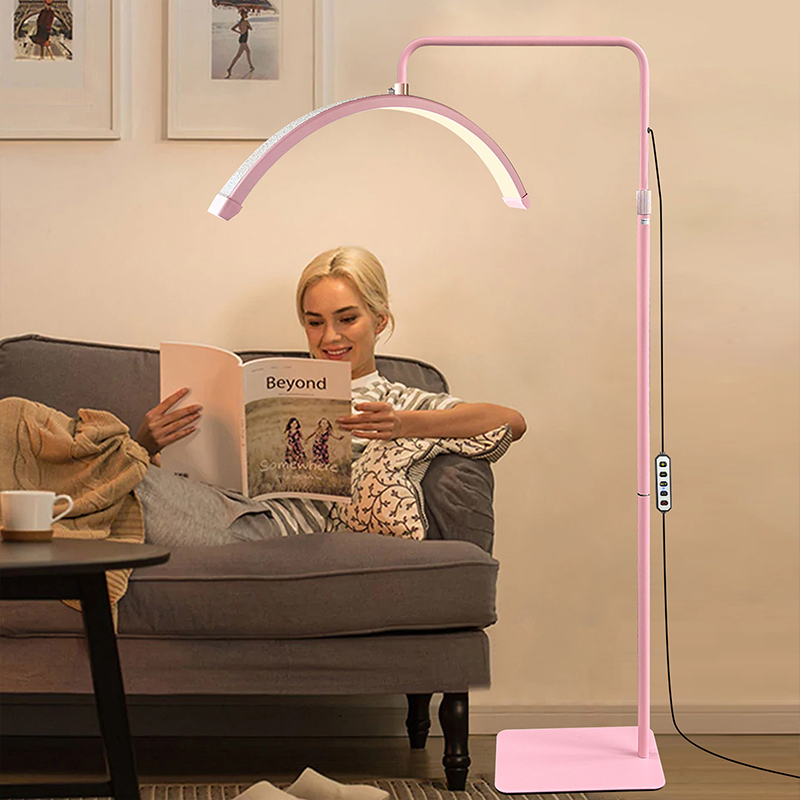
Residential Spaces: In  homes, floor lamps  add ambiance and serve as task lighting in  living rooms, bedrooms, or home offices. Adjustable designs are particularly  popular for  reading  nooks  or workstations. 

Commercial Settings: In offices, floor lamps improve lighting without overwhelming  workspace aesthetics. They can be used in lounges, meeting rooms, or as accent lighting to create a welcoming atmosphere. 

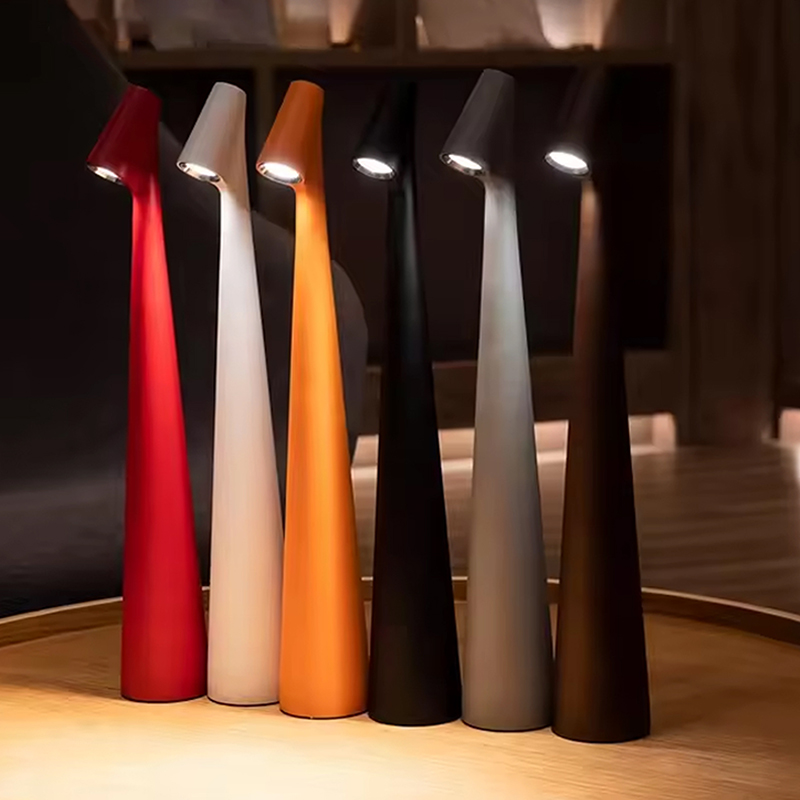
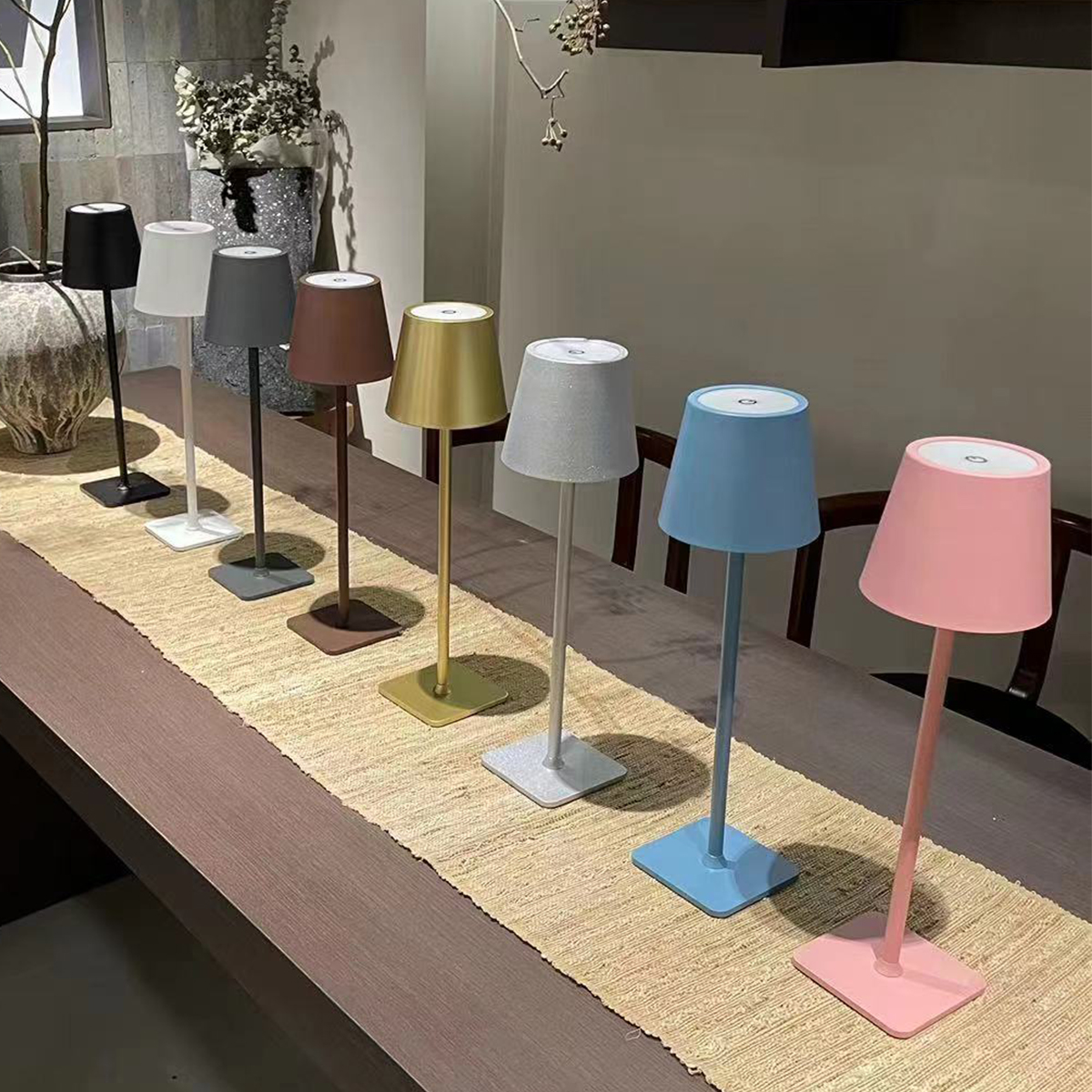
Retail  Environments: Floor lamps can enhance product displays in retail settings,  drawing attention to specific items while providing necessary lighting. Choosing lamps with adjustable brightness can  help in  creating different shopping atmospheres. A good choice for retail could be the Table Lamp. 

Hospitality: Hotels and restaurants often use floor lamps to create inviting environments. Customizable designs can  be tailored to fit the decor of  different spaces, enhancing guest experiences. 

By understanding these applications, buyers can  make informed decisions  on  the best floor lamps to meet their specific needs and  enhance  their environments. 

Key Specifications to Consider for Floor Lamps

When evaluating floor lamps, several key specifications  are crucial for ensuring that the  product meets the intended use and safety standards. 

Height and Dimensions: The height of a floor lamp  should be appropriate for its intended location. For instance, taller lamps may be suitable for larger rooms, while shorter lamps are better for  intimate spaces. Buyers should  confirm dimensions that align with the overall design and functional  needs of the space. 

Material Quality: Floor lamps can be constructed from various  materials,  including metal, wood, and plastic. Each material affects durability, weight, and aesthetic appeal. It's essential to choose materials that can withstand the intended environment—such as moisture resistance for outdoor use. A great option for such requirements is the LED Desk Lamp. 

Lighting Technology:  The type of bulb  used can  significantly impact energy efficiency and light  quality. Options include LED, incandescent, and fluorescent bulbs. LED bulbs, for example, provide longer life spans and  lower energy consumption, making them a preferred choice for sustainable lighting solutions. 

Certifications: Ensure that the lamps carry relevant  certifications like CE, UL, or ERP.  These certifications indicate compliance with safety and environmental standards, which is crucial for suppliers looking  to maintain credibility in the retail  market. 

Power Supply and Connectivity: Consider whether the lamp  needs a direct electrical connection or  if it can operate on batteries. Additionally, features such  as disability and smart connectivity may enhance usability, especially in commercial environments. 

Frequently Asked Questions

What types of floor lamps do you manufacture?

We produce a range of floor lamps including reading, ambient, adjustable, and LED models suitable for residential and retail settings, designed to meet CE/UL/ERP standards.
Yes. Our floor lamps comply with CE and UL safety standards and meet ERP efficiency requirements, with factory management under TUV and BSCI systems.
Yes. We offer customization in design, finishes, size, and packaging to meet retailer specifications while ensuring compliance and quality control.
Lead time varies by order size and customization but typically ranges from 4 to 10 weeks. Contact us with order details for a precise timeline.
Yes. We offer warranty coverage and technical support for defects and performance issues. Support includes troubleshooting, replacement parts, and guidance on installation.

Get a Free Quote

Our representative will contact you soon.
0/1000