How to Choose the Right LED Reading Lamp

application/led-reading-lamp, application/led-reading-lamp, 
Inquiry
Inquiry

led reading lamp

When it comes  to selecting an LED  reading  lamp, various factors come into play to ensure  the best fit for your specific  project  needs. LED reading lamps are popular  choices in  both residential and commercial settings due to  their energy efficiency and  versatility. However, B2B buyers  often face concerns about  product specifications, quality, and  installation. This article aims to guide you  through  the  key  considerations for choosing the right LED reading lamp, understanding quality control measures, evaluating  cost factors, addressing installation issues,  and recognizing the  material advantages that contribute to long-term use.

Understanding the Quality Control Measures for LED Reading Lamps

Quality  control  is crucial in the manufacturing of LED reading lamps to ensure they  meet safety and performance standards. At iGUANGZHOU I-ESSENCE ELECTRIC CO., LTD., we adhere to rigorous quality control measures,  including:

Material Inspection: All materials are inspected upon arrival to  ensure  they  meet the required specifications. This includes checking for any defects or inconsistencies. Production Process Monitoring: Throughout the manufacturing process, various checkpoints are established to monitor the production quality,  ensuring that the  final product aligns  with the approved designs. Testing: Each lamp  undergoes performance  testing to  ensure they  meet lumens output and energy efficiency  standards. This includes testing for flicker and color consistency.

By implementing these  measures,  manufacturers can  minimize defects  and ensure a reliable product,  which is crucial for B2B buyers who require dependable performance.

Cost Factors to Consider When Purchasing LED Reading Lamps Wholesale

When purchasing LED reading lamps wholesale,  several cost factors need to be considered  for budget planning. These include:

Material Costs: The choice of materials directly impacts pricing. For instance, high-quality aluminum or durable plastics  may increase  the  cost but offer improved longevity. Production Volume:  Bulk orders typically  result in lower per-unit costs.  Understanding the minimum order quantity (MOQ) can help in negotiating better pricing. Customization:  Customized designs or features may incur additional costs. It’s essential to communicate your  specific requirements upfront  to receive accurate quotes. Shipping and  Handling:  Consider the logistics involved in shipping, including international tariffs or fees, which can affect  the  overall  cost.

By understanding these  factors, buyers  can make informed decisions  and optimize their  purchasing budgets. For instance, incorporating options like Solar Flood Light can help in managing costs while enhancing lighting solutions.

Common Installation Issues with LED Reading Lamps and Their Solutions

Installation  of LED  reading  lamps can  present challenges, especially  in commercial settings. Common issues include improper mounting,  electrical compatibility, and inadequate wiring. Here are some solutions:

Improper Mounting: Ensure that the  lamp is mounted securely according to the  manufacturer's guidelines. Using the right tools and  anchors  can prevent future instability. Electrical Compatibility: Verify that the power supply meets the lamp’s  voltage and wattage  requirements. Consult with an electrician  if necessary  to avoid damaging  the lamp or causing safety hazards. Wiring: In cases where the lamp requires hardwiring, ensure that the existing wiring is up to code and  capable of handling the  new  load.

Addressing these issues before installation can save time and resources, ensuring that the LED reading lamp performs effectively from  the start.


Material Advantages of LED Reading Lamps for Long-Term Use

The materials used in LED reading lamps play  a significant role in their  durability and performance. Common  materials  include:

Aluminum: Known  for its lightweight and heat-dissipating properties, aluminum is often used in lamp bodies and fixtures. This material helps prolong the lifespan  of the  LED by reducing overheating. Polycarbonate: Frequently used for lamp covers,  polycarbonate is  impact-resistant and  provides a good balance of strength and weight,  making it ideal for both commercial and residential applications. Glass: While heavier, glass  provides excellent aesthetics and can  enhance  the lamp's  design. However,  it may  require additional care to prevent breakage.

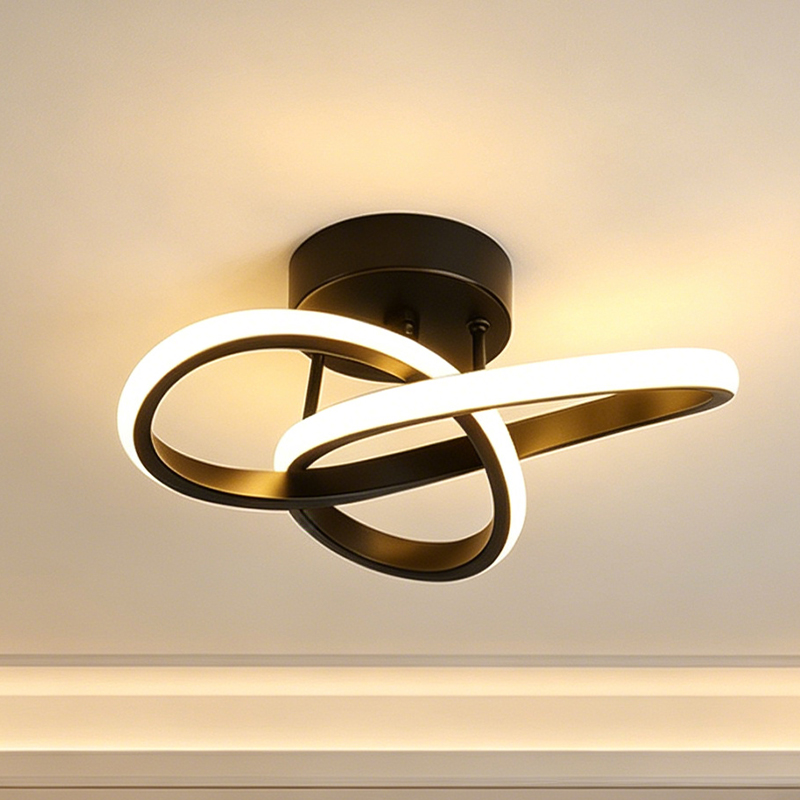
Choosing  the right  materials based on the intended use and environment can significantly impact the longevity and functionality of LED reading lamps, ensuring they remain effective over time. Additionally, options like Ceiling Lamp can offer versatile lighting solutions for various spaces.

By considering these factors and insights, B2B buyers can make informed decisions when selecting LED  reading lamps that meet their project requirements, ensuring both performance and satisfaction in their purchases.

How to Choose the Right LED Reading Lamp for Your Project Needs

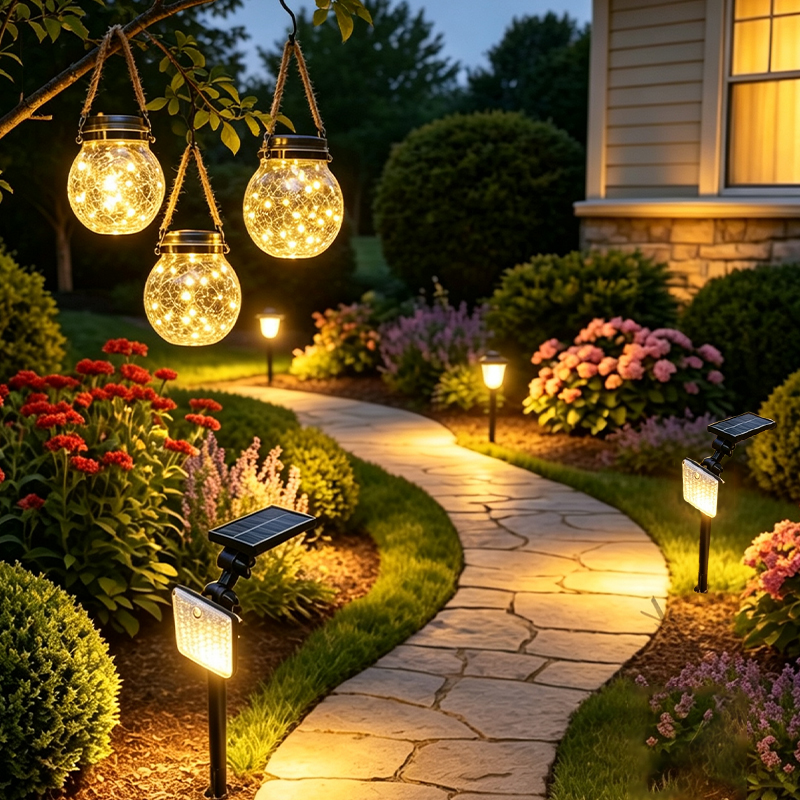
Selecting the right LED  reading lamp  requires careful consideration  of several factors, including intended  use, brightness,  size,  and design. First, determine the environment where  the lamp will be used. For instance, commercial spaces may require  lamps that provide higher luminosity  and durability, while residential spaces might prioritize  aesthetics and warmth of light. For those looking to enhance their outdoor spaces, considering options like Solar Patio Light could be beneficial.

Key specifications to consider include:

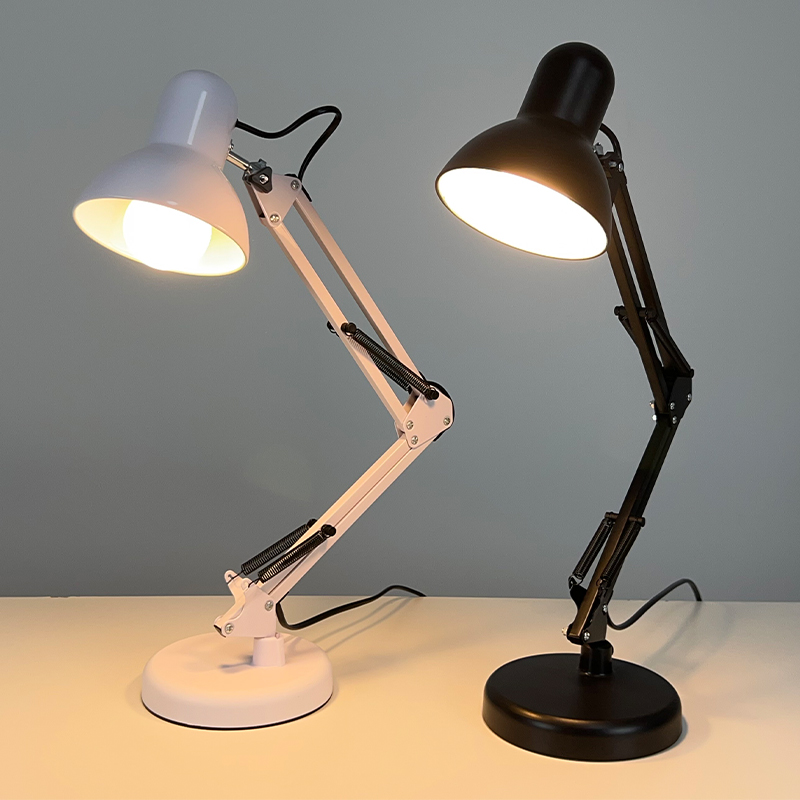
Lumens: The brightness of the lamp.  For  reading, aim for at least 400-800 lumens.  Color Temperature: Measured  in  Kelvin (K), a color  temperature of 3000K to 4000K  is ideal  for reading as it creates a comfortable ambiance. Adjustability: Look for features such as adjustable arms or dimmable settings to accommodate different lighting needs.

Additionally, consider the lamp's energy  efficiency and lifespan.  LED lamps typically last longer and consume less energy compared to traditional bulbs, making them a cost-effective choice in the long run.

Frequently Asked Questions

What types of LED reading lamps do you offer?

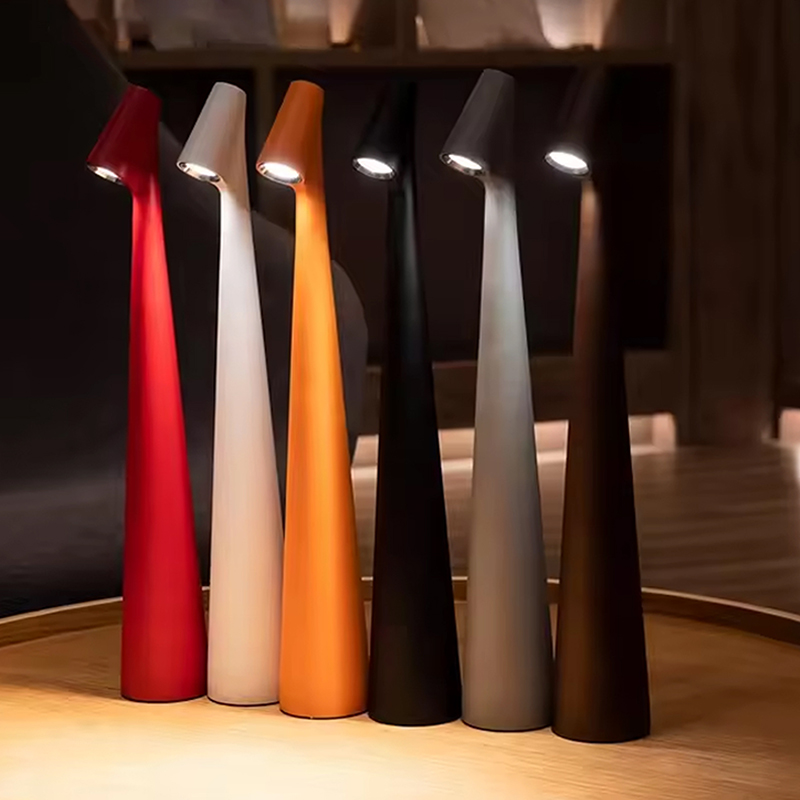
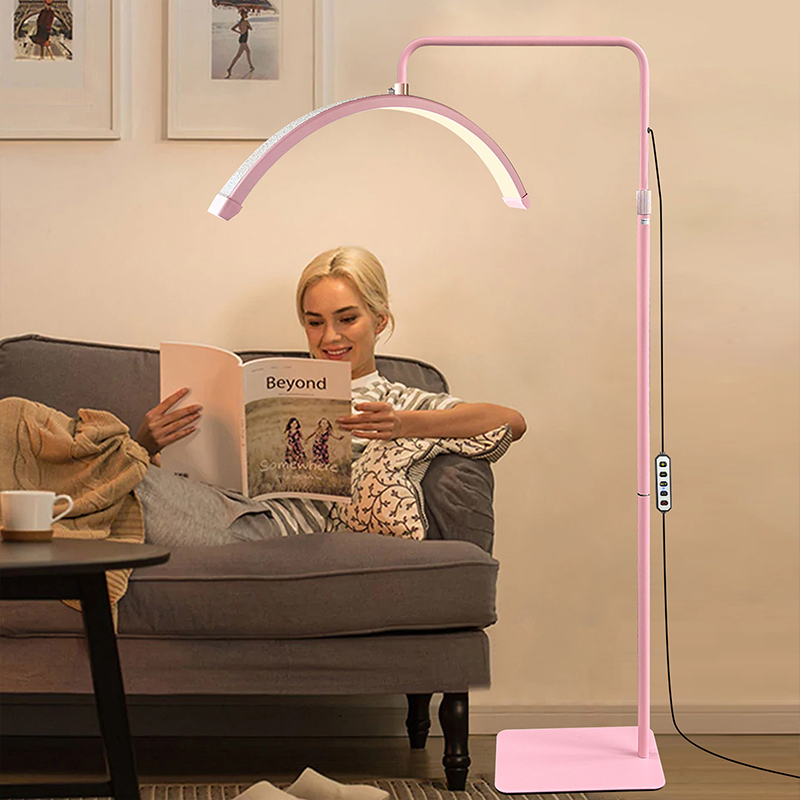
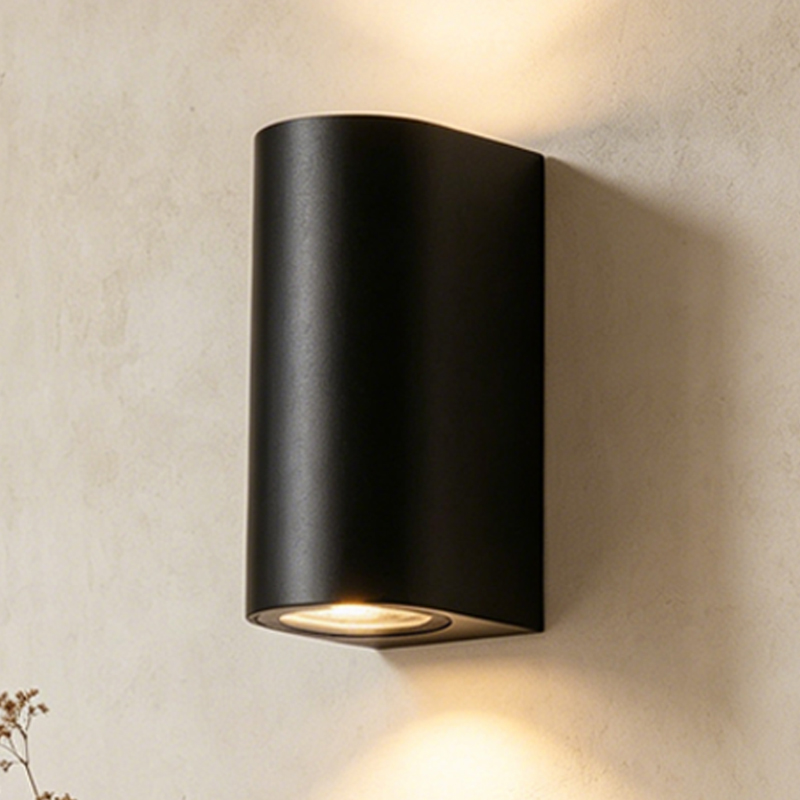
We manufacture desk, table, floor, wall and ceiling LED reading lamps, plus solar options, suited for home and commercial use with multiple styles and finishes.
Yes. Our lamps carry CE, UL and ERP certifications and are produced under TUV/BSCI management to meet global safety and compliance standards.
Many models include adjustable brightness and color temperature features. Specific options vary by model—check the product specifications or contact us for model details.
Yes. We supply compliant lighting solutions for global retailers and support bulk OEM/ODM orders with quality control and certification documentation.
We offer warranty coverage and after-sales support; terms vary by model and order size. Contact our sales team for specific warranty periods and service procedures.

Get a Free Quote

Our representative will contact you soon.
0/1000