Essential Guide to LED Table Light Specifications

application/led-table-light, application/led-table-light, 
Inquiry
Inquiry

led table light

LED table lights are  versatile lighting solutions  ideal for various settings,  from offices to dining tables.  As a purchasing  manager or distributor, understanding the  specifications, installation  requirements,  and  cost factors associated  with LED table lights is essential for  making  informed purchasing  decisions. This  article will guide  you through  evaluating specifications, comparing options, installation guidance, cost considerations, and maximizing  value, ensuring  you choose  the best LED table light for  your needs.

Comparing LED Table Light Options for Contractors and Distributors

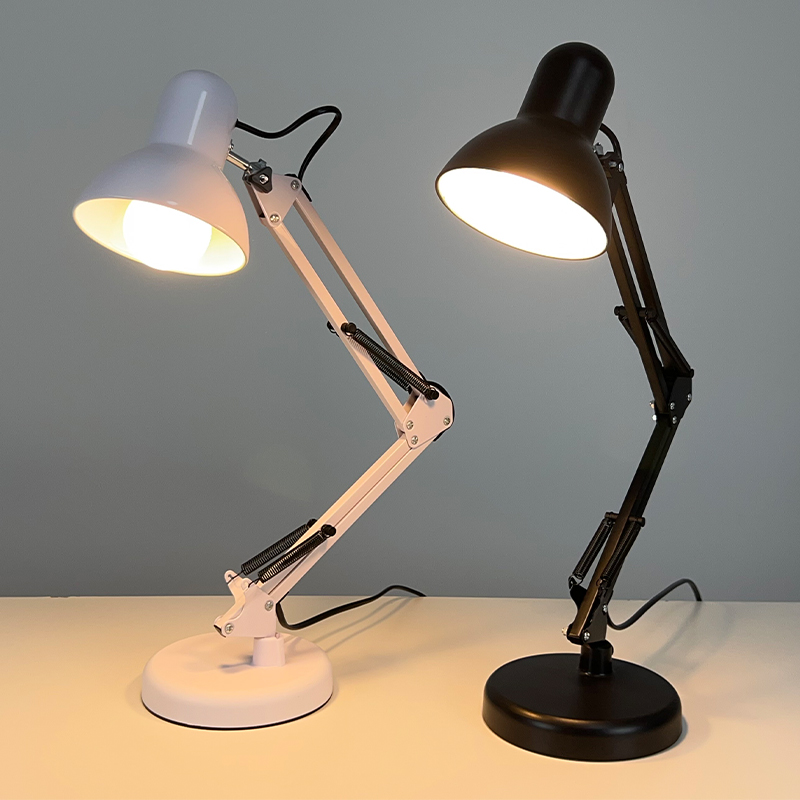
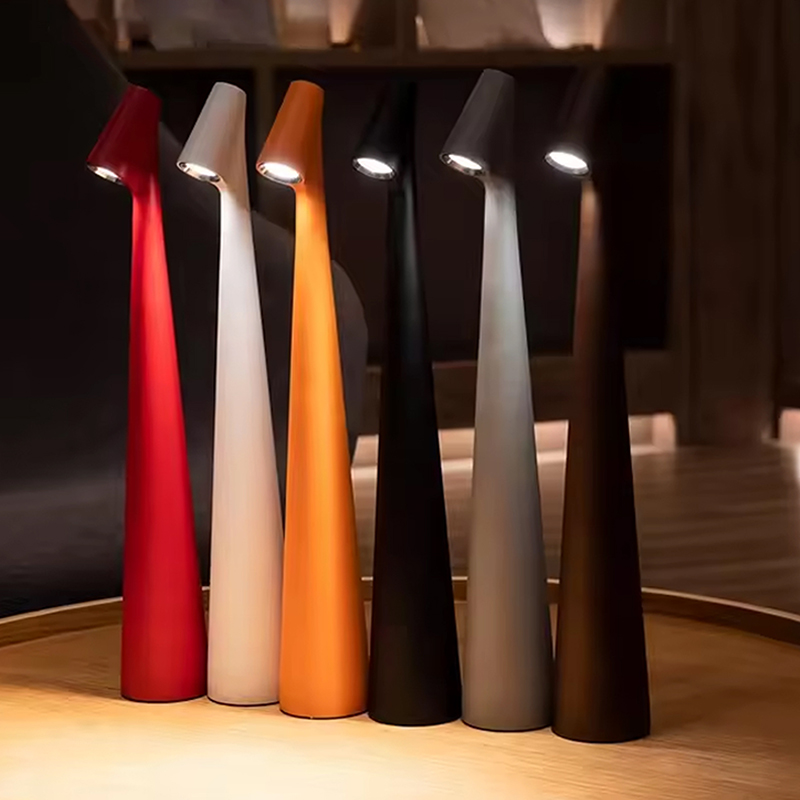
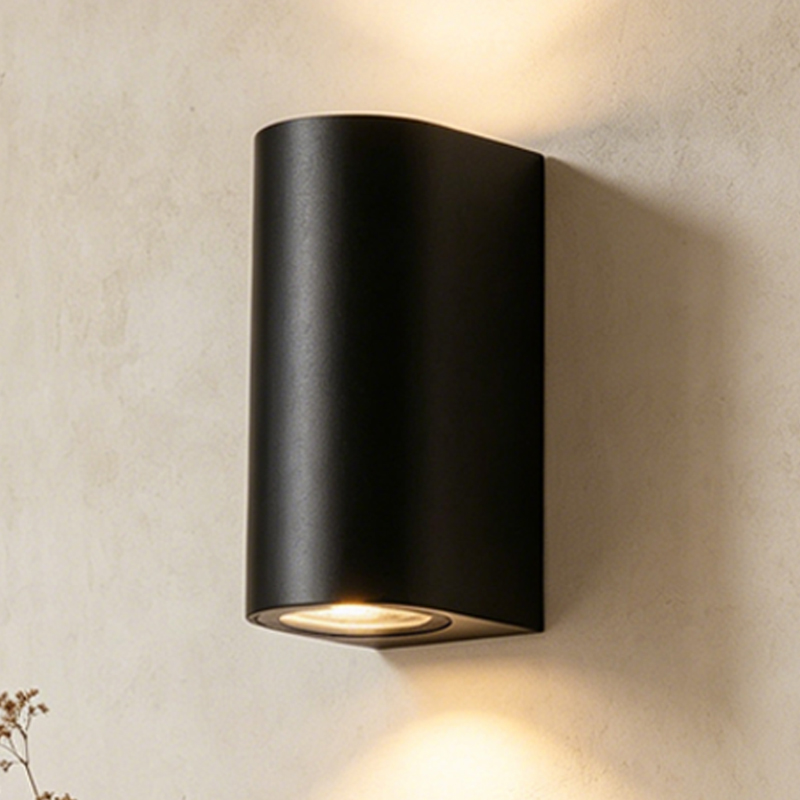
When selecting LED table lights, contractors and distributors should consider design variations, functionality, and  materials. Different designs—such as modern, classic, or minimalist—can cater to diverse customer preferences and application needs.

Material selection is critical. Common materials include metal,  plastic, and glass. Metal frames  offer  durability and a modern  aesthetic, while  glass can provide a more elegant look. Ensure that the materials chosen  are  suitable for the ambient conditions  where the lights will be installed, particularly regarding  moisture or heat exposure.

In terms of functionality,  assess whether the lights  come with additional features such as USB charging ports or integrated  smart technology. These features can enhance usability  and appeal  to tech-savvy consumers.

Moreover, consider the manufacturing capabilities  of potential  suppliers. iGUANGZHOU I-ESSENCE ELECTRIC CO., LTD. has a reputation for producing high-quality,  compliant lighting solutions, providing you with confidence  in reliability and performance.


Installation Guidance for LED Table Lights in Various Applications

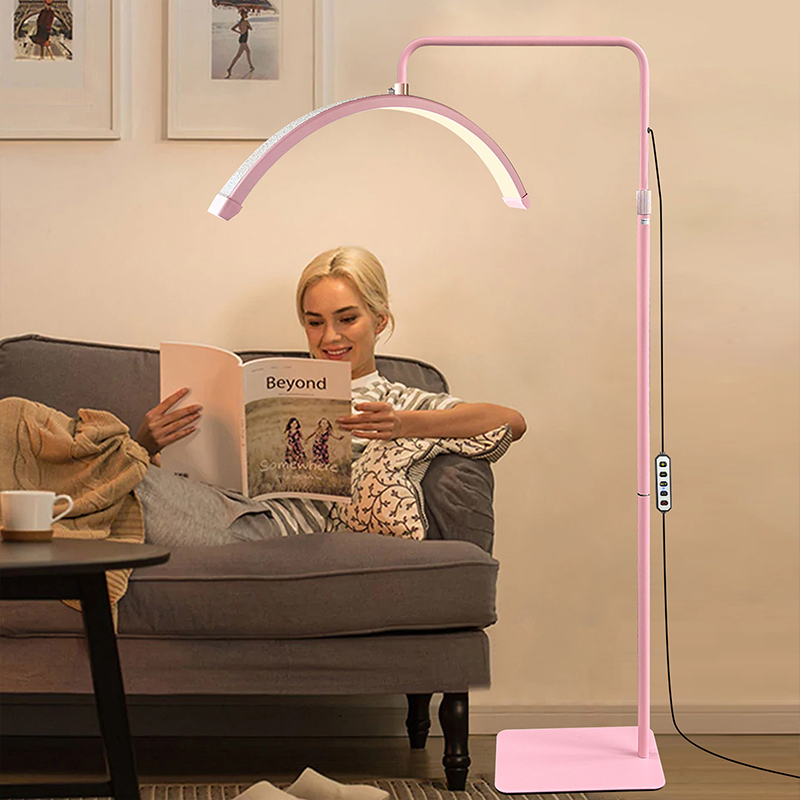
Installing LED table lights can vary significantly depending on the  intended application. For instance, in residential settings, ensure that the light is  positioned for optimal effect—typically, table lights should  be  placed to provide direct illumination  without glare. 

For commercial applications, such as  in restaurants or offices, consider the layout and spacing between lights. A general rule of  thumb is to  space table lights about 4  to 6  feet apart to ensure even lighting distribution.

If the LED table light is adjustable or has multiple settings,  ensure that installation allows for ease of  access  to switches or remote controls. For permanent installations, check that electrical  connections comply with local  codes and standards.

Additionally, consider the  power source. If  the lights are plug-in, ensure access to outlets is  accounted for.  If they are hardwired, working with a licensed electrician may be necessary to ensure safe installation.

Cost Factors to Consider When Sourcing LED Table Lights

The cost of LED table lights  can fluctuate  based on various factors. First, consider the initial purchase price, which can vary  based on design, materials, and features. Higher-end designs or those with  additional  functionalities, such as smart technology, will typically  cost more.

Minimum Order Quantities (MOQ) can also impact total costs. Manufacturers often establish MOQs based on their production  capabilities. Understanding these requirements can help distributors negotiate better pricing and manage inventory  effectively.

Shipping costs are  another critical factor, particularly  for international  orders. Evaluate shipping  methods  and associated  fees, as these can significantly impact the total cost. Additionally,  consider lead times,  which can  affect project timelines; longer lead times may necessitate bulk purchasing to avoid delays.

Lastly, factor in operating costs. While  LED table lights are energy-efficient, understanding their  energy consumption compared to traditional lighting options can provide insight into long-term  savings.

Maximizing Value for Project Purchasers

To maximize the value of LED table lights in a project, consider integrating  them into a broader lighting strategy. Assess how they  can complement other forms of lighting, such as ambient or task lighting, to enhance  overall functionality and aesthetics.

Additionally,  prioritize quality assurance  by  working with  reputable manufacturers like iGUANGZHOU I-ESSENCE ELECTRIC CO., LTD. Their certifications, such as CE and UL, indicate compliance with international safety  standards, ensuring product reliability. 

When preparing for a Request for Quotation (RFQ),  provide  detailed specifications including model, material, dimensions, and  required performance. This clarity ensures that suppliers can deliver accurate quotes and minimize the risk  of miscommunication.

Lastly, consider customization options. Many manufacturers can tailor designs or specifications  to meet  specific  project requirements, providing added value and differentiating your offerings in the market.

By following these guidelines, you can confidently select and  source LED table  lights that  meet your project's needs, ensuring quality and satisfaction for your  clients.

How to Evaluate LED Table Light Specifications for Importers

When sourcing LED table lights, several key  specifications are vital to assess. Start with lumen output,  which indicates brightness; higher lumens mean brighter light. For environments requiring focused lighting, such as workspaces, aim for at least 800 lumens.

Next, consider color  temperature, measured in Kelvin  (K). A range of  2700K to 3000K provides  warm light suitable for dining or relaxation, while 4000K to  5000K offers a cooler,  more energizing light for work environments. Ensure the color temperature aligns with the intended  application.

Power consumption, measured in watts, is  another crucial  specification. LED lights are known for energy efficiency, typically consuming 6-12 watts for equivalent  brightness to  traditional  incandescent bulbs. Understanding this metric can help  importers assess  long-term  operational costs.

Finally, evaluate dimming capabilities and lifetime ratings. Many LED table lights offer adjustable brightness, enhancing their  versatility. A longer lifetime  rating, generally around 25,000 hours, means reduced replacement frequency and lower maintenance costs.


Frequently Asked Questions

What are the key features of this LED table light?

Energy-efficient LED modules, adjustable brightness, long lifespan, compact design, and multiple mounting or tabletop options suitable for home and retail environments.
Yes. The product is manufactured under CE/UL/ERP standards with TUV and BSCI management systems to meet global retail compliance.
Typical LED lifespan is 25,000–50,000 hours depending on usage and environment. Proper use and ventilation extend operational life.
We provide warranty coverage and after-sales support through our service channels. Contact customer service with model and purchase details for assistance.
Yes. The light offers stable, flicker-free illumination with adjustable brightness suitable for reading, study, and office tasks.

Get a Free Quote

Our representative will contact you soon.
0/1000