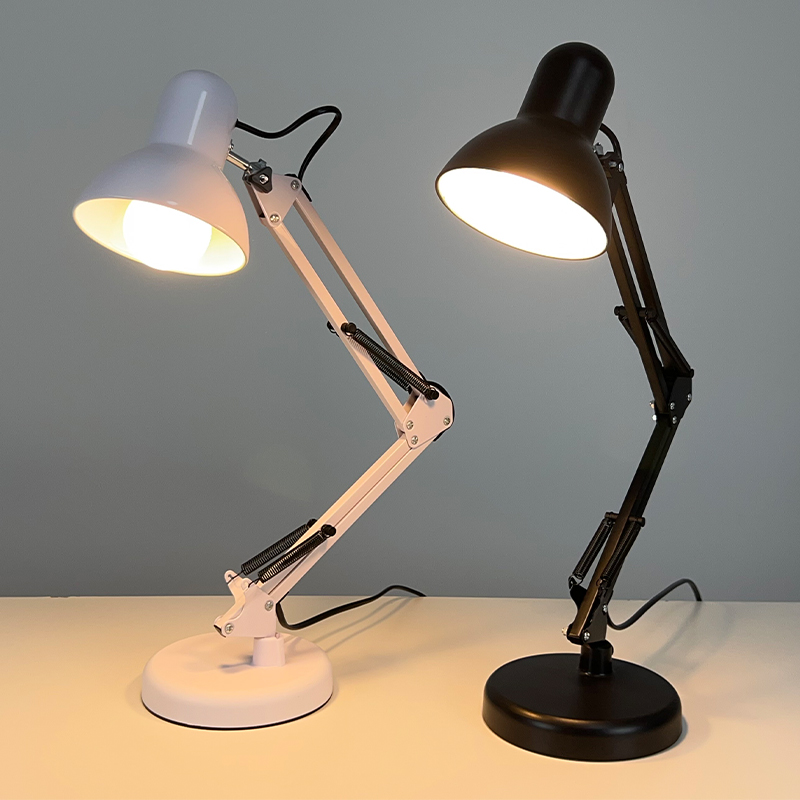
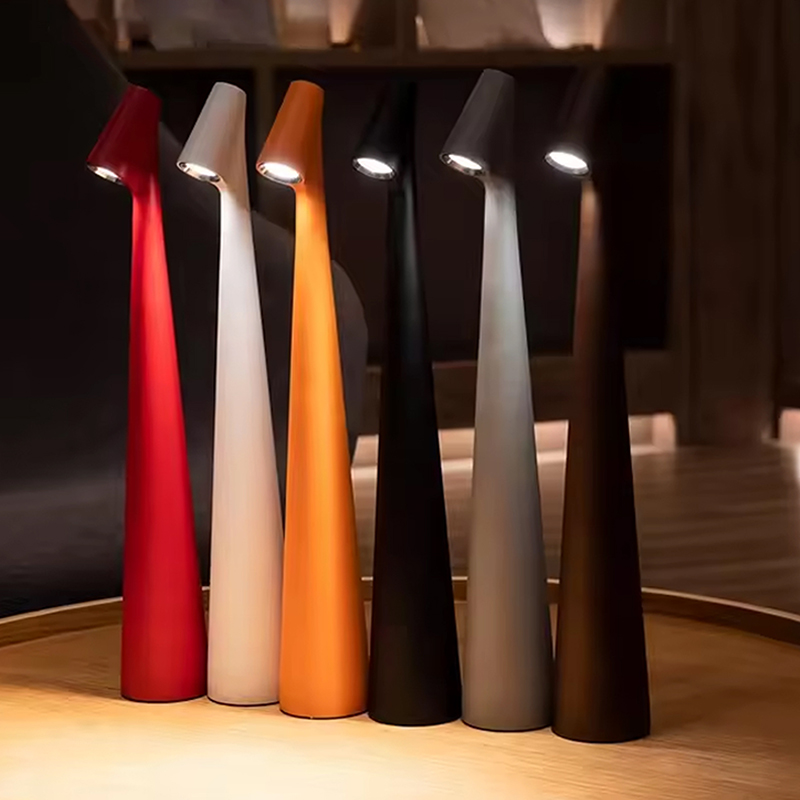
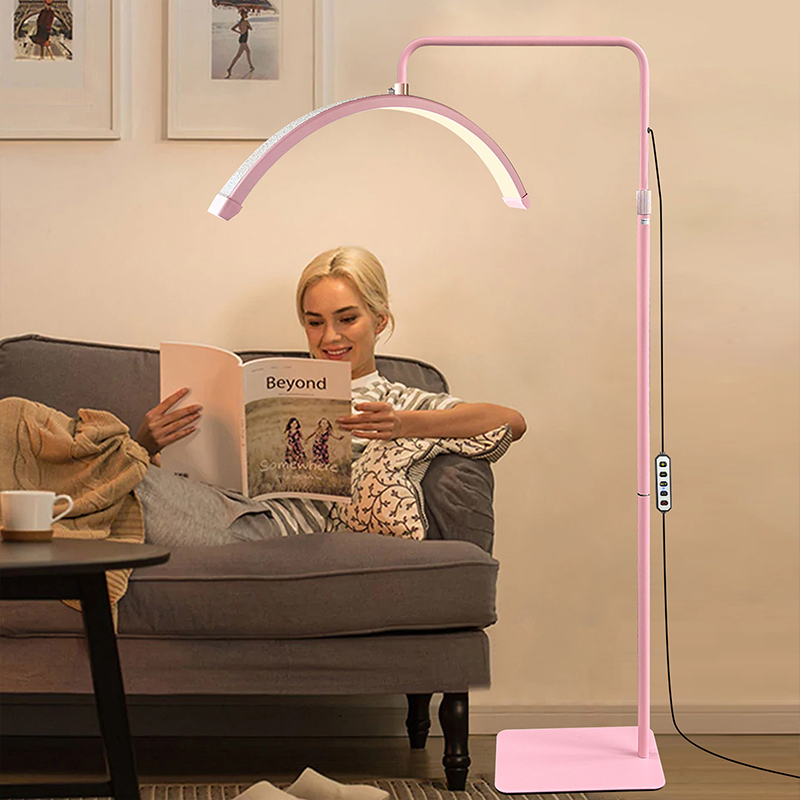
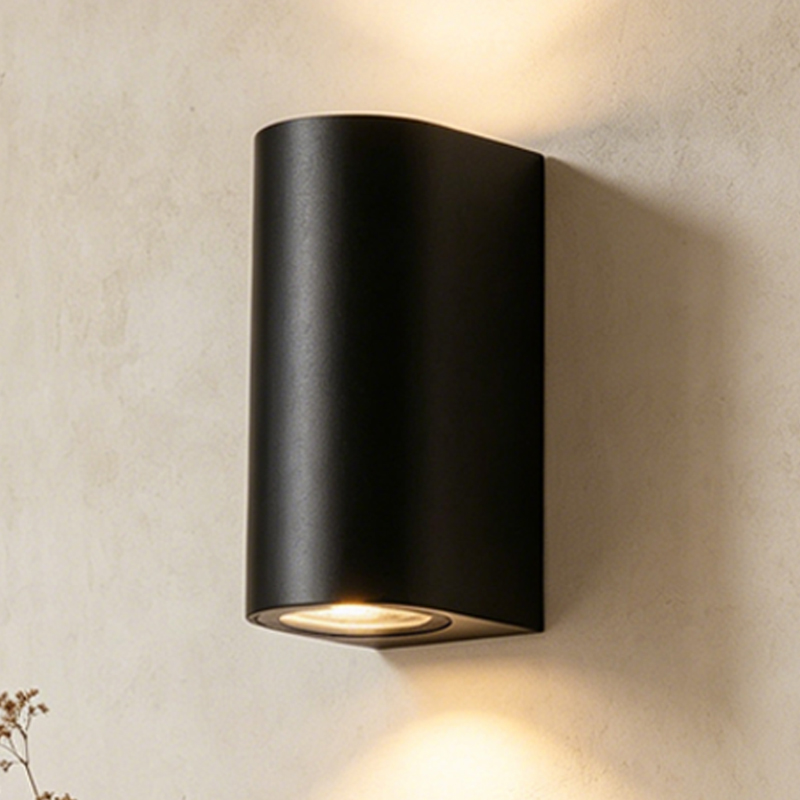
Key Specifications for Wall Light Fixtures

application/wall-light-fixture, application/wall-light-fixture, 
Inquiry
Inquiry

wall light fixture

Wall light  fixtures  are essential  components in both  residential and  commercial  spaces, providing functional illumination  while enhancing aesthetic appeal. For  purchasing managers, distributors,  and business buyers, understanding the intricacies  of these fixtures  is crucial for making informed  decisions. This article will delve  into  key  specifications, sourcing options, cost factors, common  issues, and material  advantages associated with wall light fixtures,  helping you navigate the complexities  of  wholesale purchasing.

Where to Source High-Quality Wall Light Fixtures for Bulk Orders

Sourcing high-quality wall light  fixtures for  bulk orders can significantly impact your  business's  reputation and operational efficiency.  Start  by identifying reputable manufacturers with proven track records,  such as  iGUANGZHOU I-ESSENCE ELECTRIC CO., LTD.,  known for producing compliant lighting solutions with CE/UL/ERP certifications. Additionally, consider exploring innovative options like Solar Street Light to diversify your product offerings.

Consider attending industry trade shows or exhibitions where manufacturers showcase  their  latest  products. This provides an  opportunity to inspect the quality firsthand and establish relationships  with  suppliers. Online platforms,  such as B2B marketplaces, can also be effective, but ensure to vet suppliers thoroughly by  checking reviews and requesting samples.

Collaborating with manufacturers that offer custom  solutions can enhance your product offerings. Discuss your specific requirements,  such as  design modifications, packaging options, or unique features, to meet your customers' demands effectively. You might also want to look into options like Solar Patio Light for outdoor settings.

Cost Factors to Consider When Purchasing Wall Light Fixtures

Understanding the various cost factors is essential when purchasing wall light fixtures. The initial price of the fixture  often reflects its quality, materials  used, and brand  reputation.  However, consider  the total cost of ownership, which includes installation, operation, and maintenance costs  over the product's lifespan.

Material selection can significantly influence the price. For instance, fixtures made from durable metals  or high-grade  plastics may  cost  more upfront  but offer better longevity and lower  maintenance costs. Additionally, customization requests, such as specific finishes or unique designs, can  increase costs but may be justified by higher market value.

Another crucial factor is the Minimum  Order Quantity (MOQ), which  can vary between manufacturers. Larger orders  often come with  discounts, but ensure that your inventory turnover can support this. Lastly, factor in potential shipping costs  and lead times, as these can  impact your overall budget and project  timelines.

Common Problems with Wall Light Fixtures and Effective Solutions

While wall  light fixtures are generally reliable, common issues  may arise during their lifecycle. One  frequent problem is inconsistent brightness, which can be caused by  poor-quality  electrical components  or improper installation. To mitigate this, ensure your supplier  uses high-quality components and provides clear installation guidelines.

Overheating  is another concern, particularly  in  fixtures with inadequate  ventilation.  Buyers should confirm that the  fixtures have proper heat dissipation features, reducing  the risk of failure or fire hazards. If overheating is observed, it may be necessary  to reassess the wattage used or the fixture's placement.

Physical damage  during transportation can  also pose a challenge. Implement  robust packaging methods  that prevent damage during shipping. Request samples  and review packaging designs before placing bulk orders to ensure the integrity of the products upon arrival.

The Advantages of Different Materials Used in Wall Light Fixtures

The choice of material in wall  light fixtures can significantly affect their performance, durability, and aesthetic appeal. Common materials  include metal, plastic, and glass, each offering distinct advantages.

Metal fixtures, such as those made from aluminum or steel,  are renowned for their strength and longevity. They can withstand harsh environments, making  them ideal for commercial applications. Additionally, metal  fixtures  can  be treated  for corrosion resistance, enhancing their lifespan.

Plastic fixtures are often lighter and more cost-effective, making them suitable  for residential  applications or temporary installations. They can be designed in various colors and shapes, allowing  for greater design flexibility. However, it is essential  to  ensure that the plastic used  is UV resistant to prevent fading over time.

Glass fixtures  provide  elegance and enhance  light diffusion, creating a pleasant ambiance. However, they can be more fragile, which  necessitates careful handling and transportation. Buyers should  evaluate the application environment and choose materials that align with both aesthetic desires and durability requirements.

By understanding  these specifications and considerations, buyers can make informed decisions when sourcing wall light fixtures, ensuring they meet their operational needs while maintaining quality and compliance.

Key Specifications to Evaluate in Wall Light Fixtures for Wholesale

When evaluating wall light  fixtures, several specifications are critical to ensure they  meet your application needs.  First,  consider the lumens output, which indicates the brightness of the fixture.  A higher lumen  count is essential  for spaces requiring intense illumination, such as in commercial settings.

Next, wattage plays a crucial role in energy consumption. Lower wattage may reduce energy  costs but ensure  it still provides the necessary brightness for  your intended application. Color  temperature, measured in Kelvins (K), affects the ambiance; warmer colors (around 2700K) are  suited for cozy environments, while cooler colors (5000K and  above) are better for  task-oriented spaces.

Dimensions and  mounting types are also essential. Ensure the fixture's size complements the space and that  the mounting method is compatible with your installation needs. Lastly, verify the certifications  such as CE and UL, which ensure  compliance with safety and performance  standards, especially if the fixture will be exported to regions  with strict regulations.

Frequently Asked Questions

What types of wall light fixtures do you offer?

We manufacture a range of wall light fixtures including indoor LED sconces, adjustable reading lights, decorative wall lamps, and energy-efficient commercial units for residential and retail applications.
Yes. Our wall fixtures meet CE, UL, and ERP standards and are produced under TUV and BSCI management systems to ensure safety and regulatory compliance.
Yes. Our fixtures are designed for both residential and commercial use and meet retail requirements, making them suitable for stores, offices, and public spaces.
Yes. We support customization on finishes, sizes, and light outputs, and handle bulk production runs for retailers with quality control and compliant certifications.
We provide product warranty and after-sales support through our service team. Warranty terms vary by model; contact us for specific coverage, replacement, or repair procedures.

Get a Free Quote

Our representative will contact you soon.
0/1000