Choosing the Right Table Light for Wholesale Purchases

application/table-light, application/table-light, 
Inquiry
Inquiry

table light

Choosing  the right table light  for your  business  can significantly impact  both functionality and  aesthetics within your workspace or  retail environment. As a B2B  buyer,  you  may be concerned  with aspects such as compliance, quality, and pricing  when  evaluating table  light options. This article will  guide  you through the  essential considerations for selecting table lights,  from specifications to quality control, helping you  make informed wholesale purchasing  decisions.

Key Specifications to Evaluate in Table Light Products

When assessing table lights, various specifications need to be evaluated to ensure suitability for your application:

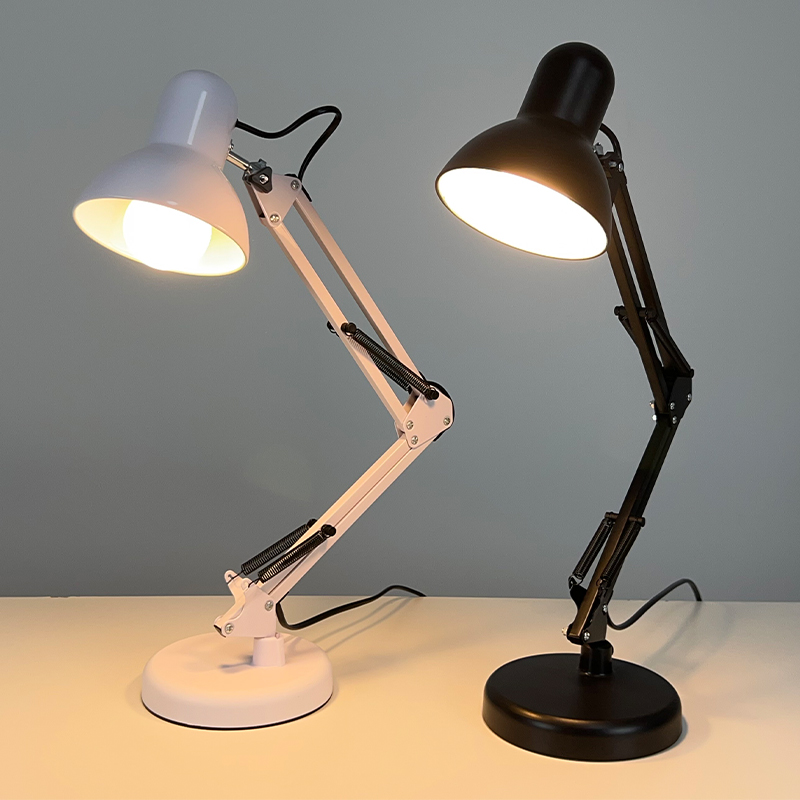
Material: The material used  in manufacturing the table light influences  durability and design.  Common materials include metal, plastic, and glass. Each has its advantages, for instance, metal may offer a more industrial look and durability,  while plastic can be lightweight and versatile.

Power  Consumption: Look for energy-efficient  options, such as LED table lights, which consume less power  and result in lower operating costs. Understanding wattage  and energy ratings can help you choose products that align with sustainability goals.

Dimensions: The size and shape of the table light should fit the intended space well. This includes evaluating height, width, and base stability to prevent tipping. 

Light Output:  Measured in lumens, this indicates how  bright the light  will be. A higher lumen rating is essential for workspaces requiring visibility, while  lower lumens may suffice for ambient lighting in retail  settings.


Certifications:  Ensure that  the table lights comply with international safety  and performance standards, such as CE, UL, or ERP certifications. Compliance  guarantees  that the products meet specific quality and safety requirements.

How to Compare Table Lights for Your Import Business

To effectively compare  table lights for your import business, create a checklist that outlines essential  criteria. This  checklist  should include:

Pricing: Evaluate the unit price in relation to  the quality and specifications offered. Lower prices may not always equate to a better deal if quality  suffers.

Minimum Order Quantity (MOQ): Understand the supplier's  MOQ, as this can impact your  overall budget and inventory planning. Some suppliers may offer flexibility on MOQs for bulk orders.

Lead Time: Inquire about the production and shipping  lead  times. Efficient suppliers will provide realistic timelines and meet  deadlines, crucial for maintaining your supply chain.

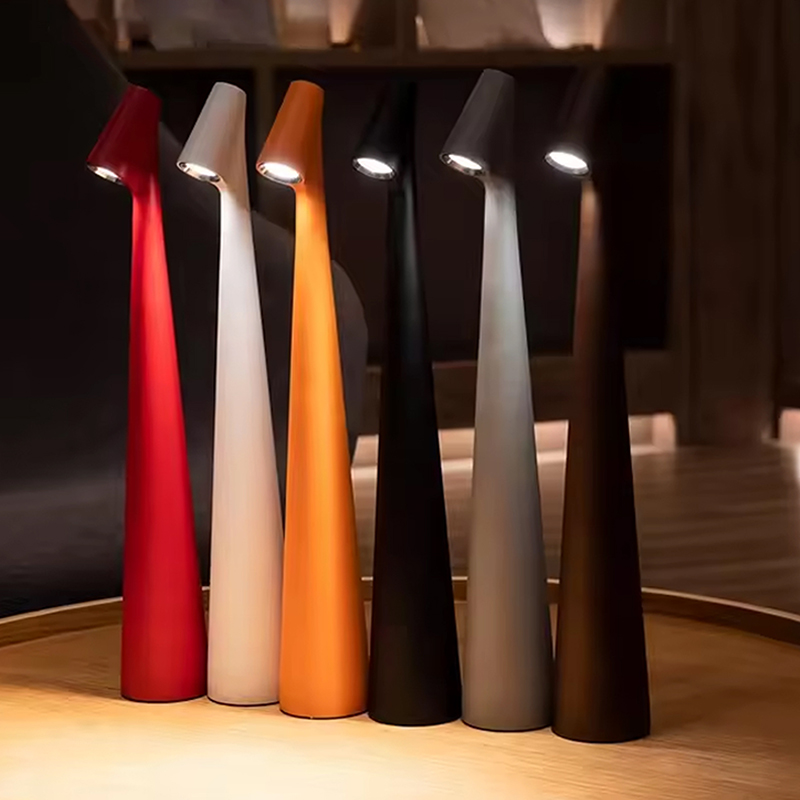
Customization Options: Ask about  available customization options, such as colors, designs, and features. This can enhance your product  offerings and cater  to  specific market demands.

Warranty and Support: Evaluate the warranty period and  after-sales support. A longer warranty  can  indicate  the manufacturer's confidence in their product quality.

By systematically comparing these factors, you can make well-informed decisions that align with your business  objectives.

Understanding the Quality Control of Table Light Manufacturing

Quality control is a critical aspect of  table light manufacturing that  ensures products meet established standards before reaching the market. Here are key  steps typically involved in  the quality control  process:

Material  Inspection:  Before production,  raw materials undergo inspection for defects and compliance with specifications.  This ensures that only high-quality materials are used in the manufacturing process.

In-Process Checks: During production, regular checks are conducted to monitor assembly, electrical connections, and overall build quality.  This helps catch any issues early, reducing waste and rework.

Final  Testing: After assembly, table lights  should undergo rigorous  testing,  including safety tests, light  output checks, and durability assessments. This step verifies that the products function correctly and meet  safety standards.

Certification Compliance: Manufacturers must ensure that their products are tested and certified by recognized authorities (e.g., TUV,  CE) to ensure compliance with safety and performance standards.

Sample Approval: Before mass production, buyers should always request a sample for approval. This allows for verification of all specifications and ensures that  the  final product aligns with expectations.

By understanding these processes, buyers can better assess potential  suppliers and their commitment to quality.

Common Problems with Table Lights and Effective Solutions

Despite the best quality control measures, some  common problems with  table  lights may arise:

Flickering or Inconsistent Lighting: This can occur  due  to poor connections or incompatible dimming systems. Buyers should check  connection integrity and compatibility with  existing systems during installation.

Overheating: Some table lights may overheat,  particularly if they're not designed for prolonged use. Ensure that  the product specifications indicate suitable  usage conditions and heat dissipation capabilities.

Short Lifespan: Low-quality components can lead to a shorter  operational lifespan. Buyers should prioritize products from reputable manufacturers who use high-grade  materials and components.

Design Flaws: Flaws in design, such as unstable bases or poor lighting distribution, can affect usability.  Conducting thorough inspections of samples and gathering user feedback can help  identify these issues  early.

By addressing these issues proactively, buyers can minimize disruptions and enhance customer satisfaction with their  lighting solutions. Consider incorporating options like Solar Flood Light to diversify your offerings.

When  engaging with suppliers, ensure open communication regarding  any  concerns or specific  requirements to foster a successful partnership.

Choosing the Right Table Light for Wholesale Purchases

Selecting the right table light  for  wholesale purchases involves understanding your specific needs and  the applications of the lighting. Key considerations include the intended use (e.g., office, retail, or residential),  the required brightness level (measured in lumens), and energy efficiency  ratings. It's also important to consider the design and aesthetic appeal, as this can  influence  customer  perception and  enhance  the overall ambiance  of the space. Additionally, options like Solar Lamp can provide unique lighting solutions.

Buyers should also think about the adaptability of the table  lights.  For instance, will they be used in  various settings? Adjustable features,  such as brightness levels and  color temperature, can  offer flexibility for different environments. Additionally, consider  the supplier's ability to meet customization requests, such as unique  designs or color finishes, which can  help your brand stand out. You might also explore options for Solar Patio Light if outdoor settings are a consideration.

Frequently Asked Questions

What types of table lights do you manufacture?

We produce adjustable desk and table lamps with LED, dimming, and multiple color temperature options suitable for home and commercial use.
Yes. Our table lights carry CE, UL, and ERP certifications and are manufactured under TUV/BSCI-compliant management systems.
We offer a manufacturer warranty and dedicated after-sales support for defects and guidance on installation, typically handled through your retailer or direct contact.
Yes. We provide customization for specifications, packaging, and branding to meet retailer requirements and compliance standards.
Yes. Our LED table lights are designed to meet ERP energy efficiency requirements and provide long lifespan with low power consumption.

Get a Free Quote

Our representative will contact you soon.
0/1000