Wholesale Indoor Wall Lights for B2B Buyers

application/wall-lights-indoor, application/wall-lights-indoor, 
Inquiry
Inquiry

wall lights indoor

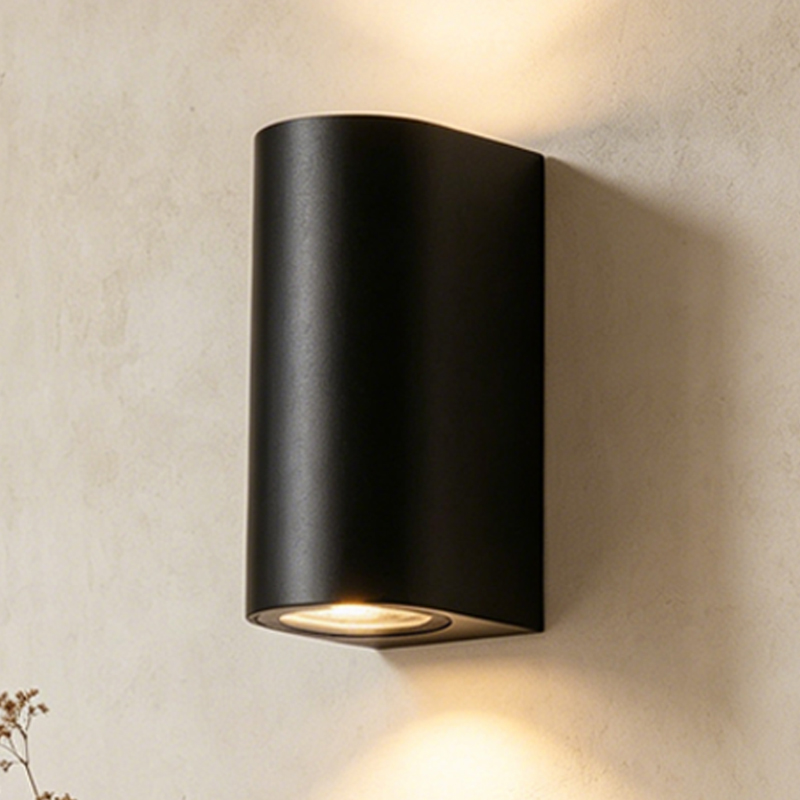
Indoor wall lights  are essential  components in both residential and  commercial spaces, providing  illumination  and  enhancing aesthetics.  For B2B  buyers, such  as  purchasing  managers and engineers,  understanding the  intricacies of wall lights indoor is crucial for making informed decisions.  This article will  address  key factors regarding wholesale options, specifications, common issues, applications, and  what  to look  for in manufacturers, helping buyers navigate the complexities  of indoor wall light procurement.

Key Specifications to Consider for Indoor Wall Lights

Understanding key specifications  is critical when  selecting indoor wall lights. Here  are some important  aspects:

Lumens and Wattage: Lumens measure brightness, while wattage  indicates energy consumption. A  high  lumen output  with low wattage  is ideal for  energy efficiency.

Material Quality: Common materials include aluminum, glass, and plastics. The choice will affect durability, aesthetic appeal, and heat dissipation, influencing overall performance.

Dimensions: The size  and  shape of the wall light must be appropriate for the intended space.  Buyers should assess mounting height and nearby furnishings to ensure  proper integration into the environment.

Voltage Ratings: Ensure the wall lights are compatible with the voltage available in the installation area to avoid operational  issues.

Certifications: Look for products with recognized certifications, such as CE, UL, and ERP, which  indicate compliance with safety and efficiency standards.

By confirming these specifications, purchasing managers can ensure that the indoor  wall lights meet both  functional and aesthetic requirements.

Common Problems with Indoor Wall Lights and Effective Solutions

Despite  their functionality, indoor wall lights can present several common  issues.  Recognizing  these  can  help buyers avoid potential  pitfalls:

Flickering Lights: This  can be attributed to poor  electrical connections or incompatible dimmer switches. Ensuring quality wiring and compatibility with existing fixtures can mitigate this issue.

Overheating: If wall  lights are not designed with adequate heat dissipation features,  they  can overheat, leading to shortened lifespan  or  safety hazards. Buyers should verify that the materials and design allow for proper ventilation.

Inconsistent Brightness: Variations in brightness can arise from poor-quality components. It's advisable to request samples for testing under actual usage conditions before placing bulk orders.

Difficult Installation: Complex installation processes can lead to increased labor costs.  Manufacturers should provide clear installation instructions and compatible mounting  hardware.

By being aware of these issues,  purchasing managers can make better decisions and select products that minimize  operational challenges.

Applications of Indoor Wall Lights in Various Settings

Indoor wall lights have versatile applications across different settings.  Their  placement and  design can significantly impact functionality and ambiance:

Residential  Spaces: In homes, wall lights can enhance decor in living rooms, hallways, and bedrooms. Dimmable options allow  for mood lighting, which is increasingly popular in  modern interior design.

Commercial Environments: Retailers and offices utilize wall lights to  create welcoming atmospheres. Adjustable fixtures can spotlight merchandise or artwork, enhancing customer experience.

Hospitality: Hotels often employ wall lights  in corridors and  guest rooms  to create a comfortable and  inviting atmosphere. Energy-efficient models can help reduce operational costs, similar to options like Solar Patio Light.

Healthcare Facilities: In clinics and hospitals,  wall lights must provide  adequate  illumination without being harsh.  Solutions that reduce glare and promote a calming  environment are essential.

Understanding the specific application needs allows  buyers to select wall lights that fulfill both aesthetic and functional roles effectively.

What to Look for in Indoor Wall Light Manufacturers

Choosing the right  manufacturer is crucial for  ensuring product quality and reliability. Here are key considerations:

Certifications and  Compliance: Verify that the manufacturer holds relevant certifications, such  as CE and UL, to  ensure the products  meet safety and efficiency standards.

Quality Control Processes: A robust quality management system  should be in place. This includes regular inspections and testing  during production to minimize defects.

Customization Capabilities: Assess the manufacturer’s ability  to meet specific design and performance requirements. Custom options can provide a competitive edge in the  market.

Production Capacity: Ensure the manufacturer can meet your volume needs  without compromising lead times. Understanding their production capabilities can help in  planning inventory.

Reputation and Experience: Research  the manufacturer's history and  client testimonials. A well-established  company with a  positive track record is likely  to deliver consistent  quality.

By focusing on these  factors, B2B buyers can forge  partnerships with manufacturers that enhance their product offerings and meet customer expectations effectively.

Wholesale Options for High-Quality Indoor Wall Lights

When  sourcing indoor wall lights,  wholesale options  are vital  for companies looking to  purchase in bulk. Manufacturers like iGUANGZHOU I-ESSENCE  ELECTRIC CO., LTD. offer a variety of  models, including energy-efficient designs suitable for compliance  with international standards such as CE and UL.  Buyers can often negotiate pricing based on order quantity, which can significantly affect their cost  structure. Additionally, considering options such as Solar Lamp can provide excellent alternatives for energy-efficient lighting solutions.

It’s essential  to evaluate the minimum order quantity (MOQ) set by manufacturers. A  lower MOQ  can be  advantageous for  smaller retailers or projects, allowing flexibility in inventory  management. Additionally, consider the customization capabilities of the manufacturer. Options for custom designs,  colors, and finishes  can cater  to specific market  demands and enhance brand differentiation.

Frequently Asked Questions

What indoor spaces are these wall lights suitable for?

Our wall lights are ideal for living rooms, bedrooms, hallways, offices, and hospitality spaces, providing ambient, task, or accent lighting depending on model and placement.
Yes. We manufacture wall lights with CE, UL, and ERP compliance, and follow TUV/BSCI management to meet global retailer and safety requirements.
Yes. Many models offer adjustable color temperatures and dimmable options. Check the product specifications for available lumens, kelvin ranges, and compatible dimmers.
We offer a range of materials such as metal and glass with finishes like matte, brushed, and polished to suit modern and classic interiors.
Yes. Each unit includes installation guides and wiring diagrams. We also provide warranty information; specific terms vary by model—contact us for details.

Get a Free Quote

Our representative will contact you soon.
0/1000